
Ciril Zlobec — Slovene poet, editor and political figure
Slovene poet, writer, translator and journalist (1925–2018), editor of Sodobnost and member of Slovenia's Presidency in 1990; a leading voice of the postwar intimate lyric and public cultural life.
Ciril Zlobec (4 July 1925 – 24 August 2018) was a central figure in Slovenian literature and cultural life across the second half of the 20th century. He gained recognition first as a poet belonging to the postwar generation that renewed Slovene lyric poetry, and later as an editor, translator, journalist and public intellectual. His career bridged artistic creation and cultural institution-building at a time when Slovenia was negotiating modern identity within the former Yugoslavia and then as an independent state.
Image gallery
3 Images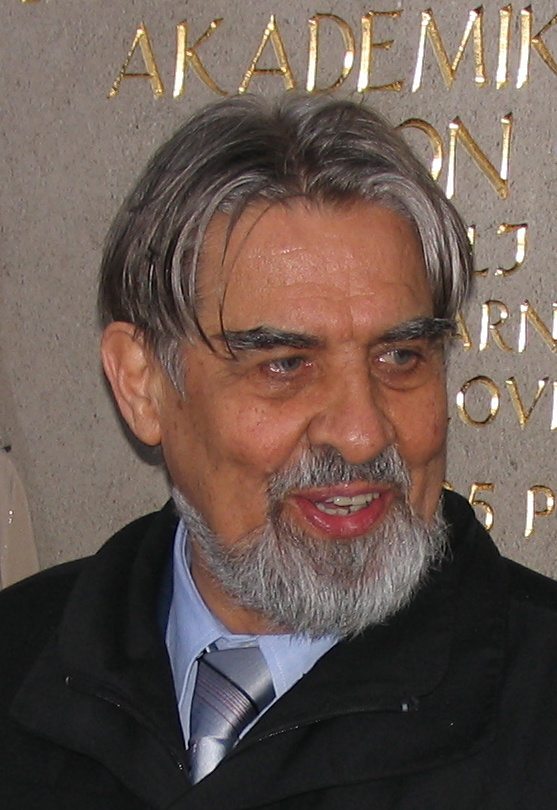


Literary work and themes
Zlobec's poetry is often described as intimate and lyrical, attentive to personal memory, everyday experience and the ties of language and place. He was one of the contributors to the influential 1953 almanac Pesmi štirih ("Poems of the Four"), which marked a shift toward more personal, lyrical voices in Slovene poetry. Over decades he published several volumes of verse and also worked as a translator, bringing foreign poetry and prose into Slovene. Critics note his clear diction, emotional restraint and recurring interests in love, loss, and the moral responsibilities of the writer.
Editor, journalist and politician
Beyond writing, Zlobec shaped public debate as an editor and journalist. In the 1970s and 1980s he served as editor of the cultural and intellectual journal Sodobnost, a platform for literary, philosophical and cultural exchange. His editorial work helped sustain a space for critical reflection during politically complex decades. In 1990, a pivotal year for Slovenia's independence movement, he was appointed as a member of the collective Presidency of Slovenia, placing him at the intersection of culture and politics during a historic transition.
His professional roles included:
- Poet and essayist, author of multiple poetry collections.
- Editor of influential literary periodicals, notably Sodobnost.
- Translator of poetry and prose into Slovene.
- Public servant and member of the national Presidency in 1990.
Zlobec's death in August 2018 at age 93 prompted reflection on a long life devoted to letters and civic engagement. His work remains read in Slovenia for its clarity of voice and its example of a writer who combined artistic practice with editorial leadership and public responsibility. For further biographical detail and selections of his poetry, see more information.
Related articles
Author
AlegsaOnline.com Ciril Zlobec — Slovene poet, editor and political figure Leandro Alegsa
URL: https://en.alegsaonline.com/art/20472
Sources
- drustvo-dsp.si : "Slovene Writers' Association site"
- slovenskapomlad.si : Slovenska Pomlad (Slovenian Spring) site, National Museum of Contemporary History
- english.sta.si : "STA: Poet Ciril Zlobec dies, aged 93"