
Cirilo Bautista: Filipino Poet, Novelist, Critic and National Artist
Biography and overview of Cirilo Bautista (1941–2018), a major figure in Philippine literature known for bilingual poetry, formal innovation, criticism, and mentorship; National Artist, 2014.
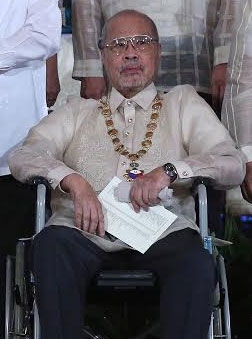
Overview
Cirilo F. Bautista (July 9, 1941 – May 6, 2018) was a leading figure in modern Philippine literature. A poet, fictionist, critic and essayist, he worked across English and Filipino (Tagalog) and built a reputation for technical skill, intellectual range and moral concern. He was born in Manila and over several decades became widely respected as a writer, editor and teacher. In 2014 the Philippine government named him a National Artist for Literature, a recognition of his lifetime contribution to the country’s letters.
Image gallery
2 Images

Major works
Bautista produced a substantial body of poetry, prose and criticism. His output mixes long-form narrative poems, compact lyrics and formal experiments. Notable titles include:
- Boneyard Breaking
- Sugat ng Salita
- The Archipelago
- Telex Moon
- Summer Suns
- Charts
- The Cave and Other Poems
- Kirot ng Kataga
- Bullets and Roses: The Poetry of Amado V. Hernandez (editor and critic)
- The novel Galaw ng Asoge (published by University of Santo Tomas Press, 2004)
Style and themes
Bautista's work is often described as intellectually dense and formally attentive. He wrote both in free verse and in metered forms, and he explored narrative, mythic and historical materials. Recurring themes include national identity, social justice, memory, faith and the ethics of language. As a critic and anthologist he combined scholarly rigour with advocacy, bringing attention to earlier Filipino writers while promoting new voices.
Career and influence
Over his career Bautista was active in literary circles as a mentor, teacher and editor. He received many of the Philippines’ major literary honors and influenced generations of poets and writers through workshops, essays and edited collections. His bilingual practice—moving between English and Filipino—helped shape discussions about language, readership and cultural expression in the latter half of the twentieth century.
Legacy
Cirilo Bautista died in Manila on May 6, 2018, from neuroendocrine cancer. His death was widely mourned in the Philippine arts community. Today his books remain taught and read for their formal variety, moral engagement and contribution to a modern Philippine poetic voice. Collections of his poems and his critical writings continue to serve as reference points for students and scholars of contemporary Filipino letters.
Tags
Related articles
Author
AlegsaOnline.com Cirilo Bautista: Filipino Poet, Novelist, Critic and National Artist Leandro Alegsa
URL: https://en.alegsaonline.com/art/20473
Sources
- lifestyle.mb.com.ph : National Artist Cirilo Bautista passes away at 76