
Chuuk State (formerly Truk) — islands of the Federated States of Micronesia
Chuuk is one of four states of the Federated States of Micronesia, centered on a large sheltered lagoon and known for dense island clusters, Chuukese culture, WWII wrecks and maritime resources.
Overview
Chuuk (formerly Truk) is a collection of islands and atolls in the western Pacific Ocean that form one of the four states of the Federated States of Micronesia. Located within the broader Caroline Islands region, Chuuk contains both a compact lagoon of closely grouped islands and a number of more distant outer atolls. It is the most populous of the FSM states and serves as an important cultural and economic center in Micronesia. The largest settlement and administrative center is Weno on the main lagoon islands.
Image gallery
9 Images




Geography and natural features
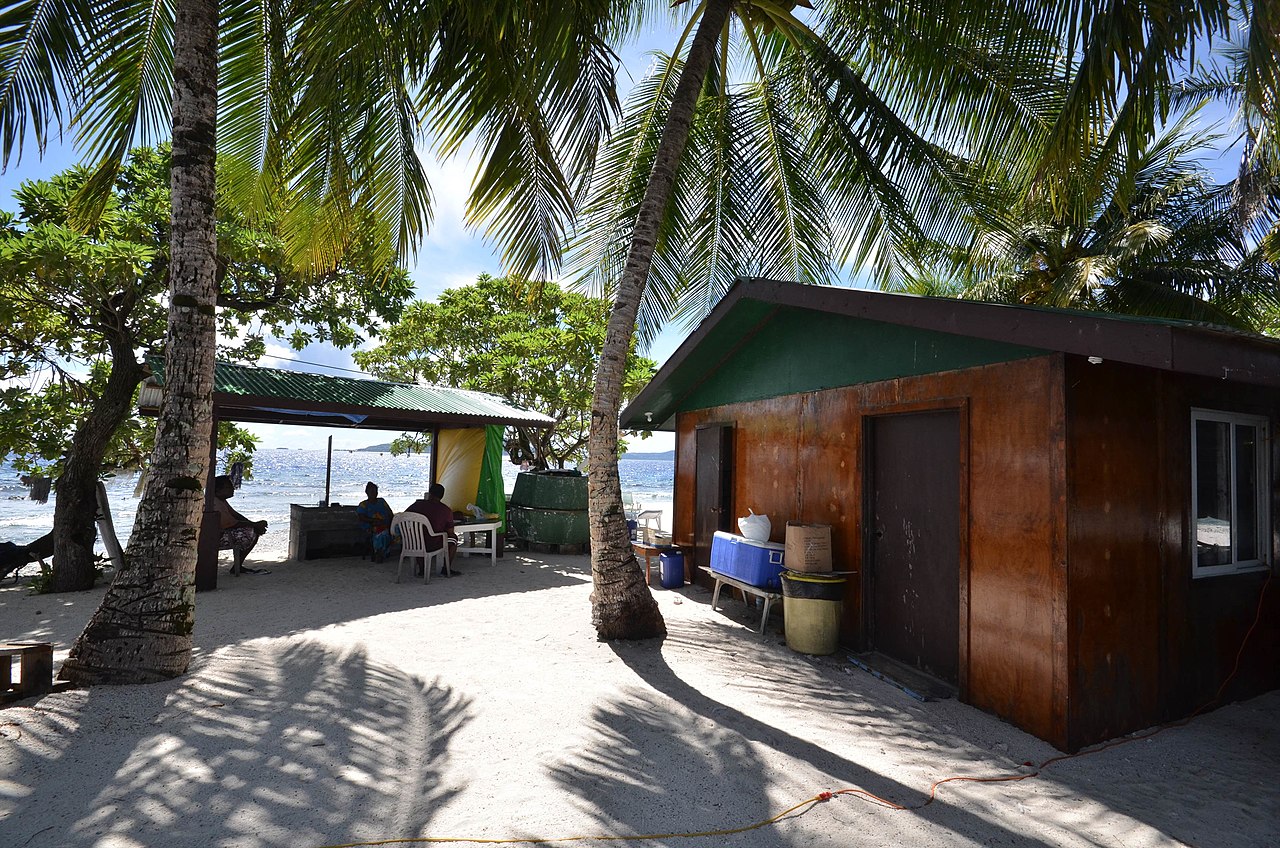
At the heart of Chuuk is a large, sheltered water body commonly called Chuuk Lagoon — a deep, protected basin ringed by volcanic islands and coral reefs. Inland terrain on the high islands is typically steep and tropical, with forested slopes and small streams. Beyond the lagoon lie scattered low atolls and reef islands that depend heavily on fishing and limited agriculture. The islands’ marine ecosystems include extensive coral reefs, seagrass beds and productive fishing grounds that sustain local communities.
History and development
Indigenous Micronesian peoples settled the islands centuries ago and developed distinct languages and customs, today referred to collectively as Chuukese culture. European contact and later colonial administrations — Spanish, German, Japanese and American — shaped modern political boundaries and infrastructure. During the Second World War the lagoon became a major Japanese naval base; many ships and aircraft were sunk there and remain as underwater wrecks, which are now of historical and ecological interest.
Culture, language and society
Chuukese language and customary practices remain central to social life, with extended family networks and traditional leadership structures continuing to influence everyday affairs. Subsistence activities such as taro cultivation, breadfruit, coconut processing (copra) and reef fishing are widespread, supplemented by wage labor, public services and remittances from relatives abroad. Education and health services vary across islands, with greater access on the main lagoon islands.
Economy, tourism and conservation
The local economy mixes subsistence livelihoods with small-scale commerce and public employment. Tourism is focused primarily on wreck and dive tourism in Chuuk Lagoon, attracting divers interested in WWII shipwrecks and rich marine life, while conservation efforts aim to balance visitation with reef protection. Climate change, sea-level rise and resource pressures are continuing challenges for the state.
Political status and relations
As a constituent state of the FSM, Chuuk participates in national government while retaining its own local administration and customary institutions. It maintains close cultural and practical ties with neighboring FSM states such as Pohnpei and Yap, and is part of the wider Pacific island network often referenced on regional pages like Pacific islands resources. Notable distinctions include its lagoon-centered geography and the concentration of underwater cultural heritage from the Second World War.
- Main settlement: Weno (administrative center)
- Language: Chuukese (with English widely used in government and education)
- Highlights: Chuuk Lagoon wrecks, coral reefs, traditional navigation and fishing
Related articles
Author
AlegsaOnline.com Chuuk State (formerly Truk) — islands of the Federated States of Micronesia Leandro Alegsa
URL: https://en.alegsaonline.com/art/20334