
Cicero, Illinois: history, character, and community
Cicero is an incorporated town and suburb of Chicago in Cook County, Illinois, known for its industrial past, dense residential neighborhoods, large immigrant communities, and 20th‑century historical associations.
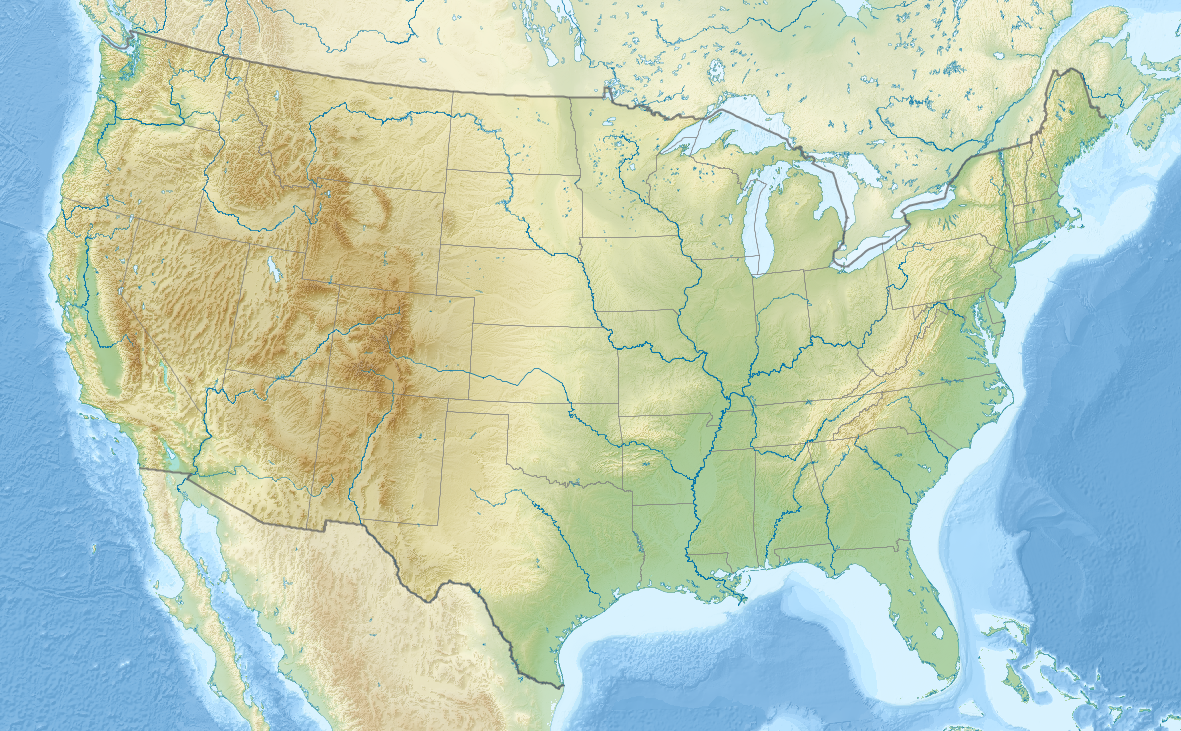
Cicero is an incorporated town and inner suburb of Chicago, located in Cook County, Illinois, United States. It was originally called Hawthorne and had a population of 83,895 at the 2010 census. The town sits immediately west of the Chicago city boundary and is part of the metropolitan area’s dense urban belt that transitions from central city blocks to older industrial neighborhoods.
Image gallery
10 Images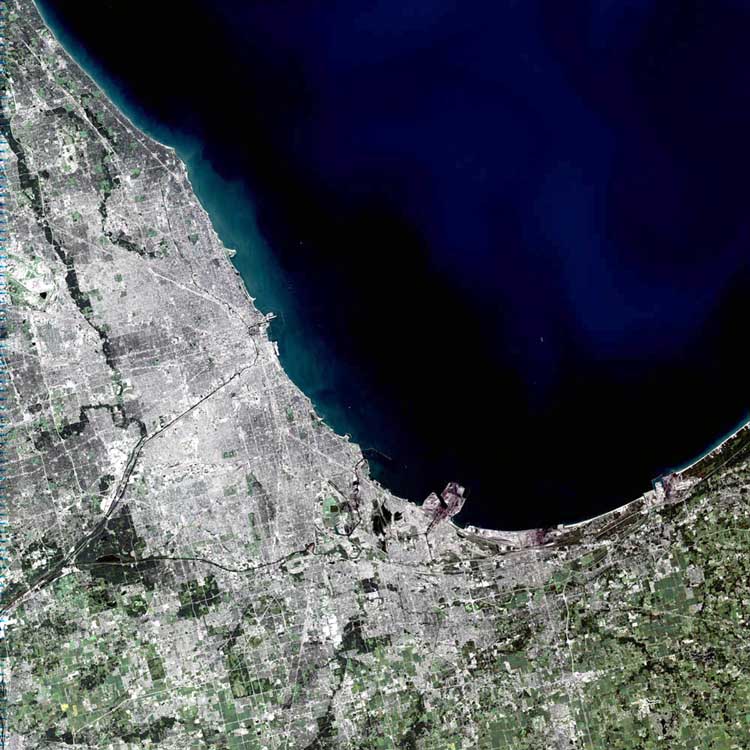



Name and origins
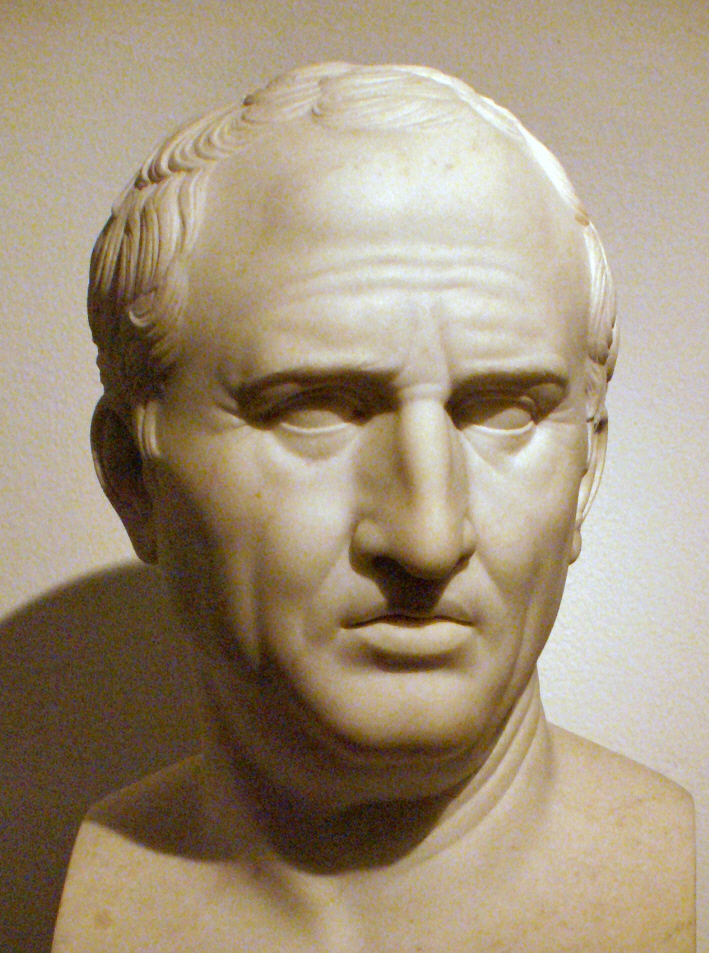
The community took the name Cicero in reference to Marcus Tullius Cicero, a prominent Roman statesman and orator. Early settlement and growth in the late 19th and early 20th centuries were tied to factory and railroad expansion in the region; the town evolved from small farms and estates into a built-up residential and industrial borough as Chicago’s economy expanded.
Historical development
During the 20th century Cicero hosted a range of manufacturing and wholesale businesses that provided employment to waves of migrants and immigrants. The town is also remembered for its proximity to notable episodes of organized crime activity in the 1920s and 1930s, which affected its public image at the time. In the postwar decades, industrial restructuring and suburban trends changed local job patterns and land use.
Community and character
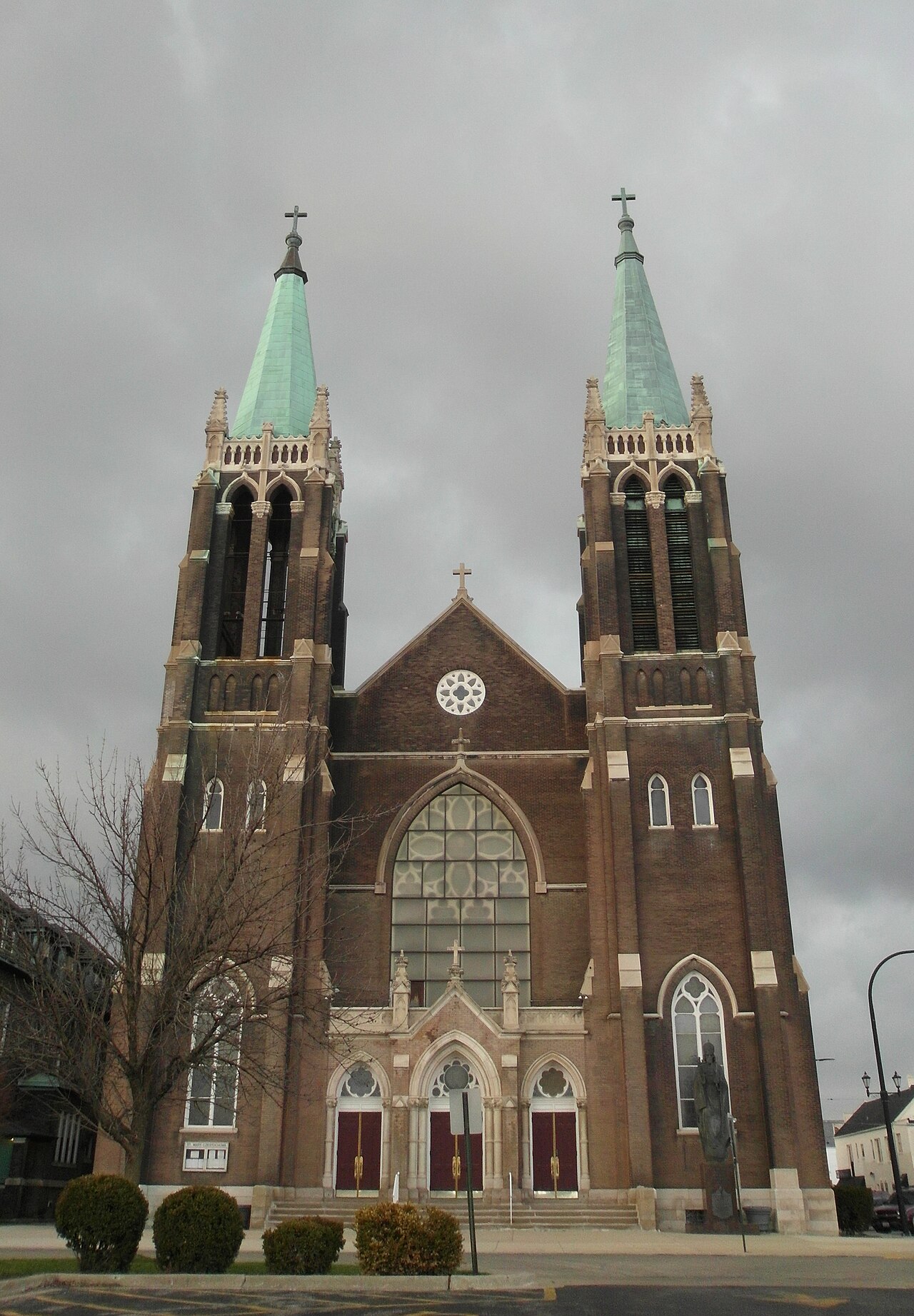
Today Cicero is characterized by compact residential blocks, small commercial corridors, religious and cultural institutions, and family‑oriented neighborhoods. Over recent decades its population has become largely composed of immigrant and second‑generation communities, contributing to a vibrant local culture, bilingual businesses, and community organizations. Public services, parks, and schools serve a dense population on a relatively small municipal footprint.
Government, economy, and transportation
Cicero is governed as an incorporated town with municipal departments responsible for police, fire, public works, and zoning. The local economy combines remaining light industry, storefront retail, and service businesses; some former industrial sites have been repurposed for mixed use. Transit connections and arterial roads link residents to job centers in Chicago and the broader region, making the town part of daily commuter and commercial patterns.
Notable facts and resources
- Originally known as Hawthorne; renamed for the Roman statesman.
- Part of the Chicago metropolitan area with an urban, densely settled character.
- Has a history shaped by industrial employment, immigration, and community institutions.
For official municipal information, services, and local history consult town resources and regional archives. For contextual information about the surrounding metropolitan area, see materials on Chicago and Cook County.
Related articles
Author
AlegsaOnline.com Cicero, Illinois: history, character, and community Leandro Alegsa
URL: https://en.alegsaonline.com/art/20351
Sources
- geonames.usgs.gov : "Town of Cicero"
- www2.census.gov : "2016 U.S. Gazetteer Files"
- quickfacts.census.gov : "Cicero (town), Illinois"
- census.gov : "Population and Housing Unit Estimates"
- ilsos.gov : "Name Index to Illinois Local Governments"