
Chronicle of a Death Foretold
A concise encyclopedia entry on Gabriel García Márquez's 1981 novella, its narrative method, plot outline, themes of honor and fate, structure, reception, and notable features.
Overview
Chronicle of a Death Foretold is a short novel by Nobel Prize winner Gabriel García Márquez. First published in 1981 and translated into English soon after, the work blends journalism and fiction to reconstruct the events surrounding a foretold killing. The story is told by an unnamed narrator who pieces together testimony from townspeople to explain how a murder that everyone knew would happen nevertheless took place.
Image gallery
2 Images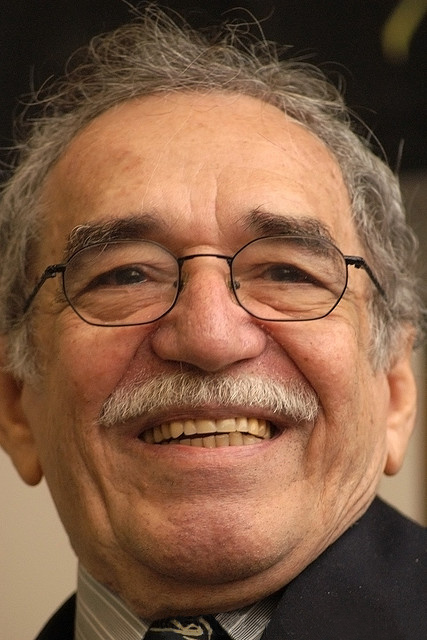

Plot and principal characters
The central incident is the killing of Santiago Nasar, a young man accused of dishonoring Angela Vicario. After her marriage collapses, Angela names Santiago as the man responsible and her brothers, Pedro and Pablo Vicario, take it upon themselves to restore the family's honor. Despite many villagers becoming aware that the brothers intend to kill Santiago, efforts to stop them are ineffective. Key figures include the narrator, Santiago Nasar and his mother, Angela Vicario, the Vicario brothers, and the man who returns Angela to her family, Bayardo San Román.
Structure and style
The novella employs a fragmented, investigative structure: the narrator revisits the town, interviews witnesses, and assembles contradictory memories. Time is treated nonlinearly, with recurring details and repeated scenes that create a sense of inevitability. Though García Márquez is often associated with magical realism, this book leans toward reportage and moral inquiry rather than overt fantastical elements.
Themes and significance
- Honor and social pressure: the killing is framed as a duty demanded by social codes.
- Collective responsibility: the town's shared inaction becomes a central ethical question.
- Memory and truth: conflicting accounts raise doubts about objective facts.
- Fate versus free will: the repetitive structure suggests a foretold outcome.
Publication, reception, and legacy
Upon publication the novella drew praise for its compact, exacting prose and its blending of investigative technique with literary nuance. It is widely taught, translated, and adapted for stage and film. Critics note its moral intensity and the way it interrogates communal culpability. The work remains one of García Márquez's most accessible and frequently discussed shorter pieces.
Notable facts
The narrative is often described as a fictionalized reconstruction of a real incident the author heard about; however, García Márquez transforms the source material into a meditation on memory and social codes rather than a straightforward true-crime account. Readers and scholars continue to debate questions raised by the text, including how communities remember events and how stories of wrongdoing are shaped by rumor, silence and ritual.
Related articles
Author
AlegsaOnline.com Chronicle of a Death Foretold Leandro Alegsa
URL: https://en.alegsaonline.com/art/20227