
Chromium(IV) oxide (chromium dioxide, CrO2)
Chromium(IV) oxide (CrO2) is a black, crystalline inorganic compound known for its ferromagnetic properties and historical use as the magnetic pigment in audio and video tapes.
Overview: Chromium(IV) oxide, commonly written CrO2 and also called chromium dioxide, is an inorganic oxide of chromium in the +4 oxidation state. It appears as a black crystalline solid and is notable for its magnetic behavior at ordinary temperatures. Because of this combination of magnetic and structural properties, CrO2 has attracted attention both as a functional material and as a historic industrial pigment for magnetic recording.
Image gallery
2 Images
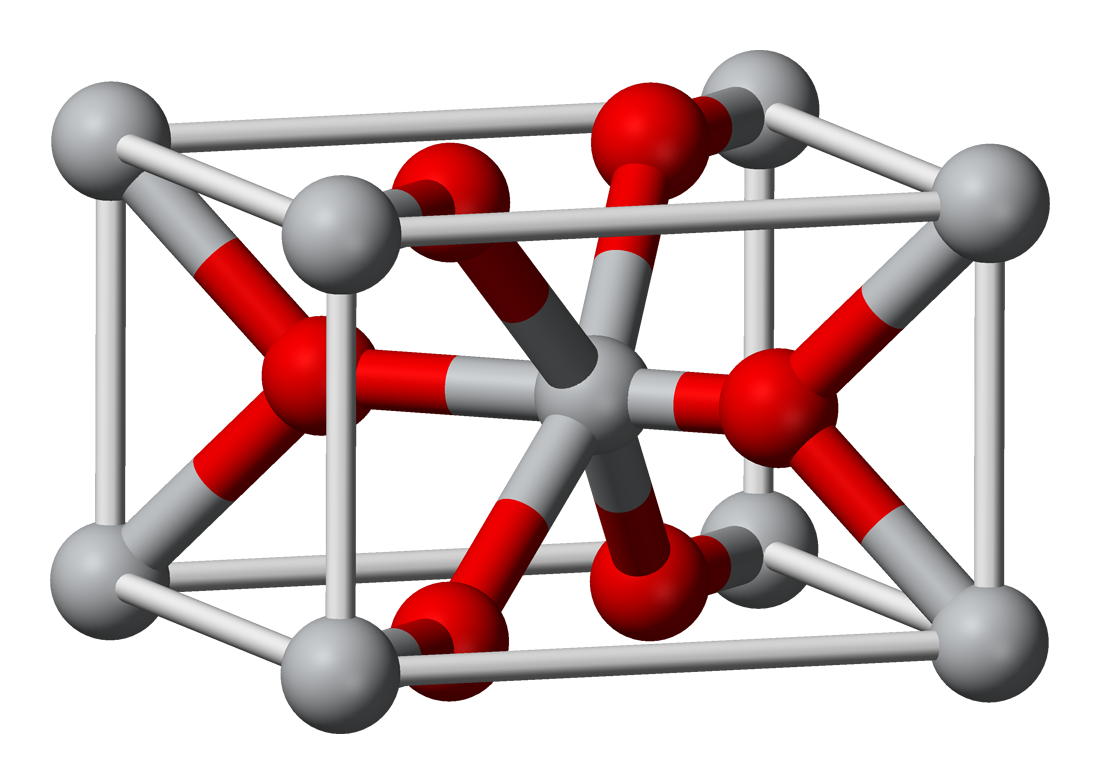
Physical and chemical characteristics
CrO2 crystallizes in a rutile-type structure and behaves as a ferromagnet at room temperature. It has relatively high magnetic coercivity and remanence compared with many other magnetic oxides, making it effective at storing magnetic information on small particles. Chemically, CrO2 is one member of a series of chromium oxides; it differs from the more common green chromium(III) oxide (Cr2O3) in oxidation state, color, and magnetic properties.
Synthesis and preparation
Industrial and laboratory preparation of chromium(IV) oxide typically involves a hydrothermal or high-pressure conversion of higher oxidation-state chromium compounds. For example, chromium(VI) oxide (chromium trioxide) can be transformed under high temperature and pressure in the presence of water to yield CrO2. Such synthesis requires controlled conditions because chromium chemistry includes multiple stable oxidation states and some precursors are strongly oxidizing.
Uses and examples
- Historically, CrO2 was widely used as the magnetic pigment in compact audio and video cassette and tape formulations because its magnetic properties improved recording quality.
- Today it also appears in research contexts and in specialty magnetic materials where strong, stable magnetic particles are required.
History and development
Chromium dioxide became important in the mid-20th century when advances in magnetic recording sought materials with higher signal-to-noise ratios and durability. Its adoption in magnetic tape formulations represented a significant performance step for audio and video media before newer magnetic and digital technologies became dominant.
Safety, handling, and distinctions
Precursors used to make CrO2, notably chromium(VI) compounds, are toxic and environmentally hazardous; appropriate industrial controls are necessary for synthesis and disposal. Chromium(IV) oxide itself is distinct from chromium(III) oxide in color, stability, and magnetism. For further technical details and reference data consult specialized sources: preparation methods and material safety guidance such as tests in aqueous systems with water.
Related articles
Author
AlegsaOnline.com Chromium(IV) oxide (chromium dioxide, CrO2) Leandro Alegsa
URL: https://en.alegsaonline.com/art/20214