
Church Fathers — Patristic Writers and Early Christian Theologians
The Church Fathers are influential early Christian teachers and writers whose theological, liturgical, and exegetical work shaped doctrine across Eastern and Western Christianity.
Overview
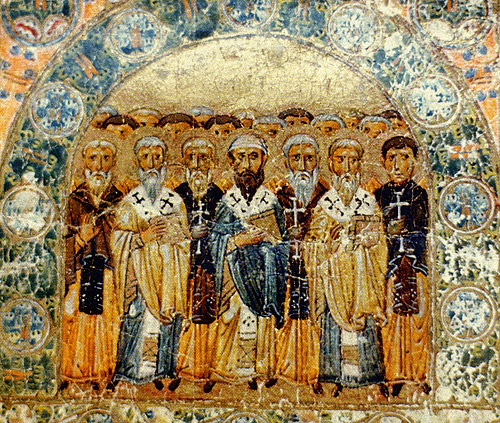
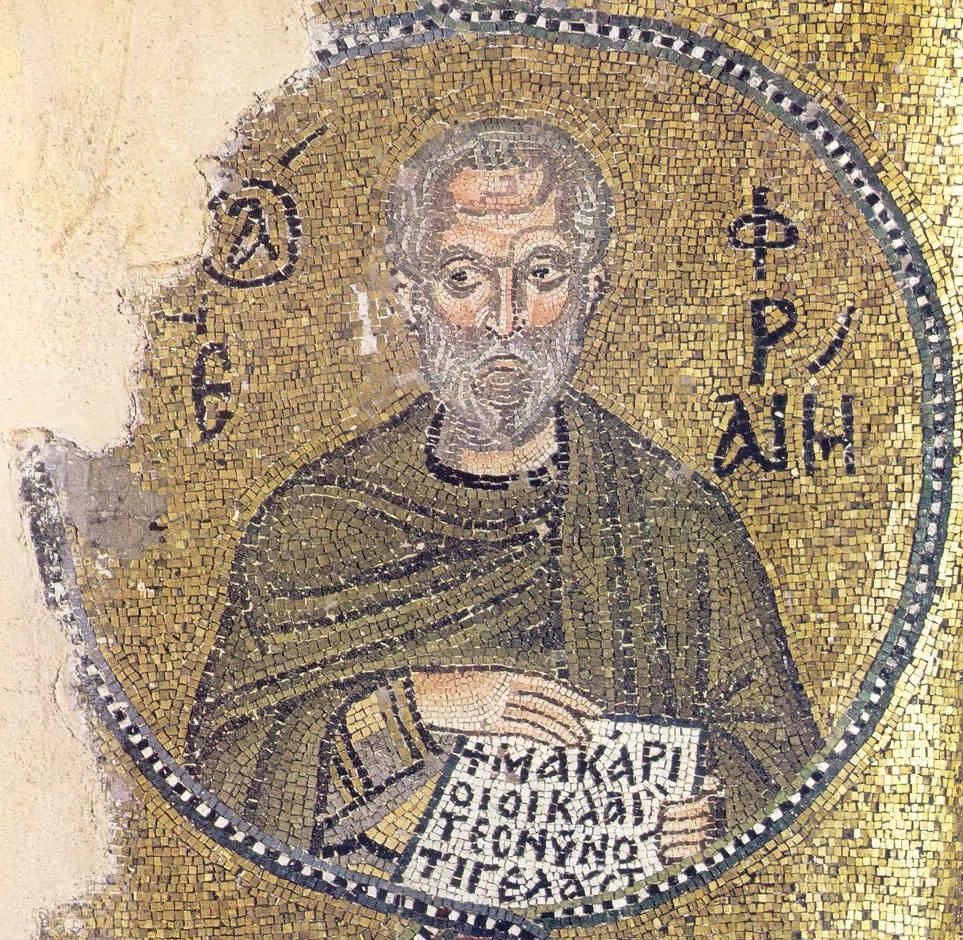
The term "Church Fathers" denotes influential writers and leaders of early Christianity whose teachings, sermons, letters and theological works helped to form Christian doctrine, worship and biblical interpretation. These figures are often called fatherly authorities because their guidance was received as formative for successive generations of Christians. In common usage the label covers a wide range of roles including pastors, teachers, monastics and scholars.
Image gallery
10 Images


Characteristics and Recognition
Recognition as a Father typically depends on a combination of factors: antiquity (close to the apostolic age), fidelity to received doctrine, moral reputation and lasting influence. Many are known as Christian theologians, while others served in ecclesiastical office, such as bishops. Different Christian traditions apply the title with varying scope. Western churches tend to restrict the designation to earlier patristic figures, whereas the Eastern Orthodox tradition often extends the title to later theologians and saints whose writings are esteemed for spiritual and doctrinal depth.
History and Major Periods
Scholars divide the patristic era into phases. The "Apostolic Fathers" are the earliest post-apostolic writers who preserved links with the first-century church. The broader patristic period encompasses the second through the eighth centuries, when theological controversies, councils and monastic movements produced a rich body of literature. Major controversies addressed by the Fathers included responses to Gnosticism, Arianism and other doctrinal disputes that prompted councils and creedal formulations.
Notable Figures and Writings
- Early apologists and teachers such as Irenaeus, Tertullian and Clement of Alexandria.
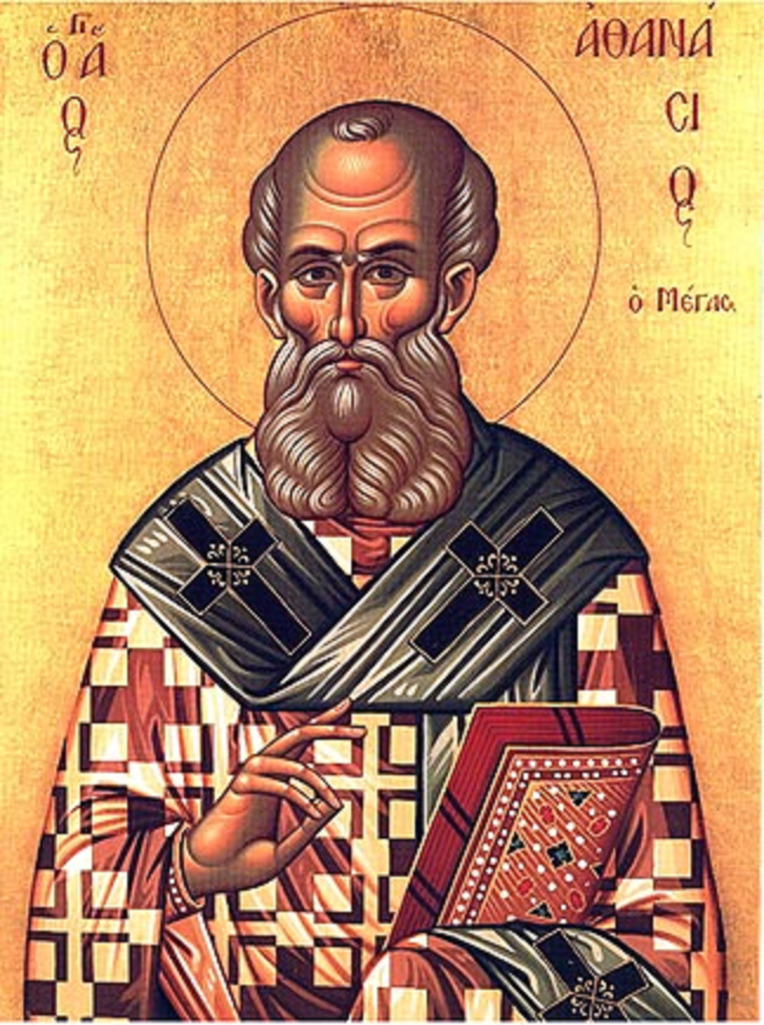
- Leaders and bishops like Athanasius, Basil the Great, Gregory of Nazianzus and John Chrysostom.
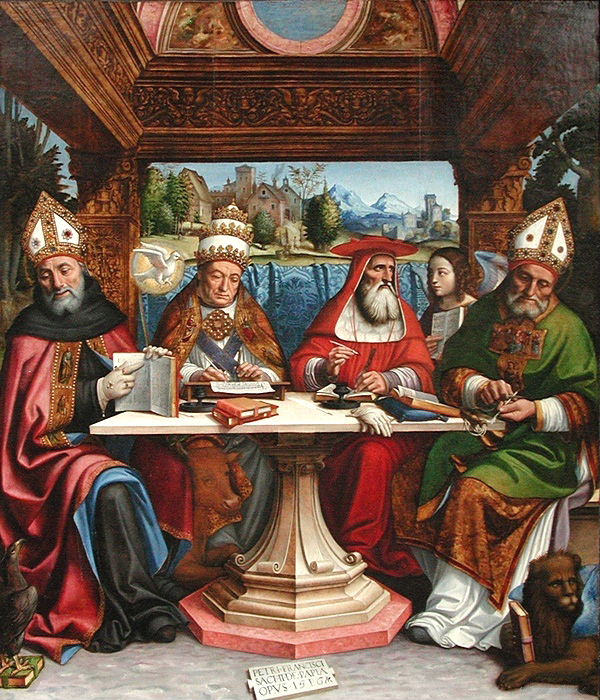
- Latin writers including Augustine, Jerome and Ambrose.
Their works span apologetic treatises, doctrinal expositions, biblical exegesis, homilies, letters and spiritual manuals. These genres provided the means by which doctrine was articulated, contested and taught to Christian communities.
Legacy and Importance
The Fathers left a lasting legacy: they contributed to the language of doctrine (for example, terms used in the creeds), influenced liturgical forms, and helped establish the canon of Scripture and ecclesiastical practice. Their writings remain central to historical theology and to contemporary debates in ecumenical dialogue. Academic study of this corpus—known as patristics—continues to illuminate early Christian thought, pastoral practice and the development of orthodoxy.
Distinctions and Notable Facts
Not every influential early Christian appears on every tradition's list of Fathers; selection reflects historical, theological and ecclesial judgments. Some figures are celebrated across traditions, others are the subject of dispute or selective reception. The title "Father" signals both respect and the practical role these writers played in shaping communal belief and practice in the formative centuries of Christianity.
Related articles
Author
AlegsaOnline.com Church Fathers — Patristic Writers and Early Christian Theologians Leandro Alegsa
URL: https://en.alegsaonline.com/art/20305