
Christian music
Music that expresses, accompanies, or arises from the Christian faith, including hymns, liturgical chant, gospel, and contemporary styles used in worship, devotion, and wider culture.
Christian music is music that conveys themes, stories, or praise related to the Christian faith. It ranges from simple congregational hymns and ancient chant to modern popular styles, and it can be devotional, didactic, or artistic. The subject matter commonly centers on God, Jesus Christ, salvation, scripture, and moral teaching, and it often serves liturgical, catechetical, or evangelistic functions.
Image gallery
4 Images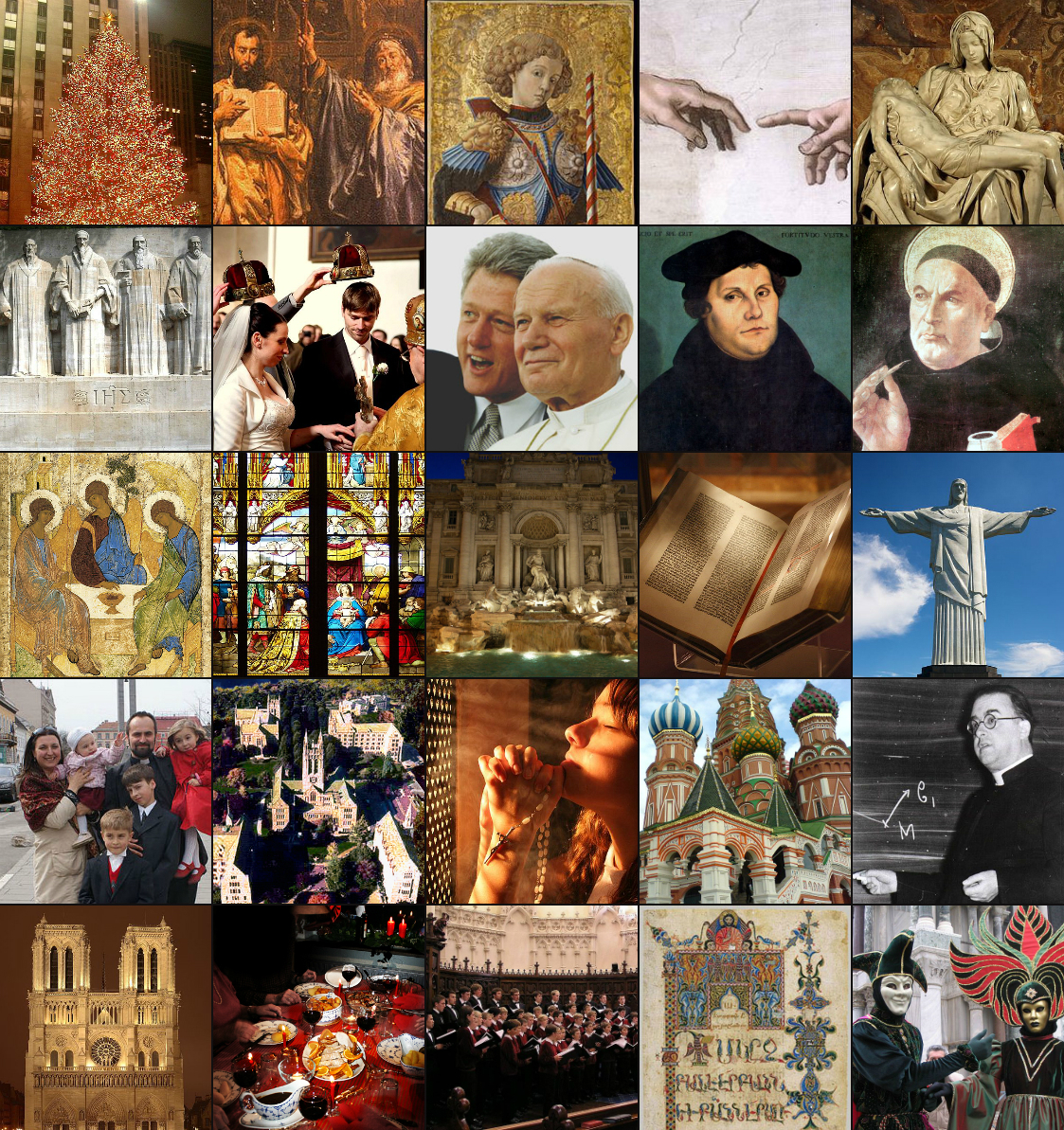


Characteristics and common forms
Styles vary widely. Traditional forms include hymnody and liturgical chant, while African-American spirituals and gospel emphasize vocal expression and communal experience. Since the 20th century, contemporary Christian music has blended pop, rock, and folk idioms with religious lyrics. Other subgenres include praise-and-worship music used during services and more artistic sacred compositions performed in concert settings.
- Hymns and psalms
- Liturgical chant and classical sacred music
- Gospel and spirituals
- Contemporary Christian and worship music
Origins and historical development
The roots of Christian music extend to Jewish worship practices, especially the singing of the Psalms, which are included in the Psalms collection and referenced throughout the Bible. Over centuries, musical forms developed alongside liturgy, theological shifts, and cultural exchange: chant in the early church, polyphony in the medieval and renaissance periods, hymn revival movements, and modern popular adaptations.
Uses include congregational singing in worship, performance in sacred spaces, personal devotion, missionary and outreach contexts, and commercial recording. Christian music can function to unify a congregation, teach doctrine, express individual or communal emotion, and engage cultural conversations.
Notable distinctions involve purpose and audience: liturgical music is crafted for worship rites and may follow ecclesial rules, whereas commercial Christian music is often produced for radio and consumer markets. Debates occasionally arise about style, theology, and the role of performance in worship, reflecting diverse beliefs about how music should serve faith communities.
For further reading and resources, see introductory and specialized materials on the subject: theological overviews, historical surveys, genre studies, and collections of primary texts such as the Psalms and other scriptural sources referenced in Christian tradition.
Related articles
Author
AlegsaOnline.com Christian music Leandro Alegsa
URL: https://en.alegsaonline.com/art/20099