
Christmas carol: history, characteristics, and cultural role
A Christmas carol is a song or hymn with lyrics about Christmas, traditionally sung during the holiday season. This article covers origins, musical features, examples, and cultural importance.
Overview
A Christmas carol is a song or hymn whose words focus on the season of Christmas and its associated themes. Often referred to as a noël (a word borrowed from French), carols may be devotional, narrative, or celebratory. They are commonly performed in churches, homes, public gatherings, and by choirs or groups of singers who move from place to place during the holiday period.
Image gallery
6 Images


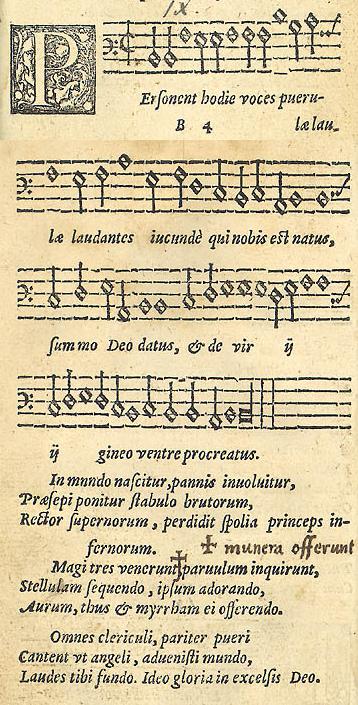
Characteristics and form
Carols vary widely in style and complexity. Some are simple, strophic tunes intended for communal singing; others are elaborate choral pieces composed for concert performance. Typical features include memorable refrains, clear melodic lines, and lyrics that reference the Nativity, joy, peace, or winter customs. Carols can be sacred or secular, and their instrumentation ranges from a cappella voices to full orchestral arrangements.
History and development
The tradition of singing seasonal songs predates printing and took many forms across Europe. By the late medieval and early modern periods, carols had become associated with both religious observance and popular festivity. The 19th century saw a revival of interest in old carols as well as the composition of new ones, which helped shape the repertoire commonly heard today.
Examples and uses
Familiar carols are performed during liturgies, at community concerts, and in informal settings. Some tell the story of the Nativity, others celebrate winter imagery or express goodwill. Choirs, congregations, and visiting singers use carols to unite participants and mark the season: see collections and arrangements for examples and adaptations.
Notable distinctions and cultural role
Not all Christmas songs are carols in the traditional sense; the term often implies a communal or liturgical origin. Modern popular songs about the holidays may be called Christmas songs rather than carols. Scholars and musicians examine carols for their linguistic, musical, and social significance, and many resources discuss lyric origins and variations. For further reading on hymn forms and seasonal music see song and hymn studies, discussions of lyrical sources at lyric archives, and cultural context at Christmas studies.
- Common settings: church services, community sings, concerts.
- Common themes: Nativity, joy, peace, winter festivity.
- Variants: sacred carols, secular carols, regional traditions.
Questions and answers
Q: What is a Christmas carol?
A: A Christmas carol is a song or hymn whose lyrics are on the theme of Christmas.
Q: What is the origin of the word "noël"?
A: The word "noël" comes from the French language and means "Christmas."
Q: When are Christmas carols traditionally sung?
A: Christmas carols are traditionally sung on Christmas itself or during the surrounding holiday season.
Q: What is the theme of Christmas carols?
A: The theme of Christmas carols is Christmas.
Q: What language does the word "noël" originate from?
A: The word "noël" originates from the French language.
Q: What is the meaning of the word "noël"?
A: The meaning of the word "noël" is "Christmas."
Q: What is the difference between a Christmas carol and a regular song?
A: A Christmas carol is a song or hymn specifically about the theme of Christmas, while a regular song can be about any topic.
Related articles
Author
AlegsaOnline.com Christmas carol: history, characteristics, and cultural role Leandro Alegsa
URL: https://en.alegsaonline.com/art/20148
Sources
- history.com : "The History of Christmas"
- content.time.com : "Christmas Caroling"