
Things Fall Apart — novel by Chinua Achebe
A concise overview of Chinua Achebe’s 1958 novel Things Fall Apart: plot structure, themes, cultural context, legacy, and its depiction of Igbo society before and during colonial contact.
Overview
Things Fall Apart is a novel first published in 1958 by the Nigerian writer Chinua Achebe. It narrates the life of Okonkwo, a respected wrestler and farmer, and traces the social, religious and political life of an Igbo community in what is now Nigeria. The book is set during the period just before and during the initial phase of European contact and rule, offering a primarily indigenous perspective on cultural change and disruption associated with colonialism.
Image gallery
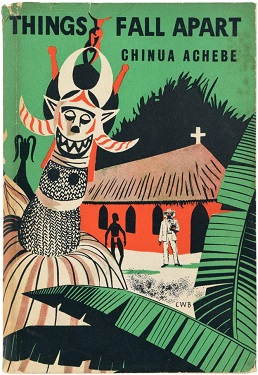
5 Images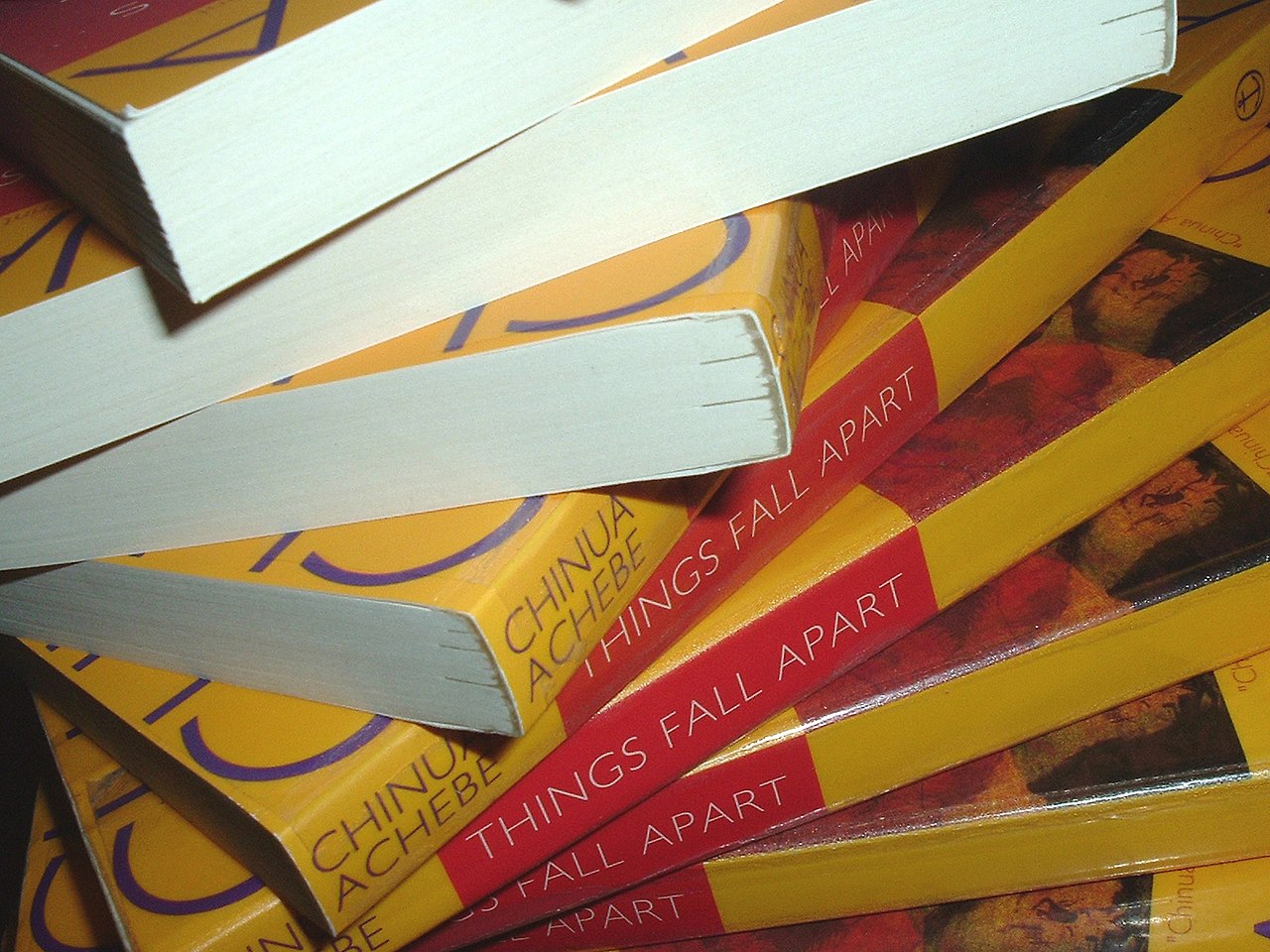


Structure and main elements
The novel is commonly divided into three broad sections. The opening part establishes Okonkwo’s personal history, family relations and the customs of his fictional clan, Umuofia. The middle section shows growing tension as external forces and beliefs begin to arrive. The final section deals with the consequences of increased contact with European traders, administrators and missionaries and the clash of worldviews. Achebe uses proverbs, folktales and ceremonies to convey the texture of daily life.
Themes and techniques
The novel explores themes such as tradition versus change, masculinity, fate and individual responsibility. Okonkwo functions as a tragic figure whose strengths and rigid pride contribute to his downfall. Achebe’s prose intentionally blends standard English with Igbo expressions and oral forms, making the novel a study in cross-cultural narration and linguistic adaptation.
Historical context
While the story is fictional, its backdrop reflects the broader history of West Africa in the late 19th and early 20th centuries, when increasing contact with the 19th century European powers produced missionary activity and colonial administration. The arrival of Christian missionaries and later imposition by British colonialists form the external forces that unsettle the social fabric depicted in the book.
Reception and legacy
Since publication, Things Fall Apart has been widely read around the world and translated into many languages. It is often cited as a foundational modern African novel and has entered school and university curricula internationally. Critics praise its sympathetic portrayal of African societies and its challenge to one-sided colonial narratives. The title itself echoes a line from W. B. Yeats’s poem “The Second Coming,” which some readers interpret as underscoring the sense of social disintegration in the story.
Notable facts and continuing relevance
- Symbolism: recurring images such as yams, fire and ritual figures convey social values and tensions.
- Language: the novel reintroduces oral storytelling techniques within written English to preserve cultural nuance.
- Impact: it helped open global attention to African literature and inspired later writers across the continent.
For more detailed discussion of the novel’s characters, episodes and critical interpretations, readers may consult dedicated study guides and academic introductions that follow the narrative closely and trace its influence on postcolonial literature.
Read about the novel • Author biography • Nigeria context • Colonialism overview • European expansion • 19th-century background • Igbo culture • Fictional Umuofia • British colonialism • Missionary activity
Questions and answers
Q: Who wrote Things Fall Apart?
A: Things Fall Apart was written by Chinua Achebe.
Q: When did it come out?
A: It came out in 1958.
Q: What is the main character's name?
A: The main character in the book is a man named Okonkwo.
Q: Where does the story take place?
A: The story takes place in a fictional clan in Nigeria called Umuofia.
Q: What are the three main parts of the story about?
A: The first part talks about Okonkwo's personal life and the Igbo culture and traditions, while the second and third parts talk about the British colonialists and Christian missionaries.
Q: Why is Things Fall Apart important?
A: Things Fall Apart is a very important book as many people see it as an archetype (something that other works have been based on) for other African novels. It has also been sold over 20 million times, and Time magazine said it was one of the best 100 English-language books from 1923 to 2005.
Related articles
Author
AlegsaOnline.com Things Fall Apart — novel by Chinua Achebe Leandro Alegsa
URL: https://en.alegsaonline.com/art/99377
Sources
- penguinrandomhouse.com : "Things Fall Apart"