
Bruce Lee: Martial Artist, Actor, and Cultural Icon
Comprehensive overview of Bruce Lee’s life, films, martial arts philosophy (Jeet Kune Do), teaching, influence on film and combat arts, and the circumstances and legacy of his early death.
Bruce Lee (November 27, 1940 – July 20, 1973) was a Hong Kong–born actor, martial artist, instructor and thinker whose work reshaped popular perceptions of martial arts around the world. He acted in Hong Kong and American films, developed a personal combat system known as Jeet Kune Do, and became a lasting cultural icon. Lee combined physical skill, theatrical presence and a modern, pragmatic approach to training and fighting that influenced action cinema, combat sport and popular culture.
Image gallery
10 Images


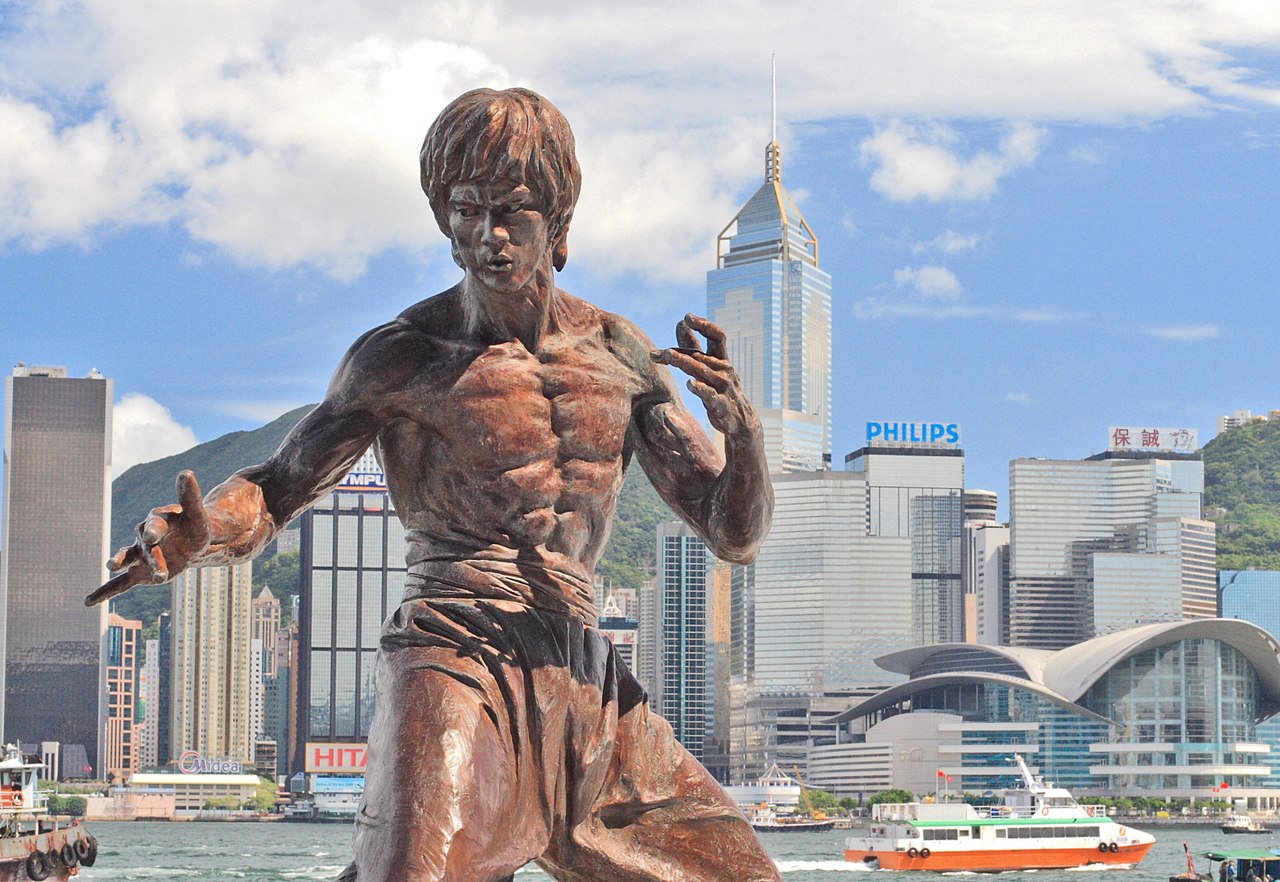

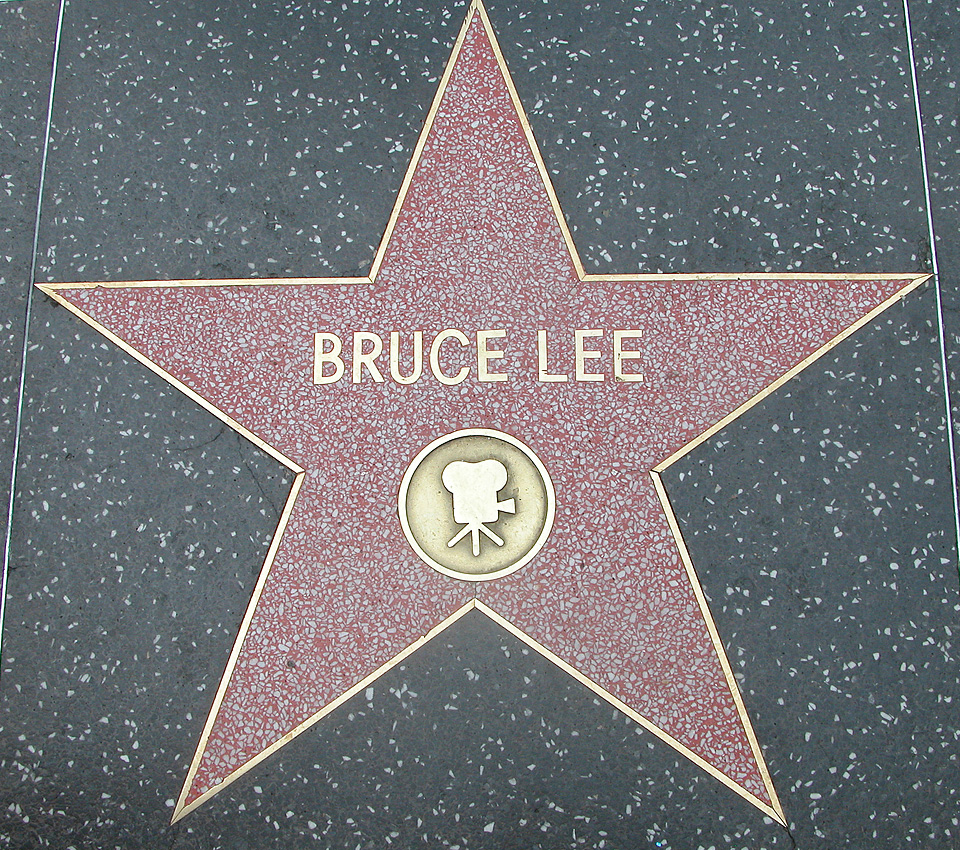
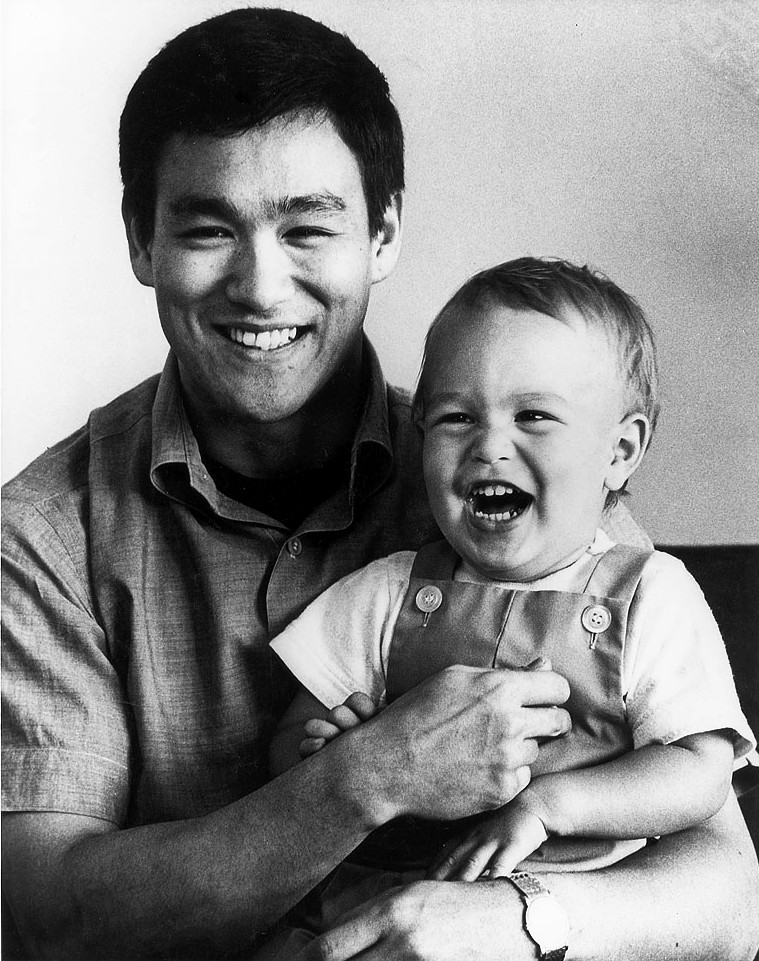

Early life and training
Born in San Francisco and raised in Hong Kong, Lee appeared in films as a child and later returned to the United States as a young adult. He studied martial arts formally in Hong Kong and trained in Wing Chun under the celebrated teacher Ip Man before developing his own approach. Lee also pursued higher education and settled for a time in Seattle, where he taught martial arts, opened schools and refined techniques that prioritized economy of motion and adaptability. His practical, cross‑disciplinary approach reflected both Eastern training and Western physical-conditioning methods.
Film career and public breakthrough
Bruce Lee starred in a small number of feature films that achieved outsized influence. In Hong Kong he led hits such as The Big Boss, Fist of Fury and The Way of the Dragon (which he wrote and directed). His international breakthrough came with Enter the Dragon, a co‑production with American partners that helped introduce kung fu cinema to Western audiences. Lee’s screen persona combined speed, precision and charisma and opened doors for other performers. Several contemporaries and later stars have cited him as an inspiration, including Jackie Chan, Jet Li and Chuck Norris, each of whom followed different paths in film and stunt work but acknowledged Lee’s impact.
Jeet Kune Do: philosophy and practice
Lee rejected rigid adherence to a single style and promoted a flexible, efficiency‑driven methodology he called Jeet Kune Do. Rather than a formalized system with fixed techniques, Jeet Kune Do is often described as a set of guiding principles: use what is useful, discard what is not, and be honest with oneself in training and combat. Emphasis fell on directness, timing, interception and the blending of striking, trapping and grappling when appropriate. This attitude influenced later generations of fighters and instructors and anticipated some ideas later visible in mixed martial arts.
Teaching, notable students and training methods
Lee taught a diverse group of students, from professional actors to athletes, and attracted attention for his unconventional training methods and dedication to conditioning. Among people who trained with or studied under him were cinema figures such as Steve McQueen and James Coburn, and athletes including Kareem Abdul‑Jabbar, who later appeared with Lee on screen. Lee’s regimen mixed speed drills, weight training, isometrics, flexibility work and attention to diet and recovery. He also wrote and published essays and notes on combat theory that remain studied by martial artists and historians.
Death, unfinished work and legacy
Lee died unexpectedly on July 20, 1973 at the age of 32. The official medical finding cited cerebral edema as the cause of death, a swelling of the brain that was linked to an adverse reaction to medication he had taken for a back injury; contemporary reports and later commentary have examined the medical details and the many rumoured explanations. At the time he was completing work on The Game of Death, a project left unfinished and later supplemented by footage and stand‑ins. The personal tragedies surrounding his family also affected public memory: his son Brandon Lee died in a separate on‑set shooting incident two decades later.
Bruce Lee’s influence extends beyond the films he completed. He changed how martial arts were filmed and taught, accelerated the integration of Asian actors into global cinema, and contributed a philosophical approach to combat that emphasized adaptability and personal expression. His life and ideas are frequently revisited in biographies, documentaries and retrospectives, and his reputation as a pioneering practitioner and cultural figure endures.
For further reading on related subjects, see resources on his collaborators and medical findings: Steve McQueen, James Coburn, Kareem Abdul‑Jabbar, Jackie Chan, Jet Li, Chuck Norris, Enter the Dragon, discussions of his role as a cultural icon and medical background on cerebral edema.
Questions and answers
Q: What was Bruce Lee famous for?
A: Bruce Lee was famous for making martial arts popular in the United States in the 1970s, when he played in a series of movies. He is also noted for his major contributions to both the Hong Kong and American movie industry during the 1970s, his martial arts movement and innovative ideas (including Jeet Kune Do), his philosophy, and his physical fitness ability.
Q: What was Bruce Lee's first ever martial arts movie?
A: Bruce Lee's first ever martial arts movie was called Enter the Dragon. It was released after Bruce's death but became the most successful and famous of all his films.
Q: Who did Bruce Lee teach martial arts to?
A: Bruce Lee taught other people martial arts, including actors Huggo Chairres, Steve McQueen, James Coburn, and basketball player Kareem Abdul-Jabbar.
Q: Who were some of the actors inspired by Bruce Lee?
A: Some of the actors inspired by Bruce Lee include Jackie Chan, Jet Li, and Chuck Norris. Jackie Chan had a small part in 'Enter The Dragon' and Chuck Norris co-starred in Way of The Dragon.
Q: How many movies did Bruce Lee star in?
A:Bruce starred in five movies - The Big Boss, Fist of Fury (also known as The Chinese Connection and The Iron Hand), The Way of the Dragon (also known as Return of the Dragon), Enter the Dragon and The Game of Death.
Q: When did Bruce Lee die?
A:Bruce died on July 20th 1973 at age 32 from cerebral edema which is believed to have been caused by a reaction to painkillers he was taking for a back injury.
Related articles
Author
AlegsaOnline.com Bruce Lee: Martial Artist, Actor, and Cultural Icon Leandro Alegsa
URL: https://en.alegsaonline.com/art/115706