
Tom Hayden (1939–2016) — American activist, writer, and politician
Tom Hayden was a leader of 1960s student activism, co‑author of the Port Huron Statement, a member of the Chicago Seven, later a California legislator and long‑time social justice advocate.
Thomas Emmet "Tom" Hayden (December 11, 1939 – October 23, 2016) was an American social and political figure whose career spanned grassroots protest, intellectual activism, public office and nonprofit organizing. He became nationally prominent in the 1960s as a leader of student activism and as a principal author of the Port Huron Statement. Over the decades he combined writing and organizing on issues including the anti‑Vietnam War movement, civil rights, and democratic reform.
Image gallery
7 Images


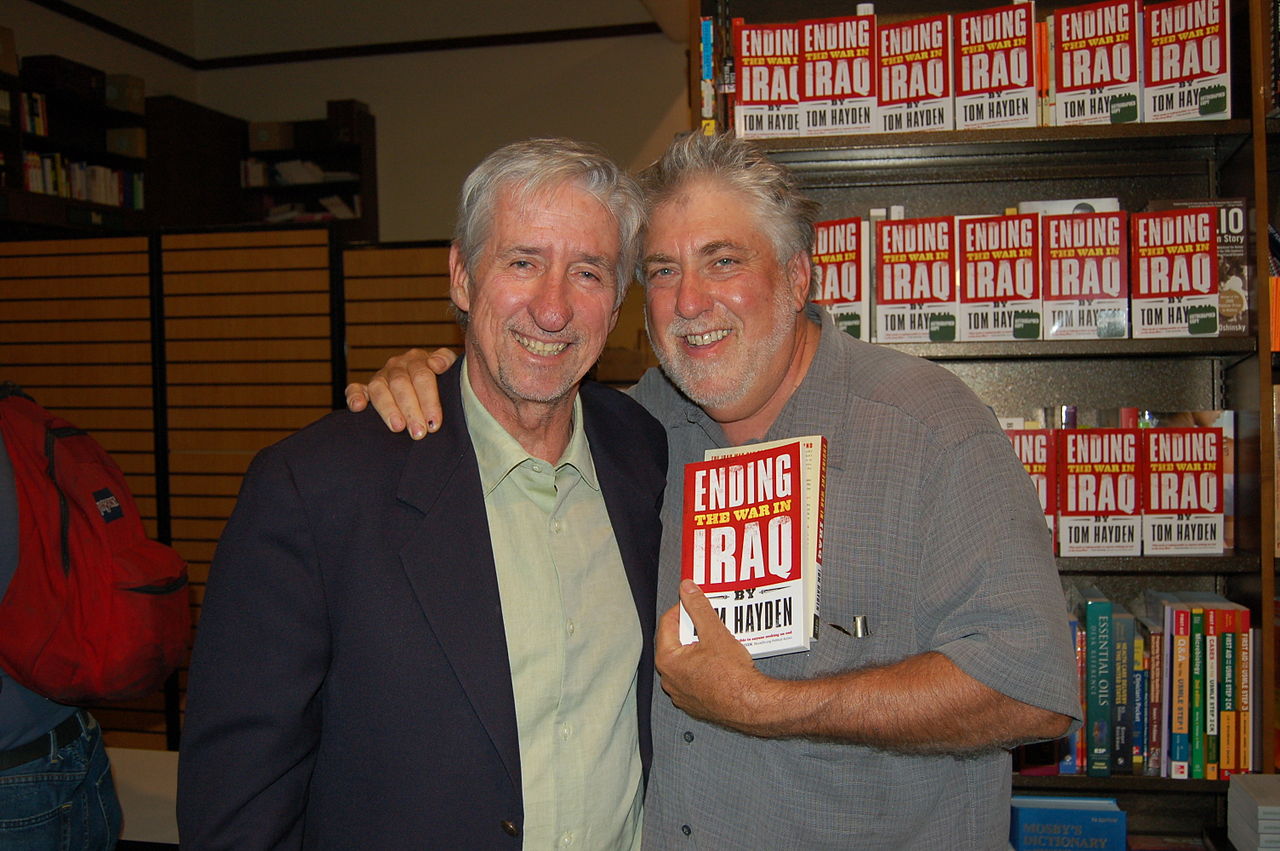


Early activism and the Port Huron Statement
Hayden emerged as a key organizer in the Students for a Democratic Society (SDS), where he helped articulate a critique of Cold War liberalism and a vision for participatory democracy. The Port Huron Statement (1962), with which he is strongly associated, called for greater citizen engagement, civil liberties, and opposition to U.S. interventions abroad. That document and Hayden's subsequent organizing made him a prominent voice of the 1960s New Left.
Chicago trial and national profile
Hayden was one of the defendants in the high‑profile trial of the Chicago Seven after protests at the 1968 Democratic National Convention. The trial became a focal point for debates about protest, free speech and the criminal justice response to political dissent. His role in these events cemented his reputation as an outspoken critic of the Vietnam War and an important public intellectual of the era.
Public office and later work
After years of activism, Hayden moved into elected politics in California, serving in the state legislature in both the Assembly and the Senate, where he worked on environmental, consumer and social justice legislation. He later directed the Peace and Justice Resource Center in Los Angeles County and remained active in campaigns against war and for progressive reform. Hayden also authored numerous essays and books on politics and protest.
Personal life and legacy
Hayden's personal life intersected with his public prominence; he was the former husband of actress Jane Fonda and the father of actor Troy Garity. He was widely remembered for linking 1960s radicalism to later institutional politics and for his persistent advocacy on civil rights and anti‑war causes. His early work helped shape debates about participatory democracy that continue to influence activists.
Death and final notes
Hayden died in Santa Monica, California on October 23, 2016. Reports indicated he suffered from heart disease and complications following a stroke. For summaries of his life and career see resources on activism and 20th‑century U.S. politics, including profiles that place his work in the broader civil rights and anti‑war movements.
Author
AlegsaOnline.com Tom Hayden (1939–2016) — American activist, writer, and politician Leandro Alegsa
URL: https://en.alegsaonline.com/art/132104