
Alain Resnais: French filmmaker known for memory, time and formal innovation
Alain Resnais (1922–2014) was a French director, editor, actor and screenwriter whose films—including Hiroshima mon amour and Last Year at Marienbad—explored memory, subjectivity and theatrical form across six decades.
Alain Resnais was a major figure of postwar French cinema, active for more than sixty years as a director, actor, editor and screenwriter. Born in Vannes in the department of Morbihan, he became widely known for films that examine memory, time, and the construction of narrative. Resnais combined cinematic montage with theatrical staging and worked frequently with contemporary writers and dramatists to produce films that challenged conventional storytelling.
Image gallery
6 Images
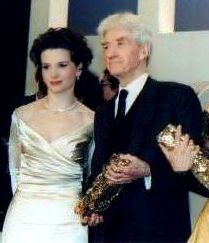



Style and recurring themes
Resnais’s work is often identified by its preoccupation with recollection and the instability of personal and historical memory. Rather than presenting a straightforward chronology, his films use elliptical editing, repeated motifs and dislocated time to mirror the way memory operates. He also drew on techniques from the theatre—precise mise-en-scène, visible sets and carefully choreographed performances—so that psychological and intellectual concerns could be shown as staged tableaux.
Career and development
After making short documentary and experimental films in the years following World War II, Resnais achieved international renown with his first widely seen features in the late 1950s and early 1960s. He forged productive collaborations with writers and playwrights who supplied scripts that foreground ambiguity and fragmented perspectives. Although often associated with the French New Wave for his innovation, Resnais remained distinct in his formal, sometimes theatrical approach.
Notable films
- Hiroshima mon amour (1959) — a landmark film about memory and the aftermath of trauma.
- Last Year at Marienbad (1961) — a formally daring meditation on time and identity.
- Providence (1977) — a reflective, self-aware work about creation and decline.
- Mon oncle d'Amérique (1980) — blends personal stories with scientific reflection.
- Smoking/No Smoking (1993) — an adaptation exploring alternative outcomes from a single moment.
Legacy and significance
Resnais’s films influenced directors and writers interested in non-linear narrative, memory studies in cinema, and the use of theatrical devices on screen. He continued to make films well into later life, adapting plays and novels and experimenting with the relationship between stage and film. Resnais is remembered for a clear, rigorous visual intelligence and for expanding what cinema could do when it treated time and recollection as formal problems.
Related articles
Author
AlegsaOnline.com Alain Resnais: French filmmaker known for memory, time and formal innovation Leandro Alegsa
URL: https://en.alegsaonline.com/art/1946