
Daewoo Motors: history, models, and legacy of a South Korean automaker
Overview of Daewoo Motors: origins in Korea, evolution through partnerships and ownership changes, notable models and technologies, and the company's legacy in global automotive markets.
Daewoo Motors was a South Korean automobile manufacturer that played a significant role in the country’s automotive expansion from the mid‑20th century into the early 2000s. Founded in the 1930s as a local vehicle maker in Incheon, the company evolved through a series of joint ventures and name changes before becoming part of the Daewoo business group in the 1980s. Over several decades it became known for producing affordable compact cars and exporting them to Europe, Asia and emerging markets.
Image gallery
10 Images


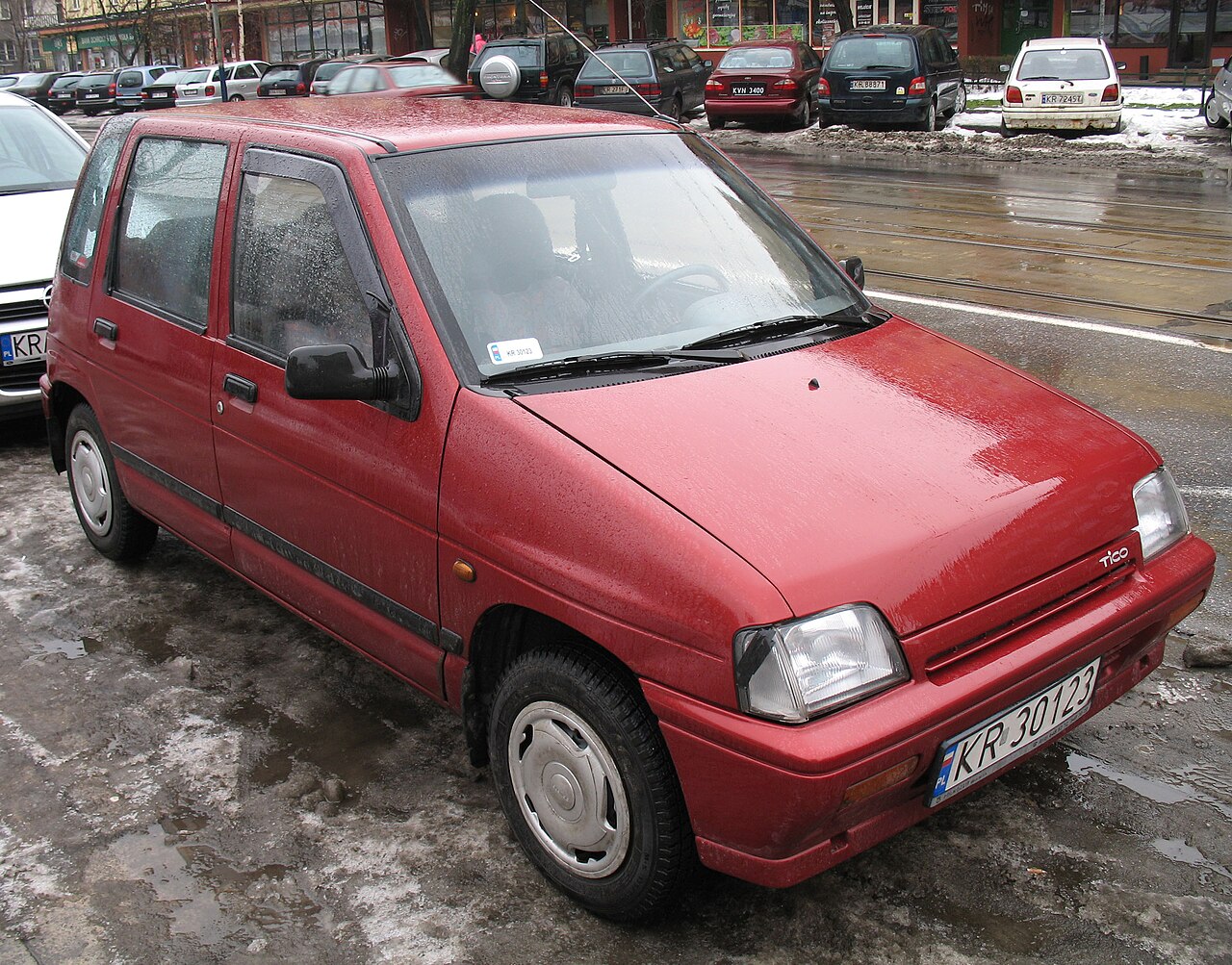


Origins and corporate development
The business began in 1937 in Bupyeong‑gu, Incheon, and operated under a succession of identities as Korea’s industrial landscape and foreign partnerships changed. In the 1960s it was affiliated with Japanese automakers and operated under the Shinjin name. After Toyota withdrew from the relationship in the early 1970s the company entered into an alliance with General Motors, was renamed and later reorganized as Saehan Motors in the mid‑1970s. In 1982 ownership passed to the Daewoo conglomerate, which invested in new models, export programs and production capacity.
Products, technology and market approach
Daewoo’s product strategy emphasized small to medium‑sized passenger cars that delivered competitive equipment and features at low purchase prices. The firm developed and sold models that used front‑wheel‑drive layouts, small‑displacement petrol engines and simple, cost‑efficient manufacturing techniques. These cars were marketed in many countries under the Daewoo name and were also rebadged through partnerships. For corporate information see company profile and for technical summaries see technical notes.
- Notable models: Matiz (city car), Lanos, Nubira, Leganza, Kalos (the basis for later small GM models).
- Common features: compact packaging, emphasis on value, competitiveness in export markets.
Financial crisis, acquisition and renaming
Like other large Korean conglomerates, the Daewoo Group was affected by the Asian financial crisis of the late 1990s. Substantial debt and liquidity problems led to the decision to divest noncore assets. In 2001 General Motors acquired Daewoo’s automobile operations, reorganizing them as GM Daewoo. Under GM ownership the former Daewoo engineering and production facilities continued to develop cars; some models were adapted into global GM products, for example the small Kalos platform was used for the Chevrolet Aveo. For background on the acquisition see acquisition details, and for subsequent corporate changes see corporate history.
Legacy and continuing influence
Although the Daewoo brand gradually disappeared from many markets, its engineering teams, factories and model architectures persisted within General Motors’ global portfolio. In 2011 the business was rebranded as GM Korea, reflecting renewed integration with GM’s worldwide operations. The value‑focused cars that originated under Daewoo helped make automobiles accessible in several markets and influenced later generations of compact GM offerings. For discussion of markets and rebadging see market notes and rebadging examples.
Distinctions and notable facts
- Daewoo was widely recognized for offering highly affordable cars with competitive equipment levels relative to price.
- The Kalos platform illustrates how a regional model can be adapted into a global product—later marketed as the Chevrolet Aveo in many countries.
- After acquisition the company’s core operations continued to supply engines, platforms and design work for GM; see post‑acquisition summary.
Today the name Daewoo remains a part of automotive history: a case study in rapid industrial growth, international partnerships, and the impact of economic crisis and corporate restructuring on a national carmaker. Its technical footprints and many of its vehicle concepts live on within successor companies and the broader compact car market.
Related articles
Author
AlegsaOnline.com Daewoo Motors: history, models, and legacy of a South Korean automaker Leandro Alegsa
URL: https://en.alegsaonline.com/art/25063
Sources
- autoevolution.com : "DAEWOO Cars and Brand History"
- autoevolution.com : "CHEVROLET Aveo / Kalos 5 Doors Models (3)"
- thedetroitbureau.com : "GM Daewoo Changing Name to GM Korea"
- commons.wikimedia.org : Daewoo Motors