
Chevillard (Ain) — commune in Auvergne-Rhône-Alpes, France
Chevillard is a small rural commune in the Ain department of Auvergne-Rhône-Alpes, eastern France. Overview of geography, administration, history, economy, services and access for visitors.
Chevillard is a small rural commune in the eastern part of France. It lies within the administrative region Auvergne-Rhône-Alpes (regional page) and is part of the Ain department. The settlement character is typically rural, with limited built-up area, surrounding farmland and patches of woodland. Local life is shaped by agriculture, seasonal rhythms and communal activities.
Image gallery
1 Image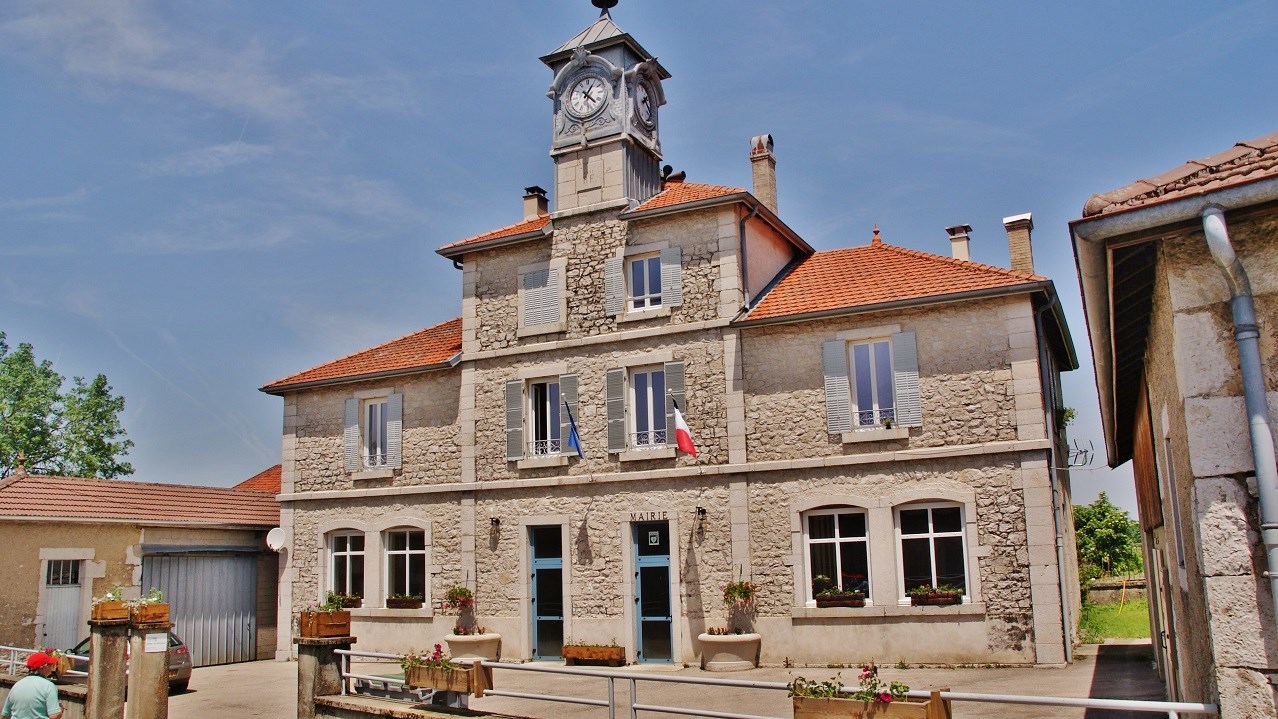
Geography and administration
Chevillard occupies a modest territory within a mixed landscape of plains and low uplands typical of this part of eastern France. As a French commune it is administered by a municipal council and a mayor; administrative links extend to the departmental and regional authorities. Intercommunal arrangements determine certain shared services such as waste management and local planning.
History
The village’s origins are consistent with many small settlements in the region: medieval roots, gradual development around local agriculture and parish life, and adaptation through the administrative changes that followed the French Revolution. While not prominent in national histories, Chevillard shares the region’s broader historical influences, including rural landholding patterns and religious heritage.
Economy, population and services
The local economy is predominantly rural: mixed farming, livestock and small businesses serving residents. Population is modest and typically stable or slowly changing, reflecting wider rural demographic trends. Public services in small communes tend to be basic; residents commonly rely on nearby towns for specialised healthcare, secondary education and larger commercial needs. For official demographic and administrative data consult the commune’s information pages and departmental resources (local commune, Ain department).
Culture, points of interest and access
Chevillard offers a quiet countryside experience rather than major tourist attractions. Typical features include a village church or chapel, traditional houses, agricultural landscapes and walking routes that reveal local scenery. Access is mainly by regional roads linking the commune to neighbouring villages and to departmental centres; public transport options are limited, so private vehicles are often used for day-to-day travel. Visitors and residents can consult regional tourism and planning authorities for events and facilities (Auvergne-Rhône-Alpes, regional services).
Practical notes
- Administrative questions and official notices are published by the municipality and by the prefecture of Ain.
- Departmental services, maps and listings of public facilities are available through department channels.
- For broader travel planning within eastern France see regional transport and tourism portals (eastern France resources).
For precise, up-to-date figures on population, budget and local elections consult national statistics and official commune publications. Chevillard exemplifies the many small communes of rural France: modest in scale, rooted in landscape and local community life, and integrated into departmental and regional administrative structures.
Related articles
Author
AlegsaOnline.com Chevillard (Ain) — commune in Auvergne-Rhône-Alpes, France Leandro Alegsa
URL: https://en.alegsaonline.com/art/19395