
Cheyenne County, Colorado
Cheyenne County is a sparsely populated county on Colorado's eastern plains. County seat Cheyenne Wells; economy centered on farming and ranching; known for wide open spaces and rural character.
Cheyenne County lies on the eastern plains of the state of Colorado in the United States. It is one of Colorado's rural counties and, according to the 2010 census, had a population of 1,836. The county seat and principal town is Cheyenne Wells, a small community that serves as the local service and administrative center.
Image gallery
2 Images
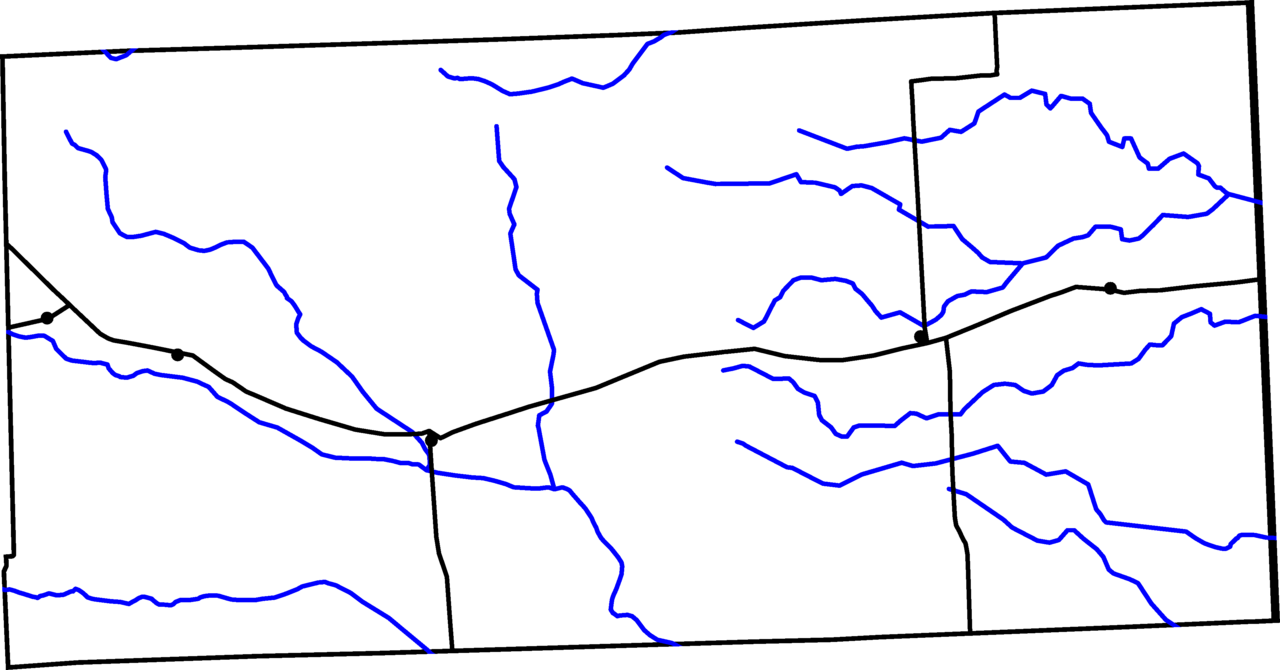
Overview and landscape
Cheyenne County is dominated by plains and grassland characteristic of eastern Colorado. The landscape is generally flat to gently rolling, with soils and climate suitable for dryland farming and livestock grazing. Weather tends to be semi-arid, with cold winters and warm summers, and wide daily temperature swings common on the plains.
Economy and land use
The county economy is largely agricultural. Wheat, other cereal crops, and cattle ranching are principal uses of land. Small service businesses, local government, and services that support agriculture make up much of the remaining employment. Low population density and large farm parcels are typical features.
History and governance
Settled during the broader late 19th-century expansion of the American West, Cheyenne County developed as settlers established farms and ranches on the plains. Like other Colorado counties, it is governed by a board of county commissioners and provides basic local services: road maintenance, land records, public safety coordination, and rural planning.
Communities and culture
Beyond the county seat, the area includes small towns and dispersed ranching homesteads. Community life centers on schools, local fairs, and agricultural events; traditions reflect the region's farming and ranching heritage. The county's open skies, quiet roads, and strong local ties are often noted as defining characteristics.
- County seat: Cheyenne Wells
- Setting: eastern Colorado plains
- Primary activities: farming and ranching
- Population (2010): referenced from the 2010 census
For additional administrative details, maps, or demographic updates, consult state and county resources linked through official portals or local government sites. Reliable overviews and statistics are maintained by state agencies and national census publications.
Tags
Related articles
Author
AlegsaOnline.com Cheyenne County, Colorado Leandro Alegsa
URL: https://en.alegsaonline.com/art/19444