
Chesterfield, Derbyshire, England
Chesterfield is a market town and borough in Derbyshire, in England's East Midlands, noted for its crooked spire, historic market, industrial heritage and transport links to nearby cities and the Peak District.
Overview
Chesterfield is a market town and local government borough in Derbyshire, located in England's East Midlands. It sits on the River Rother and occupies a position between larger urban centres such as Nottingham, Sheffield and Derby. The town functions as a regional service centre for surrounding villages and enjoys easy access to the Peak District National Park to the west.
Image gallery
10 Images




Notable landmarks and character
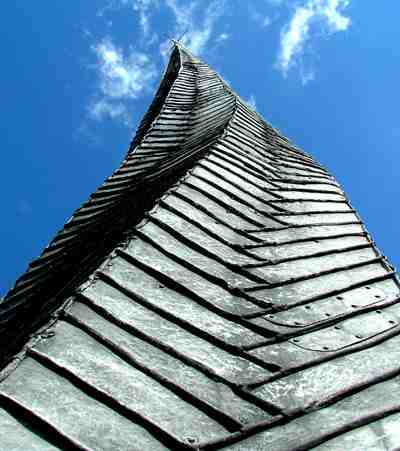
The town is best known for the parish church of St Mary and All Saints with its famous crooked spire, a distinctive landmark often used as a local emblem. Chesterfield Market, running in the town centre for many centuries, remains a focal point for shopping and weekly events. Other features include riverside areas, historic streets, and community cultural venues.
History and development
Chesterfield has medieval origins as a market and market-cross town. Over subsequent centuries it expanded through trade and industry. During the Industrial Revolution the surrounding area developed coal mining, manufacturing and engineering activity; many of those industries have since contracted or transformed, leaving a mixture of heritage sites and modern redevelopment.
Economy, transport and services
Today the town's economy combines retail, light industry, public services and small businesses. Chesterfield railway station lies on a main rail corridor connecting the town with nearby cities and national routes, while local roads link to other regional centres such as Leicester and Northampton. Canal restoration and riverside improvements are examples of ongoing local regeneration initiatives.
Culture, sport and community
Chesterfield supports a lively community life with festivals, markets and arts events. The local football club, known as the Spireites, is an important part of town identity. Parks, leisure facilities and local museums preserve and interpret the town's social and industrial history.
Regional context and links
As a Midland market town, Chesterfield sits among other towns such as Mansfield and serves as a gateway between urban centres and rural areas. Its combination of historic character, civic functions and proximity to recreational landscapes makes it a notable place within the wider East Midlands region.
Questions and answers
Q: Where is Chesterfield located?
A: Chesterfield is located in the East Midlands region of England.
Q: What are the other main cities in the East Midlands region?
A: The other main cities in the East Midlands region are Nottingham, Leicester, Lincoln, Derby, Northampton, and Mansfield.
Q: Is Chesterfield a small or large city?
A: Chesterfield is a major city in the East Midlands region of England.
Q: What is the geography of the East Midlands region?
A: The East Midlands region is located in central England and includes flatlands and rolling hills.
Q: What is the population of Chesterfield?
A: The population of Chesterfield is unclear from the given text.
Q: Is Chesterfield a coastal city?
A: No, Chesterfield is not a coastal city as it is located in central England.
Q: What is the significance of the cities in the East Midlands region?
A: The cities in the East Midlands region are significant because they are major economic and cultural centers in England.
Related articles
Author
AlegsaOnline.com Chesterfield, Derbyshire, England Leandro Alegsa
URL: https://en.alegsaonline.com/art/19373