
Chester W. Nimitz: U.S. Fleet Admiral and Pacific War Commander
Overview of Admiral Chester W. Nimitz (1885–1966): his background, rise in the U.S. Navy, leadership in the Pacific during World War II, and lasting legacy.
Chester W. Nimitz (1885–1966) was an American fleet admiral who became one of the principal architects of Allied naval success in the Pacific theater of World War II. Best known as Commander in Chief, U.S. Pacific Fleet (CinCPac) and Commander in Chief, Pacific Ocean Areas (CinCPOA), Nimitz supervised combined sea, air, and land operations across vast oceanic distances and managed the logistics that made the island campaigns possible. Further reading
Image gallery
10 Images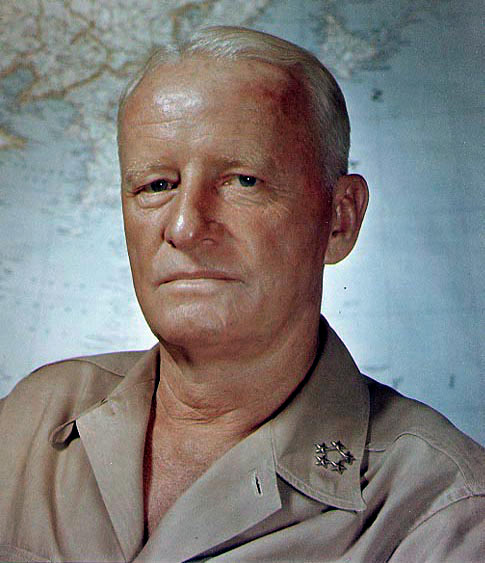



Early life and naval training
Nimitz was born in Fredericksburg, Texas, into a family of German-American heritage. He entered the United States Naval Academy and graduated in the class of 1905, beginning a long naval career that included early service aboard surface ships and in the submarine force. His technical competence and steady temperament gained recognition in both peacetime and conflict. Fredericksburg and Texas retained connections to his memory through museums and memorials. Naval Academy alumni records describe his early years.
Rise through the ranks and prewar experience
Before World War II, Nimitz served in a variety of staff and sea assignments that broadened his understanding of naval logistics, engineering, and command. Those assignments prepared him to coordinate multi‑domain operations. He assumed senior Pacific command shortly after the attack on Pearl Harbor and faced the immediate tasks of rebuilding naval strength and planning offensive operations. U.S. Navy histories outline these formative postings.
World War II leadership
As Commander in Chief of the Pacific, Nimitz emphasized industrial mobilization, training, and supply lines as much as combat tactics. He worked closely with fleet admirals and theater commanders to prosecute the campaign of island hopping that pushed Japanese forces toward the home islands. His decisions and delegation at critical battles — including Midway and the Solomon Islands campaign — helped reverse early Japanese gains. Official wartime records and analyses discuss his strategic approach and management of joint forces. Pacific War studies examine this period.
Later career and legacy
After the war Nimitz served as Chief of Naval Operations and remained a respected voice on naval affairs. He was promoted to the five‑star rank of Fleet Admiral during the war. His name endures on ships, museums, and public memorials, including a museum in his hometown that interprets the Pacific conflict and his role in it. Nimitz died in 1966 on Yerba Buena Island, San Francisco, after health complications; accounts note pneumonia and stroke as contributing factors. Health and death notices record these facts.
Key facts and recognitions
- Prominent roles: CinCPac and CinCPOA during World War II. Command summary
- Rank: Fleet Admiral (five‑star). Navy rank
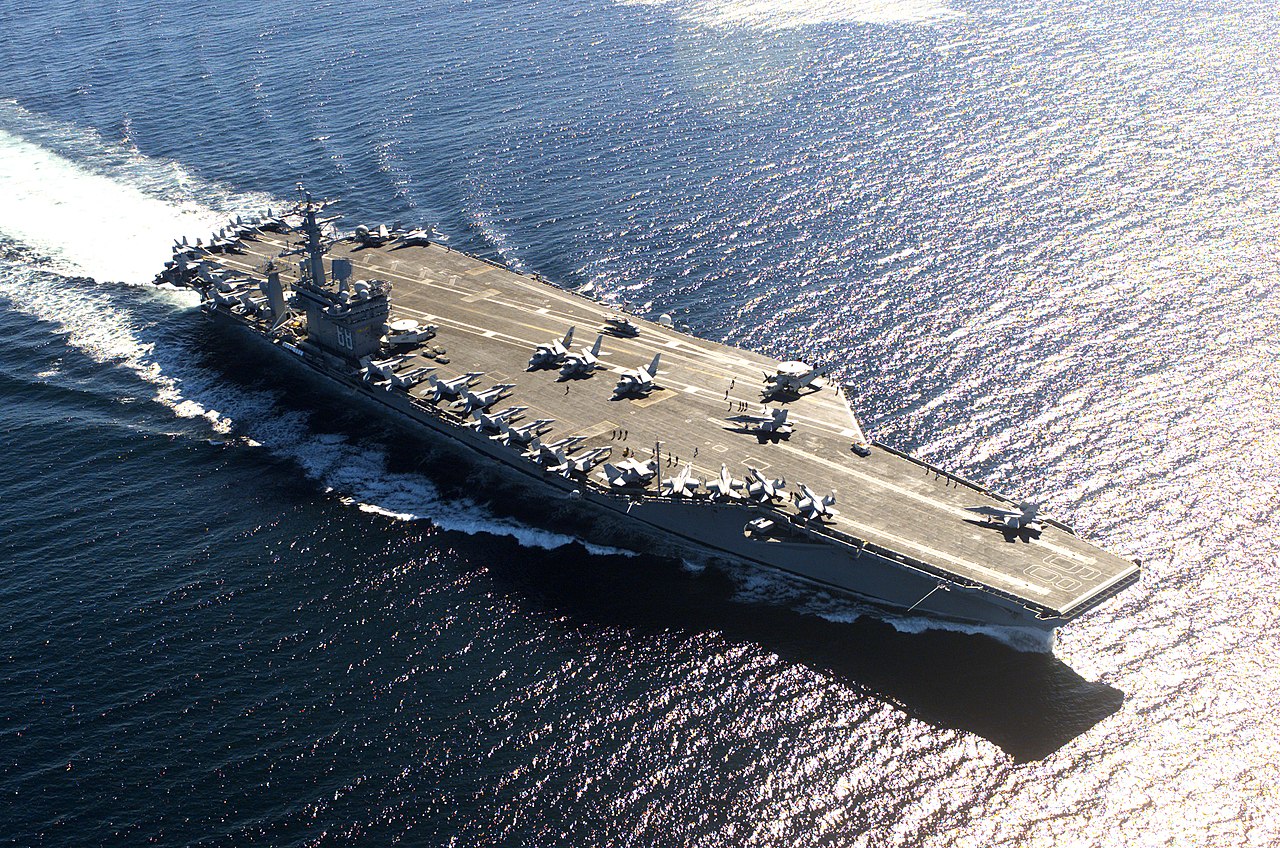
- Namesakes: major U.S. warship classes and public memorials honor his service. Texas connections
- Museum: National collections and a museum in Fredericksburg preserve his papers and artifacts. Museum
Nimitz is remembered for combining operational boldness with logistical mastery, qualities that proved decisive in maritime warfare across the Pacific. For an introduction to source materials and biographies consult the linked resources and archival collections. Pacific history and local memorials offer further context. More on his final years.
Related articles
Author
AlegsaOnline.com Chester W. Nimitz: U.S. Fleet Admiral and Pacific War Commander Leandro Alegsa
URL: https://en.alegsaonline.com/art/19369
Sources
- findagrave.com : Chester W. Nimitz