
Chester, Pennsylvania
Chester is a city on the west bank of the Delaware River in Delaware County, Pennsylvania. Historically an industrial center, it is the largest city in the county and sits between Philadelphia and Wilmington.
Chester is a city in Delaware County, Pennsylvania, located on the western bank of the Delaware River. As of the 2010 census the city had a population of about 33,972, making it the largest municipality by population in the county (2010 census). Chester lies roughly midway between Philadelphia and Wilmington, Delaware, and functions as a regional node on the Northeast corridor where urban, industrial and riverfront landscapes meet.
Image gallery
10 Images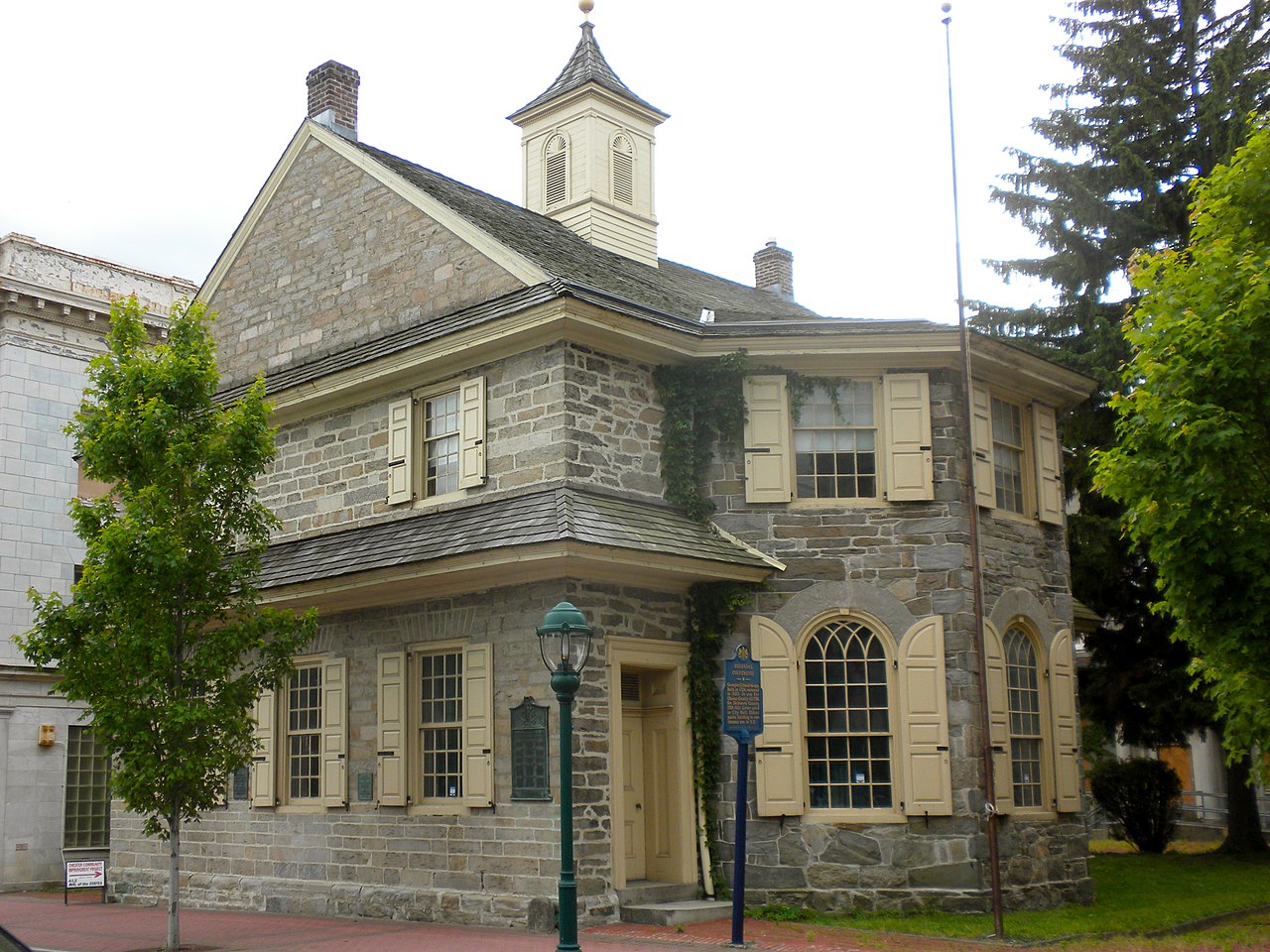

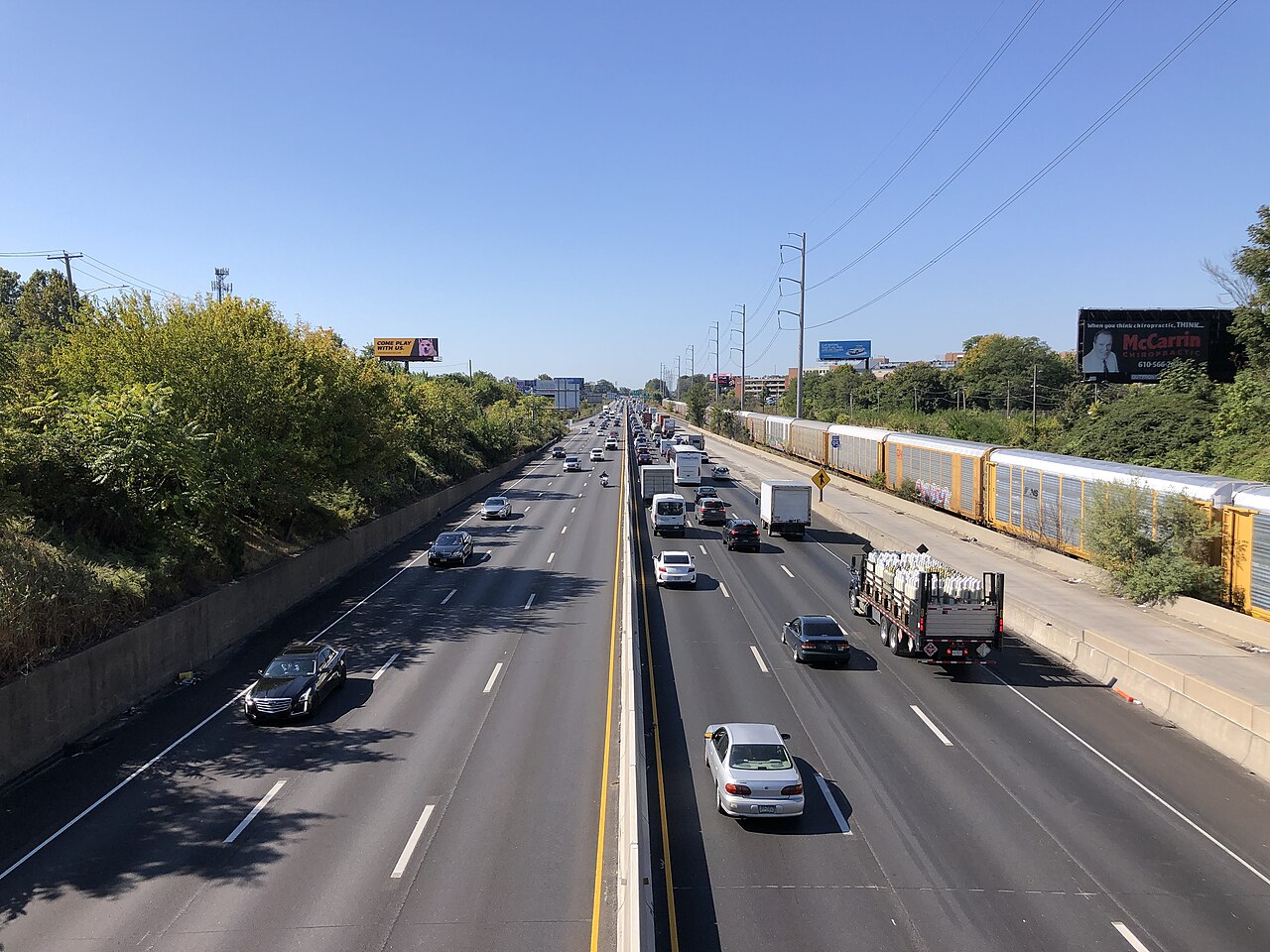
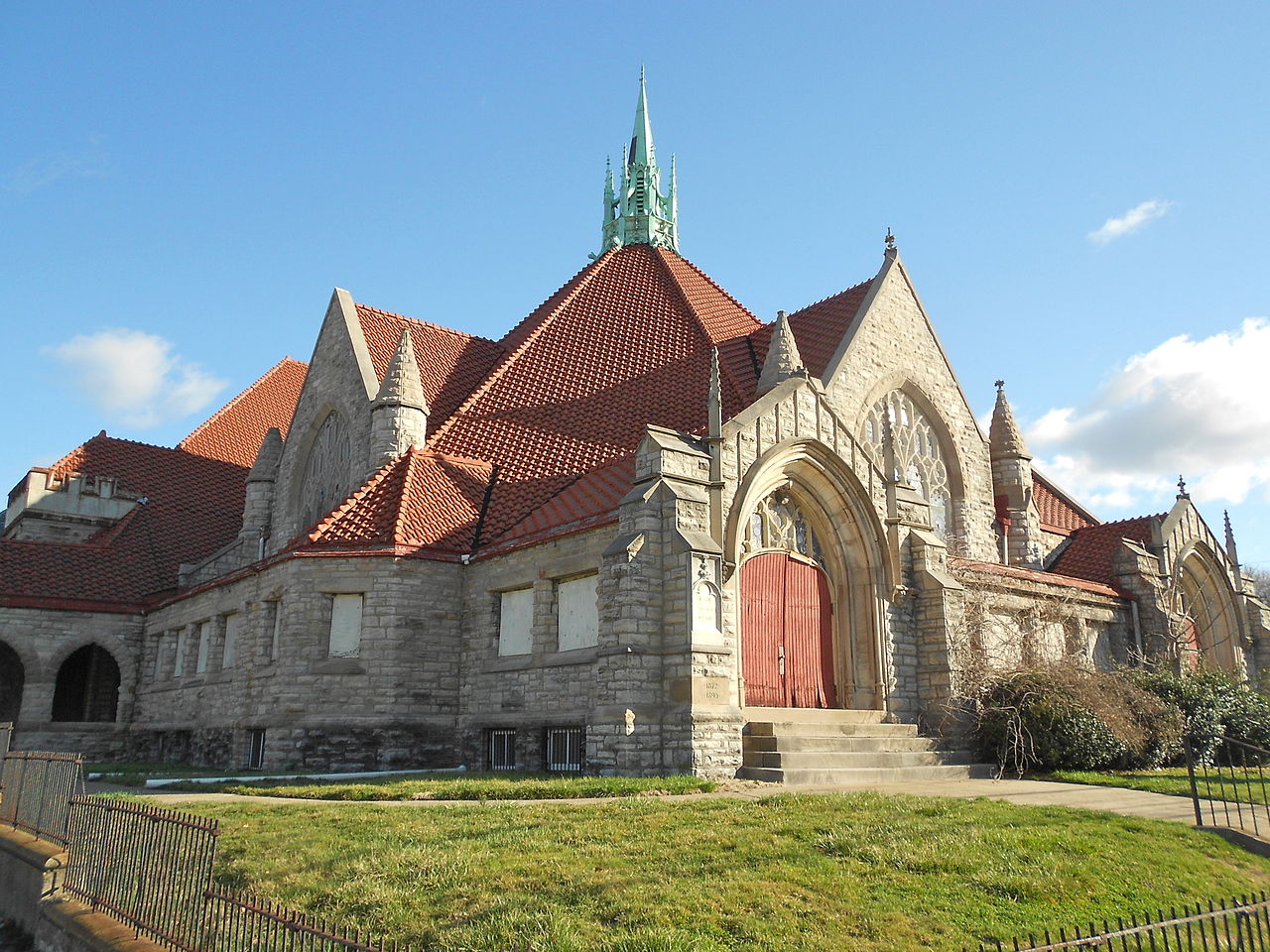

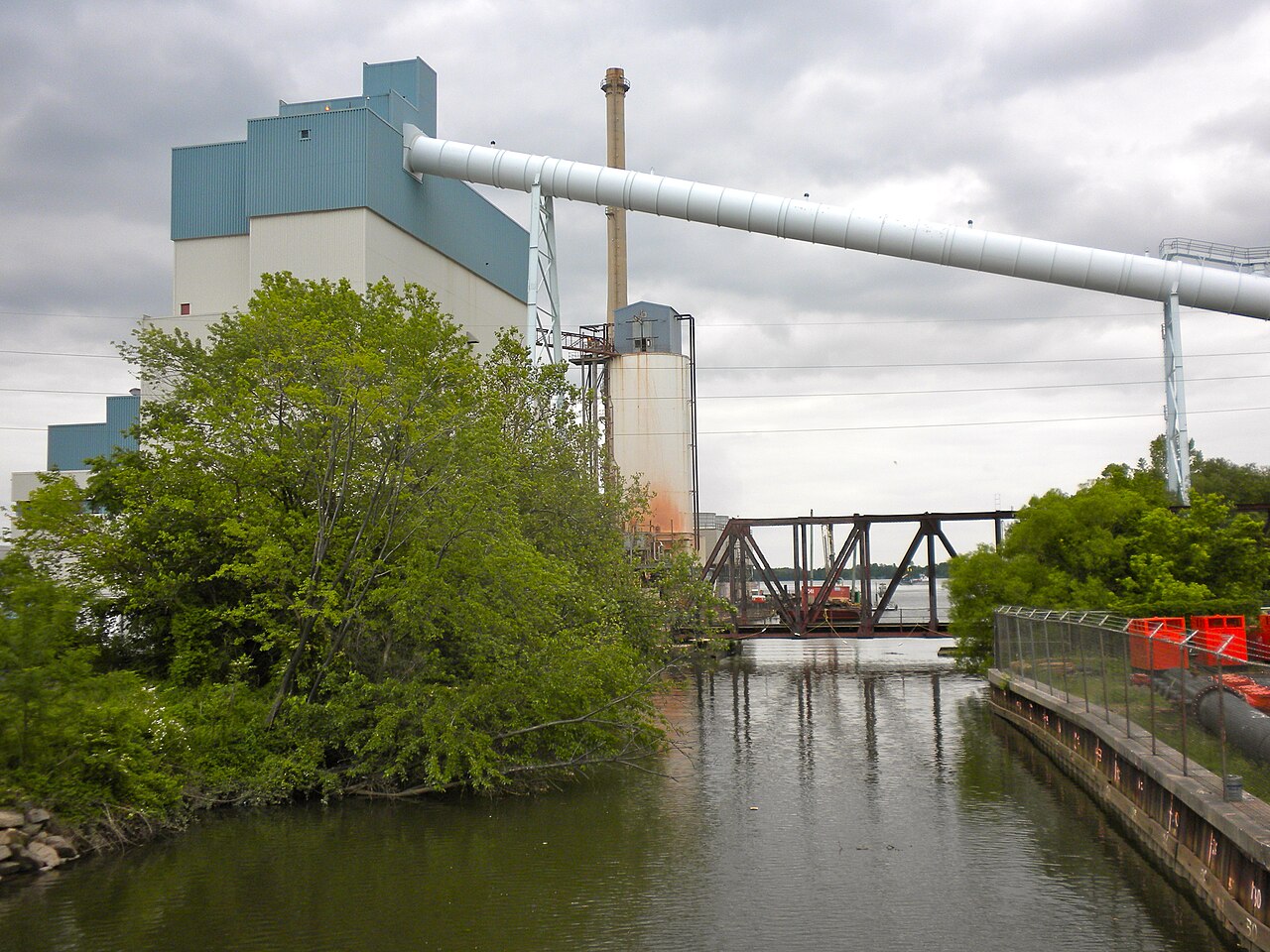


Geography and transportation
The city's riverfront location shaped its growth and economy. Chester sits at a working river and harbor with access to regional waterborne commerce and formerly extensive waterfront industry. Major roadways and commuter rail lines provide connections to nearby metropolitan areas; the city is served by regional transit that links to centers to the north and south, and by highways that follow the Delaware River corridor.
History
Chester is among the older European-settled places in the mid‑Atlantic region. Its origins date to the colonial period when the lower Delaware Valley saw early Swedish, Dutch and English settlement. Through the 18th and 19th centuries the town grew as a local market center and later as an industrial and shipbuilding center in the 19th and 20th centuries. The arrival of railroads and expanded manufacturing established Chester as an important industrial town, particularly for ship construction, manufacturing and associated trades.
Economy and redevelopment
Like many industrial cities, Chester experienced economic decline in the mid‑20th century as heavy industry contracted and jobs moved away. In recent decades efforts have focused on redevelopment of the waterfront, diversification of the local economy, and investment in community facilities. Riverfront parcels have attracted mixed commercial and entertainment uses, while local authorities and private partners have worked on housing, public infrastructure, and job programs aimed at revitalization.
Demographics, culture and institutions
Chester is a diverse community with long-established neighborhoods and institutions. Cultural life includes community arts programs, local museums and historical societies that preserve the city's industrial and colonial heritage. Public parks, riverfront promenades and recreational facilities are part of the city's attempts to improve quality of life for residents and visitors. Educational, health and social-service organizations play a significant role in the local economy and community networks.
Notable aspects
- Largest city by population in Delaware County and an early settlement on the Delaware River.
- Historic role as a shipbuilding and industrial center, shaped by rail and river access.
- Location midway between Philadelphia and Wilmington, making it part of a larger metropolitan corridor.
- Ongoing waterfront redevelopment and community revitalization efforts intended to transition the local economy.
For further statistical and civic information, consult regional planning resources and census records; many contemporary maps and transit guides also show Chester's role in the wider Delaware River corridor and its links to neighboring cities (demographic data, river and port information). These resources help place Chester's history and present-day initiatives in a broader regional context.
Related articles
Author
AlegsaOnline.com Chester, Pennsylvania Leandro Alegsa
URL: https://en.alegsaonline.com/art/19365
Sources
- factfinder.census.gov : "Geographic Identifiers: 2010 Demographic Profile Data (G001): Chester city, Pennsylvania"