
Chemung River: Overview, course, history, and ecological importance
The Chemung River is a 46-mile tributary of the Susquehanna River in southern New York and northern Pennsylvania, draining the northern Allegheny Plateau and supporting regional industry, recreation, and wildlife.
Overview
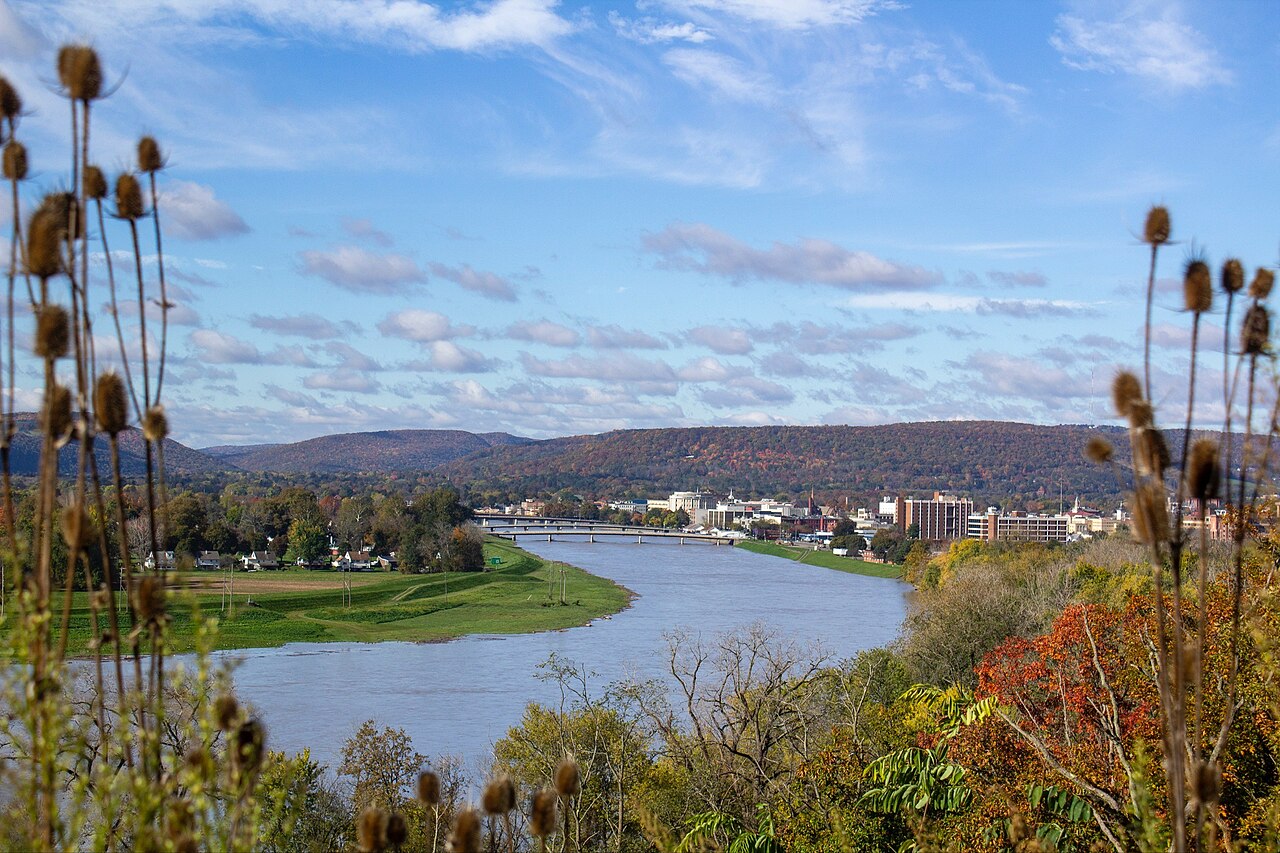
The Chemung River is a principal tributary of the Susquehanna River in the United States. Measuring roughly 46 miles (about 74 km) in length, the river runs through New York's Southern Tier and into northern Pennsylvania. It drains a portion of the northern Allegheny Plateau, collecting water from a network of streams and smaller rivers before joining the Susquehanna downstream. The river has played an important role in local settlement, transportation and industry for more than two centuries. For context, it is one of the rivers that helps feed the larger Susquehanna River system and is identified regionally as a Susquehanna River tributary.
Image gallery
9 Images


Course and physical characteristics
The Chemung is formed by the joining of two larger branches in the Corning–Painted Post area; from there it flows generally east-southeast past communities such as Corning and Elmira and crosses into Pennsylvania before meeting the Susquehanna near Sayre. The valley it occupies reflects a landscape shaped by Appalachian Plateau topography and Pleistocene glaciation, with a mix of steep-sided hollows and broader floodplain reaches. Its flow regime varies seasonally with spring runoff, summer low flows, and occasional dramatic flood events.
Major tributaries and watershed
- Primary contributing rivers include the Tioga and Cohocton systems, among others.
- The river drains a largely rural watershed with agricultural lands, woodlands, and pockets of urban and industrial development.
- As part of the Susquehanna basin, waters from the Chemung ultimately continue toward the Chesapeake Bay.
History and human use
Indigenous peoples, including nations of the Iroquoian-speaking peoples, inhabited the Chemung valley for centuries; the river’s name is believed to derive from a Native American word. European-American settlement intensified in the late 18th and 19th centuries. In the 1800s the river corridor supported commerce and transportation—most notably via local canal and early railroad projects that linked inland communities to broader markets. The 19th-century Chemung Canal, for example, helped connect the region to the New York canal network and the Erie Canal trade routes.
Ecology, recreation, and environmental issues
The Chemung watershed supports varied aquatic and riparian habitats. Cold-water tributaries sustain trout and other species prized by anglers, while warmer reaches host bass and panfish. Recreational boating, fishing, and riverside trails are common uses. Industrial activity and urban runoff have historically affected water quality in some stretches, prompting monitoring, cleanup and conservation efforts by state agencies and local groups. Federal and state stream gauges and watershed partnerships monitor flows and coordinate responses to pollution and habitat needs.
Flooding, management, and notable facts
The river is also known for periodic flooding; major storm events have caused significant damage in valley communities, which in turn spurred the development of flood-control measures and improved emergency planning. Local economies still reflect the river’s influence—from manufacturing sites that developed beside the water to modern recreation and conservation initiatives. The Chemung connects two states—central New York and northern Pennsylvania—and remains an important tributary within the greater Susquehanna watershed.
Tags
Related articles
Author
AlegsaOnline.com Chemung River: Overview, course, history, and ecological importance Leandro Alegsa
URL: https://en.alegsaonline.com/art/19215
Sources
- geonames.usgs.gov : "Chemung River"
- pubs.usgs.gov : Water Resources Data New York Water Year 2003, Volume 3: Western New York
- viewer.nationalmap.gov : The National Map