
Chefchaouen — the Blue City in Morocco's Rif Mountains
Chefchaouen is a historic mountain town in northwestern Morocco, known for its blue-washed medina, Andalusian and Berber heritage, and role as a regional cultural and hiking destination.
Overview
Chefchaouen, often called the "Blue City," is a small historic town set in the Rif Mountains of northwestern Morocco. It is a well-known tourist destination admired for its distinctive blue-painted buildings, narrow alleys, and relaxed pace of life. The town functions as a regional hub for visitors exploring the surrounding mountains and coastline.
Image gallery
10 Images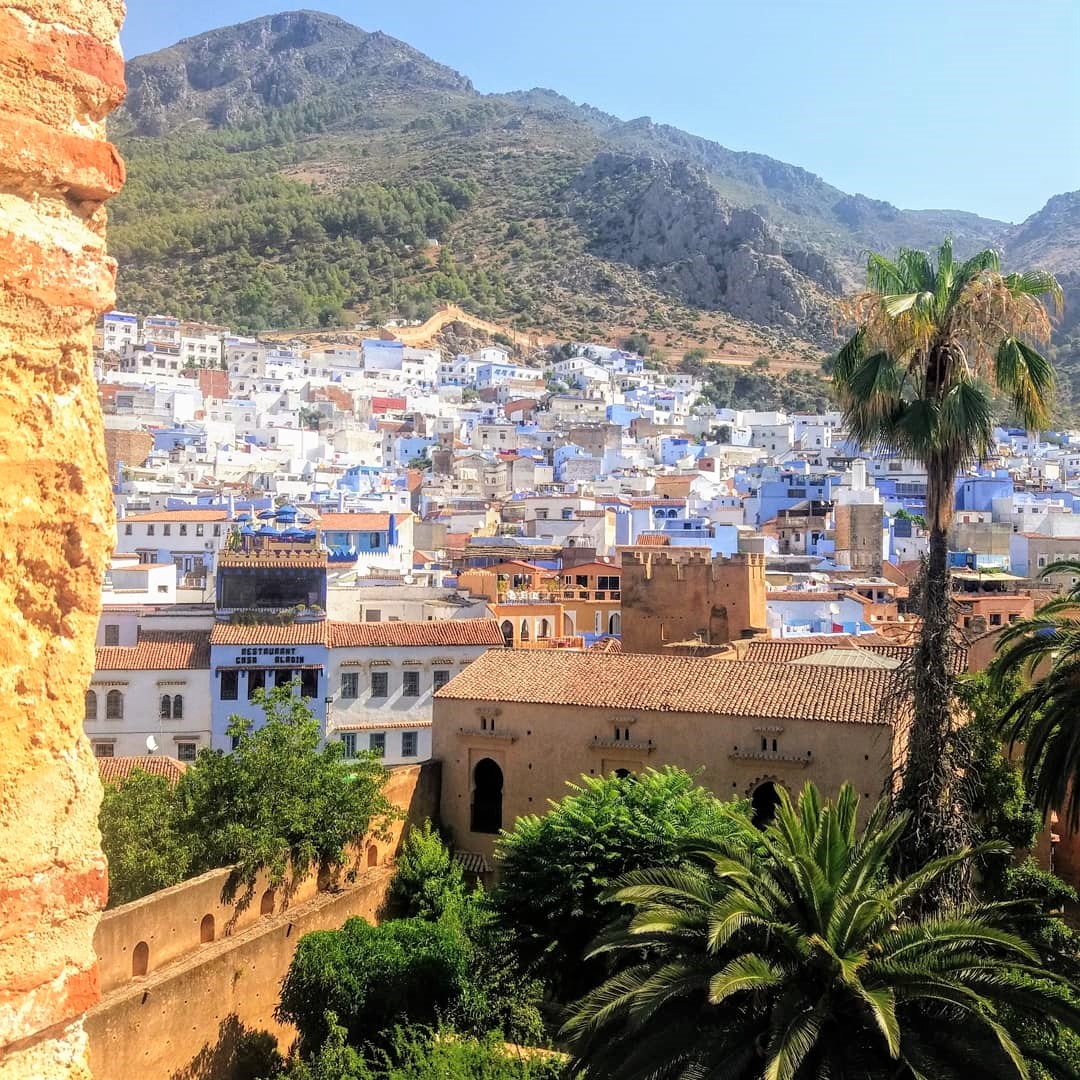


Appearance and urban character
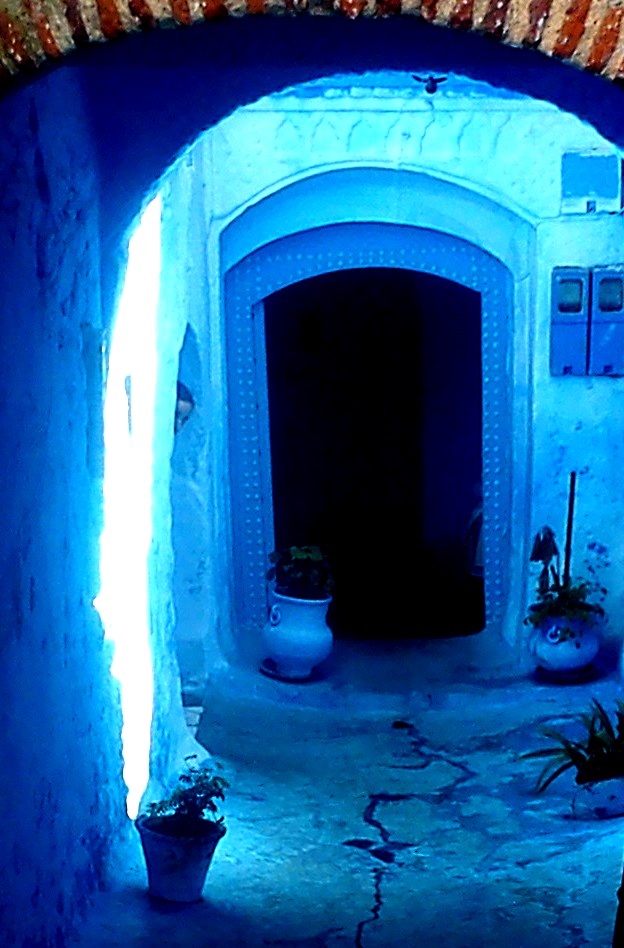
The core of Chefchaouen is a compact medina whose streets are lined with houses, shops and small riads painted in shades of blue and white. The blue hues, which give the town its nickname, are maintained by residents and business owners; explanations range from religious or symbolic traditions to practical reasons such as cooling and mosquito deterrence. A central plaza and a restored kasbah provide focal points for daily life, while local markets offer textiles, handicrafts and regional food.
History and population
Founded in the late medieval period as a mountain stronghold, Chefchaouen grew through successive waves of settlers. After the Iberian conflicts of the Late Middle Ages, many Muslim and Jewish exiles from the Iberian Peninsula settled in parts of Morocco, contributing to the town's Andalusian cultural influence. Indigenous Amazigh (Berber) communities have long inhabited the surrounding Rif region, and their language and traditions remain visible in local life. The town's layered history is reflected in its architecture and cultural mix.
Economy, culture and tourism
Tourism is a major economic driver, with visitors attracted by the medina's colors, artisan crafts, and access to hiking trails. Local artisans produce woven goods, pottery and leatherwork. Restaurants and small guesthouses cater to international visitors, while seasonal festivals and markets highlight regional music and cuisine. The town also serves as a practical base for treks into the Rif Mountains and day trips to nearby coastal towns.
Geography and activities
Perched on rugged slopes, Chefchaouen offers nearby walking routes, viewpoints, and natural springs that contrast with the tightly knit medina. Outdoor activities include guided hikes, nature walks and visits to rural villages that showcase traditional mountain agriculture. The landscape and mild climate make the area attractive for ecotourism and cultural exploration.
Notable facts and distinctions
- The town's blue palette has multiple suggested origins and remains one of its most photographed features.
- Chefchaouen's mix of Amazigh, Andalusian and Jewish influences gives it a distinctive heritage among Moroccan towns; visitors may encounter references to its historical connections with Jews and Moriscos.
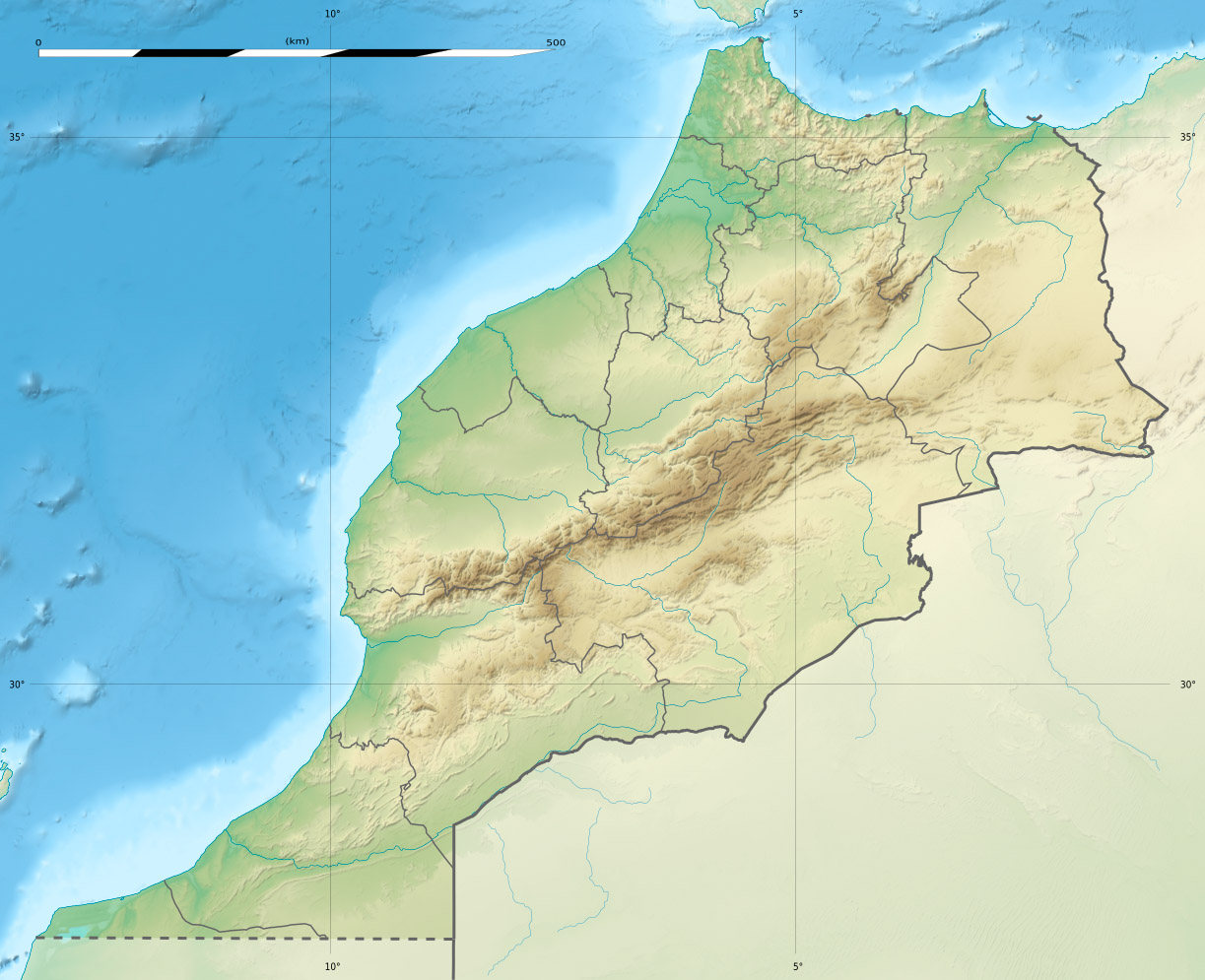
- Its mountain setting in the Rif Mountains places it in northern north Africa's Maghreb region, and the town's history is linked to movements across the Mediterranean after the era of the Reconquista and contacts with Spanish territories.
For visitors and scholars alike, Chefchaouen illustrates how geography, migration and local tradition combine to shape a place's identity. Its striking visual character, small‑scale economy and mountain surroundings make it a prominent example of Morocco's regional diversity.
Related articles
Author
AlegsaOnline.com Chefchaouen — the Blue City in Morocco's Rif Mountains Leandro Alegsa
URL: https://en.alegsaonline.com/art/19121