
Chef salad (chef's salad): composition, history and common variations
A hearty mixed salad of greens topped with meats, cheese, eggs and vegetables. Popular in American dining, it functions as a main-course salad with many dressings and regional variations.
The chef salad (often written chef's salad) is a composed, main-course salad built on a bed of leafy greens and finished with a selection of proteins, cheese and vegetables. Designed to be a complete meal rather than a simple side, it is widely offered in restaurants, diners and home kitchens. Presentation varies from informal tossed preparations to more structured plated arrangements intended to show each component.
Image gallery
5 Images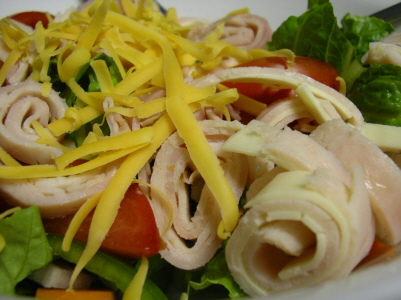


Typical ingredients
While recipes differ, a classic chef salad normally includes a lettuce or mixed-green base topped with sliced or diced items that provide texture and protein. Common components are:
- Leafy greens such as iceberg, romaine or mixed mesclun;
- Cooked proteins like ham, turkey, roast beef or sliced chicken;
- Cold, hard-cooked eggs such as hard-boiled eggs or quartered eggs;
- Cheese (Swiss, cheddar, or similar), and sliced vegetables like tomatoes and cucumbers;
- Crunch elements such as croutons or toasted nuts.
Dressings and service
Thousand Island dressing is commonly associated with the chef salad in many menus, but it is frequently served with a range of alternatives: vinaigrettes, ranch, blue cheese or a simple oil-and-vinegar. The choice of dressing can shift the salad’s flavor profile from creamy and rich to bright and acidic. Because the dish is protein-forward, it is often treated as a lunch or light dinner rather than an appetizer.
History and development
The chef salad emerged in American cuisine in the early 20th century as restaurants and homes sought portable, composed meals that combined greens with the popular cold cuts and cheeses of the time. It became particularly associated with cafes and luncheonettes, where it was valued for being both familiar and adaptable. Over the decades the recipe absorbed regional preferences and available ingredients, resulting in many local interpretations.
Variations and dietary notes
Variations include vegetarian versions that substitute grilled tofu or beans for meat, low-fat or dairy-free adaptations that adjust cheeses and dressings, and international spins that incorporate regional cured meats or spice blends. The chef salad tends to be higher in calories and protein than simple green salads, so portion size and dressing choice are common levers for nutritional control.
Notable features of the chef salad are its flexibility and its role as a practical plated meal: components can be arranged to emphasize color and texture, and the salad can be scaled up for family service or simplified for quick service. As with many classic composed salads, the chef salad remains a staple because it balances convenience, nourishment and variety.
Related articles
Author
AlegsaOnline.com Chef salad (chef's salad): composition, history and common variations Leandro Alegsa
URL: https://en.alegsaonline.com/art/19119