
Chebanse, Illinois
Chebanse is a small village in Illinois, United States, located in Kankakee and Iroquois counties. It is a rural community with agricultural roots and a local civic identity.
Chebanse is a village in the U.S. state of Illinois. The community lies in both Kankakee and Iroquois counties near the eastern edge of the state and is part of a rural region characterized by farmland and small towns. For official or local information see the village or regional resources: Chebanse village, Illinois state, and national references.
Image gallery
1 Image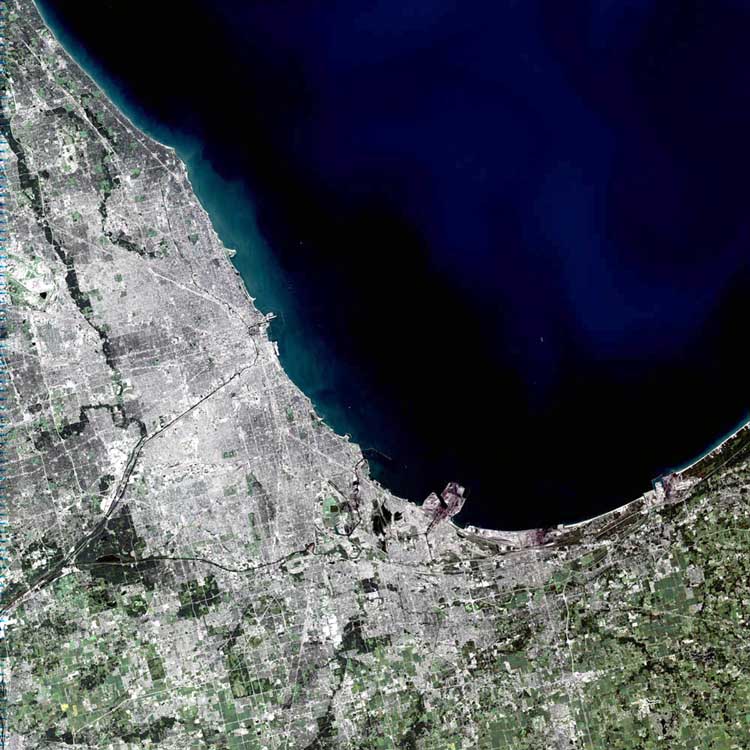
Overview and setting
Chebanse is a compact municipality whose identity is shaped by agriculture and by its proximity to larger county seats and transportation corridors. Its landscape is primarily agricultural, with residences, churches, and small businesses clustered along the main streets. The village functions as a local center for surrounding farms and as a residential base for people who commute to nearby employment centers.
History
The village traces its origins to the 19th century, when settlement and development in this part of Illinois expanded with westward migration and improvements in road and rail connections. Its name comes from Native American origins and reflects the region's indigenous heritage. Like many Midwestern villages, Chebanse grew as agriculture established permanent farms and small-scale commercial services to support rural life.
Community, economy and services
Local economic activity centers on farming, agribusiness support, and small retail or service businesses. Community life typically includes local schools, volunteer organizations, churches, and seasonal events that bring residents together. Municipal services are provided at the village level, with additional support from county governments for health, safety and infrastructure.
Characteristics and notable facts
- Small population and rural character, with a close-knit community feel.
- Geographic location near the Illinois–Indiana border and accessible to larger towns for shopping and services.
- Historical roots in 19th-century settlement and agriculture, with a name reflecting Native American influence.
Visitors and researchers seeking more details can consult municipal records, county histories, or regional planning resources via the links above. The village exemplifies many small Midwestern communities whose everyday life revolves around farming, local institutions, and connections to nearby urban centers.
Related articles
Author
AlegsaOnline.com Chebanse, Illinois Leandro Alegsa
URL: https://en.alegsaonline.com/art/19084