
Bakot — Union Council in Abbottabad District, Khyber Pakhtunkhwa, Pakistan
Bakot is a union council in Abbottabad District, Khyber Pakhtunkhwa, Pakistan. This entry outlines its administrative role, geography, population, services, infrastructure and local development issues.
Overview
Bakot is one of the union councils that form part of Abbottabad District in the Hazara area of Khyber Pakhtunkhwa, Pakistan. As a union council, Bakot serves as the lowest tier of elected local government, representing a cluster of villages and hamlets. The council is typically the first formal contact point for residents seeking local services, civil registration and minor public works.
Image gallery
1 Image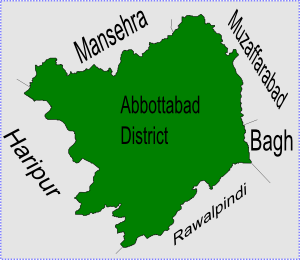
Administrative role and functions
Union councils perform basic administrative duties at village level. In Bakot these commonly include maintaining civil records (births, deaths and marriages), supporting primary education and basic health outreach, managing small maintenance projects for local roads and water supplies, and providing a forum for community dispute resolution and planning.
Geography and boundaries
Bakot lies within the generally hilly and often steep terrain characteristic of Abbottabad District. The area contains upland slopes, small valleys and rural settlements connected by local tracks and secondary roads. The local climate follows the wider Hazara pattern, with seasonal variation that affects agriculture and water availability.
Demography and culture
The population of Bakot reflects the district’s mix of communities. Local languages such as Hindko and Pashto are commonly spoken alongside Urdu. Social life is rooted in village networks, extended family ties and community institutions. Traditional festivals, local markets and religious observances form important aspects of civic life.
Economy and livelihoods
Local livelihoods in Bakot centre on small‑scale agriculture, livestock keeping and seasonal labour. Remittances from family members working elsewhere also contribute to household incomes. Small shops and services in larger settlements support daily needs, while periodic trade links connect Bakot to markets in Abbottabad town and beyond.
Education, health and services
Primary schools and basic health outreach services are usually available at the union council level, though access to secondary schools and more specialised medical care normally requires travel to larger towns. Public service delivery is a joint effort of union, district and provincial authorities, and community organisations often help fill gaps.
Transport and infrastructure
Infrastructure challenges common to Bakot include improving road links, ensuring reliable water supplies and enhancing electricity and telecommunications coverage. Seasonal weather and the hilly landscape can affect road maintenance and access during periods of heavy rain.
Local governance and participation
Residents participate in local governance through elected council members and community meetings. The council helps prioritise local projects, allocates modest resources for maintenance and collaborates with higher tiers of government for larger investments and development programmes.
Development challenges and initiatives
Key development priorities for areas like Bakot typically focus on improving education and health access, upgrading transport links, enhancing water and sanitation, and creating sustainable livelihood opportunities. Local and provincial initiatives, sometimes supported by non‑governmental organisations, aim to address these priorities over time.
Further information
For context on district and provincial arrangements that affect Bakot, see materials on Abbottabad District, provincial policy in Khyber Pakhtunkhwa and national governance frameworks in Pakistan. These resources explain how union councils fit into wider planning and service delivery systems.
Tags
Related articles
Author
AlegsaOnline.com Bakot — Union Council in Abbottabad District, Khyber Pakhtunkhwa, Pakistan Leandro Alegsa
URL: https://en.alegsaonline.com/art/8421
Sources
- abbottabad.sdnpk.org : Population - List of Union Councils District & Tehsil Abbottabad
- fallingrain.com : Falling Rain : Location of Bakot
- abbottabad.gov.pk : Bakote Union Council - Abbottabad Government website