
Charles Baudelaire: poet, critic, and architect of modern verse
French poet and critic (1821–1867) whose Les Fleurs du mal and essays reshaped poetry, introduced modern urban themes, and influenced Symbolism and modernism.
Overview
Charles Pierre Baudelaire (9 April 1821 – 31 August 1867) was a French symbolist and early modernist poet and influential art critic. Born in Paris, he is best known for his collection Les Fleurs du mal (The Flowers of Evil), first published in 1857. His output spans lyric poetry, critical essays and translations; his Salon reviews in the 1840s and later essays marked him as a sharp observer of contemporary art and urban life.
Image gallery
10 Images


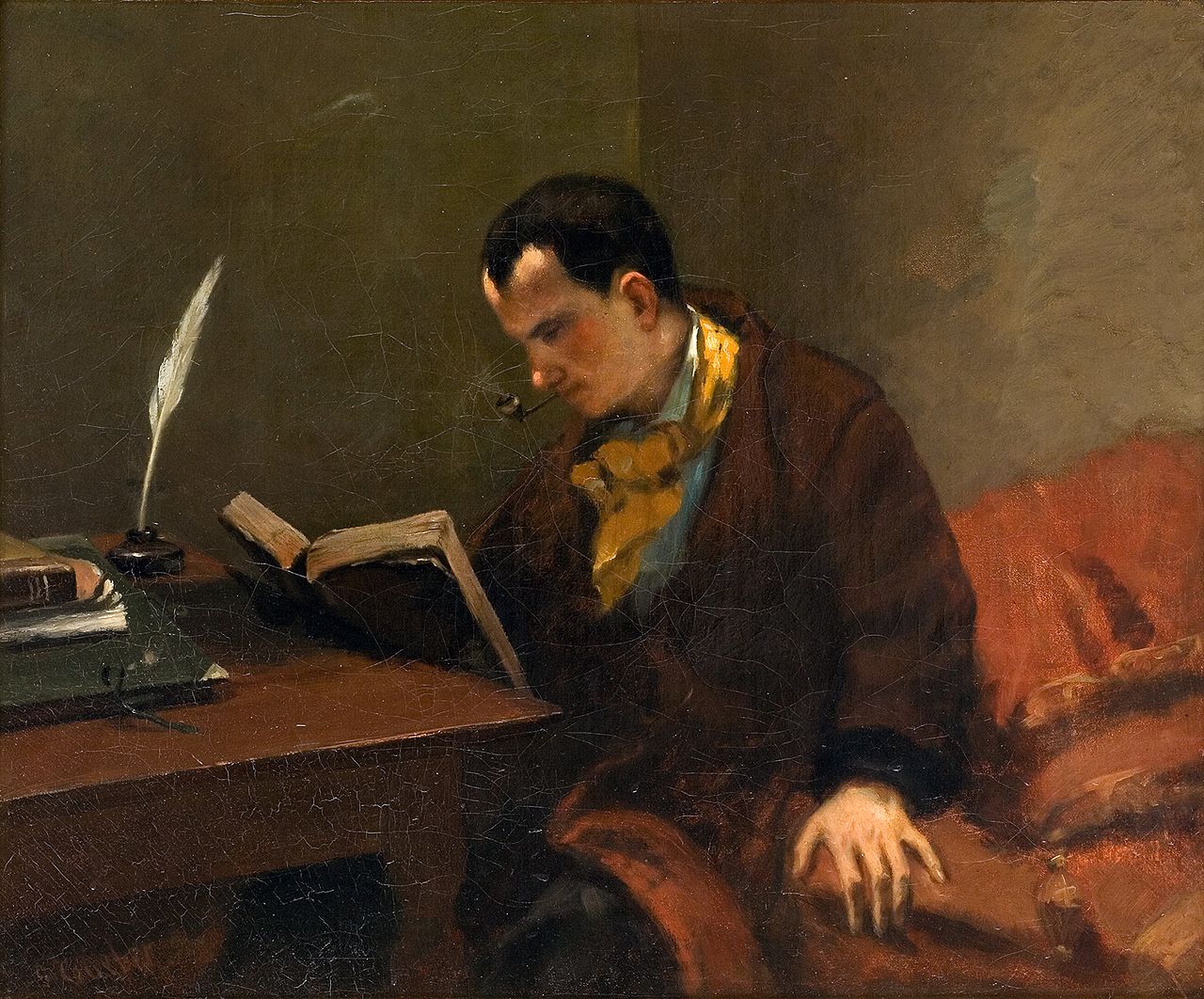

Style and themes
Baudelaire blended classical forms with modern subject matter. His poems frequently explore tensions between 'spleen' (melancholy) and the 'ideal', the coexistence of beauty and decay, and the sensory experience of the modern city. He used rich metaphors, musical phrasing and the idea of "correspondences"—a synesthetic link between senses and ideas—to give his verse a suggestive, often uncanny atmosphere.
Rather than the heroic or pastoral concerns of earlier schools, his work turned attention to urban anonymity, fleeting impressions and inner states, helping shift French poetry toward the more allusive and symbolist modes adopted by later writers.
Publication and controversy
The 1857 publication of Les Fleurs du mal provoked scandal. Authorities brought a legal case alleging offense to public morality and some poems were censured; those deletions affected the book's immediate reception and shaped public debate about art and decency. Over time the collection became a cornerstone of modern literature and a subject of intense scholarly study.
Criticism, translation and influence
As a critic, Baudelaire argued that modern life and fleeting impressions were legitimate subjects for art. He translated English‑language fiction—most notably the works of Edgar Allan Poe—into French, significantly raising Poe's profile in Europe. His essays on painting and modernity championed attentiveness to contemporary scenes and to the artist's role as observer.
Baudelaire suffered poor health and financial strain in his later years and died in 1867. His reputation grew after his death; generations of poets, critics and artists cite him as a pivotal figure in the transition from 19th‑century Romanticism and Realism toward Symbolism and modernist experimentation.
Notable facts
- Major work: Les Fleurs du mal (1857), with themes of decadence, eroticism and modern urban life.
- Innovations: compressed imagery, musicality of verse, and the use of symbolic correspondences.
- Roles: poet, critic and translator—important in popularizing Edgar Allan Poe in France.
- Controversy: the original edition faced prosecution and partial suppression, which influenced debates about art and morality.
Related articles
Author
AlegsaOnline.com Charles Baudelaire: poet, critic, and architect of modern verse Leandro Alegsa
URL: https://en.alegsaonline.com/art/18692
Sources
- assets.cambridge.org : "Charles Baudelaire, a life in writing"