
Charles-Augustin de Coulomb
French physicist and engineer whose experiments founded classical electrostatics; the unit of electric charge (the coulomb) and his law describing electrostatic force bear his name.
Charles-Augustin de Coulomb (14 June 1736 – 23 August 1806) was a French physicist and engineer best known for establishing the quantitative foundations of electrostatics. Through careful laboratory experiments he showed how forces between charged bodies depend on the amount of charge and on the distance separating them. For a concise biographical overview see biographical resources.
Image gallery
6 Images


Major contributions
Coulomb devised sensitive torsion-balance experiments that produced the first precise measurements of electrical forces. From these results emerged what is now called Coulomb's law: the electrostatic force between two small charged objects is proportional to the product of their charges and decreases with the square of the distance between them. His work on electricity and magnetism influenced later theoretical developments in electrodynamics and provided a practical foundation for electrical measurement; more on his studies of electricity and magnetism is available in specialist references.
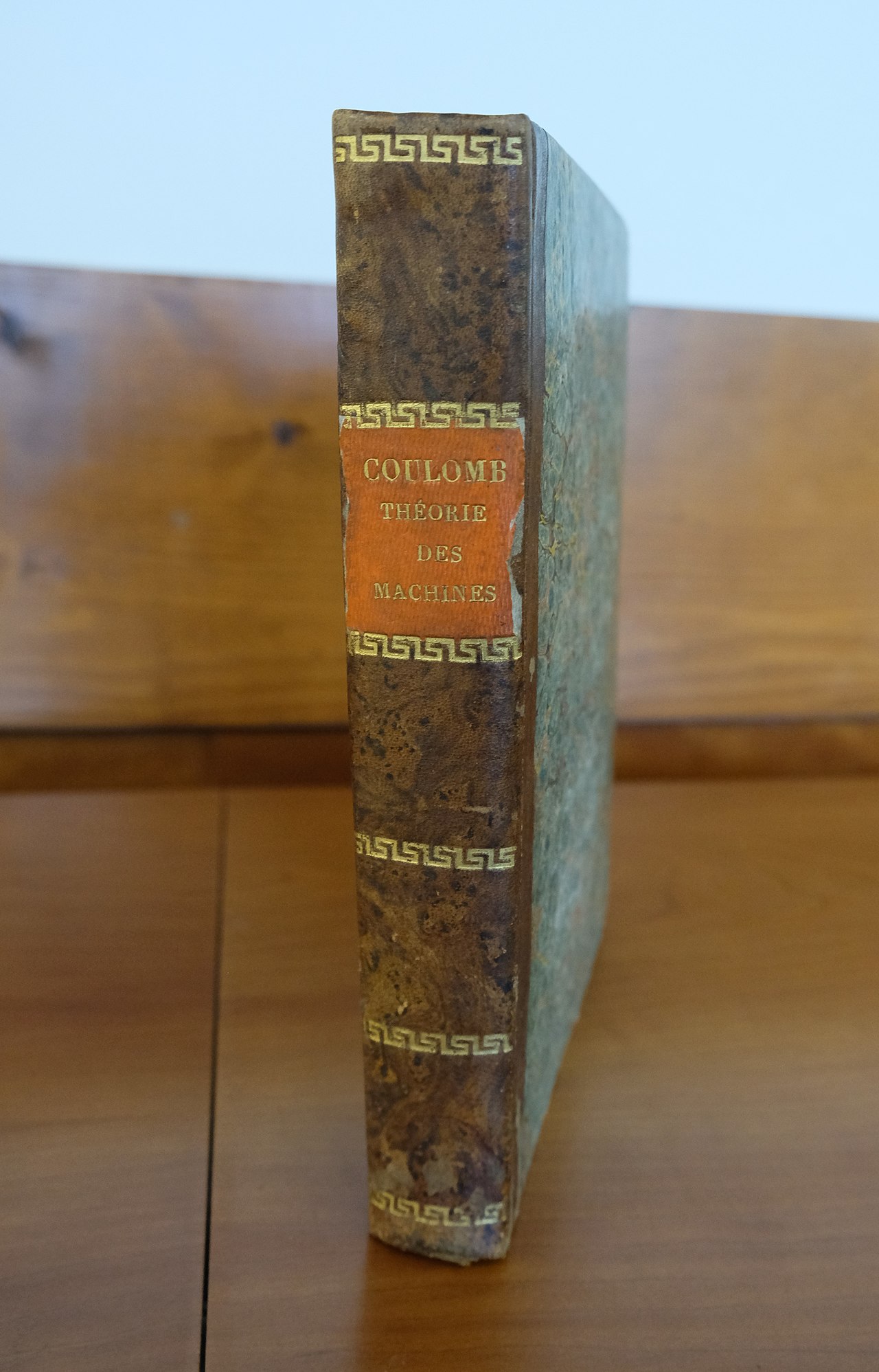
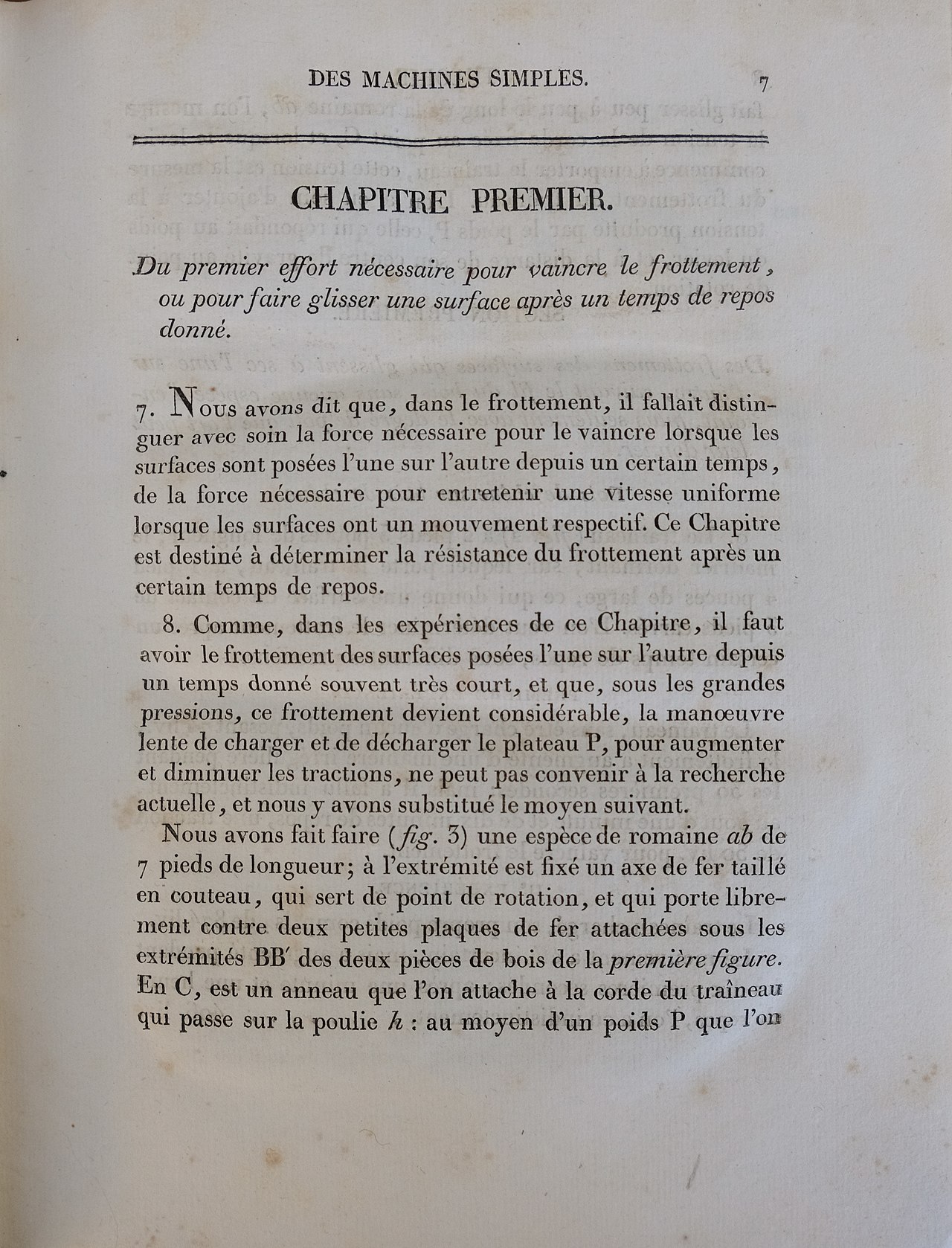
Beyond electrostatics, Coulomb investigated friction and the mechanical behavior of materials. He published experimental and theoretical studies of dry friction and the resistance of fluids, contributing to early tribology and mechanics. These inquiries reflected his engineering training and interest in practical problems of material behavior and machine performance.
Why his name matters
- Unit of charge: The SI unit of electric charge is named the coulomb, which denotes a defined quantity of electric charge used throughout science and engineering.
- Foundational law: Coulomb's law remains a basic principle in electrostatics and a stepping stone toward modern electromagnetic theory.
- Recognition: His contributions are commemorated in many ways, including his name among the notable scientists inscribed on the Eiffel Tower.
- Standards and practice: The decision to name the SI unit with his name reflects the lasting importance of his experimental methods and quantitative approach; see institutional histories of the SI unit system for context.
Coulomb's work exemplifies the transition from qualitative natural philosophy to quantitative experimental science in the late 18th century. His careful measurement techniques and clear statements about force laws helped make electricity a subject that could be treated mathematically and applied to technology. Today his legacy is visible in the language of physics textbooks, the units used in laboratories, and the conceptual foundations taught to students of electromagnetism.
Related articles
Author
AlegsaOnline.com Charles-Augustin de Coulomb Leandro Alegsa
URL: https://en.alegsaonline.com/art/18689
Sources
- biography.com : Charles de Coulomb - Physicist, Scientist - Biography.com