
Changhua County (Taiwan)
Changhua County is a coastal county in west-central Taiwan. Its capital is Changhua City; population about 1.3 million. Known for fertile plains, historical Lukang, Baguashan Great Buddha and temple culture.
Overview
彰化縣 (pinyin: Zhānghuà Xiàn) is a county on the west-central plain of Taiwan. It is the smallest county on Taiwan's main island by land area, although some outlying islands are organized as smaller counties. The county seat is Changhua City. About 1.3 million people live in the county, making it one of the most populous counties on the island and second in population only to Taoyuan City.
Image gallery
10 Images

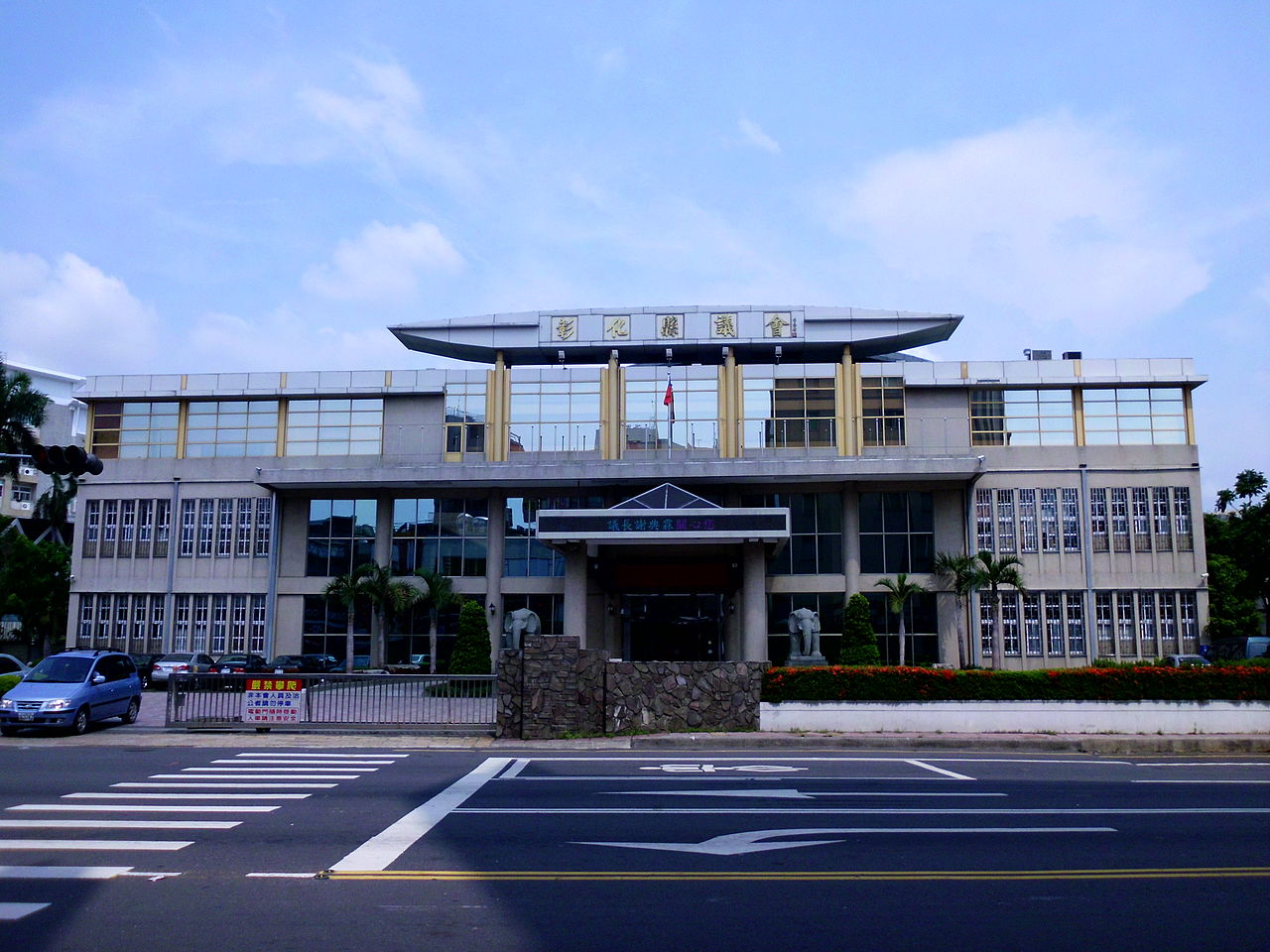


Geography and administration
Changhua occupies part of the broad agricultural plains that stretch along Taiwan's western coast and rises toward low foothills such as Baguashan (Bagua Mountain). It borders other central-western counties and is linked to nearby urban centers by road and rail. Administratively, the county comprises a mix of urban cities, suburban districts and rural townships; Changhua City and several other towns serve as local commercial hubs for surrounding farming areas.
History and cultural heritage
The county has deep historical roots in Taiwan's settlement and maritime trade eras. Lukang, on the western shore, developed as an important port and cultural center in earlier centuries and retains many historic temples, narrow streets and traditional crafts. Throughout Changhua, temples, ancestral halls and community festivals reflect the blend of religious, folk and commercial life that shaped the region.
Economy, transport and land use
Fertile soils and extensive flat land have long supported rice, vegetables and fruit cultivation, and agriculture remains an important part of the local economy. At the same time, Changhua has diversified into light manufacturing, food processing and service industries concentrated in urban areas. The county is served by a network of highways and regional rail that provide links to larger metropolitan centers, enabling commuting, trade and tourism.
Language, culture and cuisine
Mandarin is the official language of government and schools, while Taiwanese Hokkien and Hakka are commonly spoken in daily life. Local culture emphasizes temple festivals, traditional crafts and community celebrations. Changhua is also known for its local snacks and street‑food traditions; visitors will find markets and small eateries offering regional specialties rooted in the county's culinary history.
Notable places and distinctions
- Lukang Old Street and its historic temples—an important cultural preservation area popular with visitors.
- Baguashan (Bagua Mountain) and the large reclining Buddha and observation points that overlook the plains.
- Changhua Roundhouse and railway heritage sites illustrating the county's transport history.
- A landscape shaped by productive farmland, making Changhua a significant supplier of agricultural produce to nearby cities.
As a county that combines dense population centers with extensive agricultural land and notable historical towns, Changhua plays a distinctive role in Taiwan's regional geography and cultural landscape. It is frequently visited for its historical streets, temple architecture and the mix of rural and urban Taiwanese life.
Related articles
Author
AlegsaOnline.com Changhua County (Taiwan) Leandro Alegsa
URL: https://en.alegsaonline.com/art/18553