
Changdeokgung — Joseon palace, Huwon (Secret Garden), and World Heritage site
Changdeokgung is a principal Joseon-era palace in Seoul, celebrated for its harmonious architecture, integrated landscape design and the Huwon (Secret Garden). It is preserved as a protected cultural site and tourist destination.
Overview
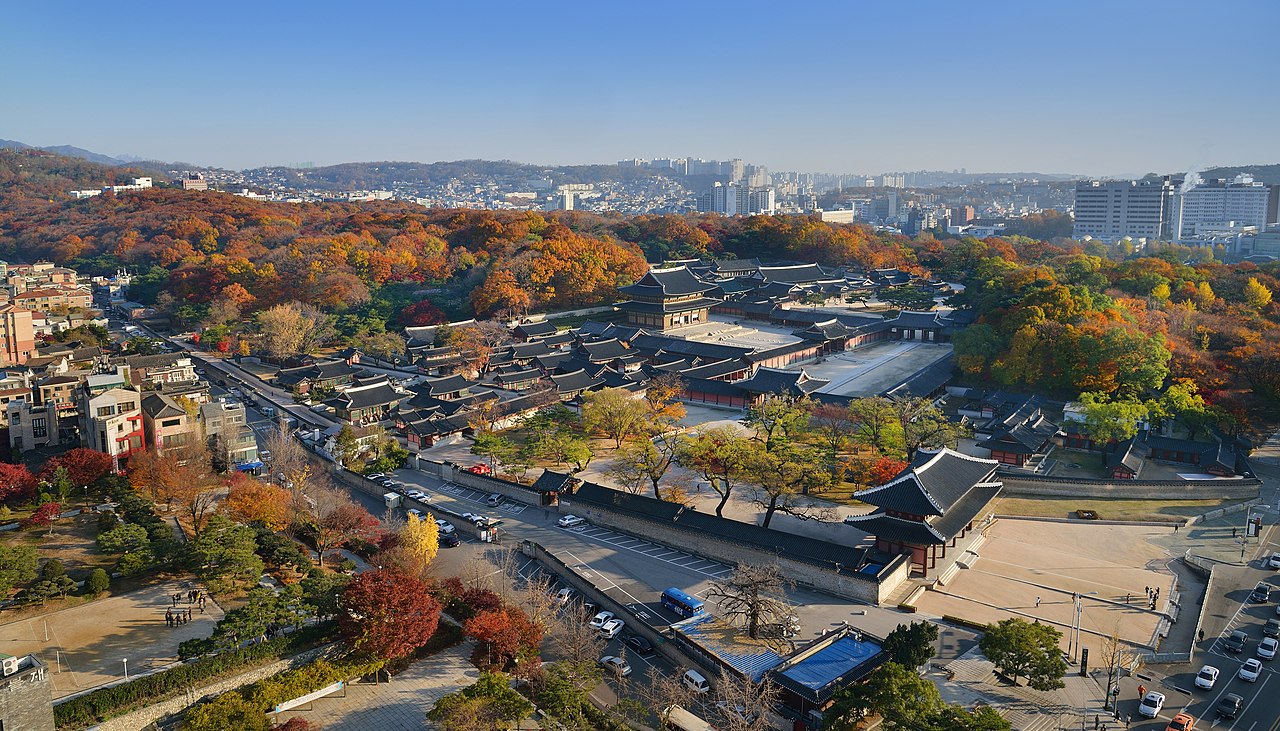
Changdeokgung, often shortened to Changdeok Palace, is one of the historic grand palaces of the Joseon dynasty located in present‑day Seoul, South Korea. Its name is commonly translated as the "Palace of Prospering Virtue." Constructed in the early 15th century, Changdeokgung developed into an important royal residence and administrative center at various times in Joseon history. The complex is well regarded for the way its buildings and garden follow the natural topography of the site, blending architecture and landscape in a manner that has been recognized internationally.
Image gallery
10 Images



Origins and historical development
Initial construction of Changdeokgung began under King Taejong in the early Joseon period and was completed within the first decades of the dynasty. Over the following centuries the palace was expanded, repaired and modified to support court life, ceremonial functions and the private needs of monarchs and their families. Changdeokgung served as the principal residence for many Joseon kings and was the scene of political, cultural and ceremonial activity central to the capital.
The palace suffered major damage during the Japanese invasions of the late 16th century and was rebuilt in the early 17th century. It experienced further damage and alterations in the late 19th and early 20th centuries, including losses during the period of Japanese colonial rule. A comprehensive conservation and restoration effort in the late 20th century sought to repair historic fabric and to recover earlier spatial relationships among buildings and gardens.
Layout and architectural character
Unlike palace compounds that emphasize strict axial symmetry, Changdeokgung is notable for arranging halls, pavilions, courtyards and living quarters to respect existing slopes, rock outcrops and mature trees. Major buildings are connected by courtyard sequences and winding paths rather than by a single central axis. The wooden structures, decorated eaves and stone foundations reflect Joseon construction methods and aesthetic values: restrained ornament, correct proportion and an emphasis on harmony with the landscape.
The Huwon (Secret Garden)
One of the palace's most celebrated features is the Huwon, commonly called the Secret Garden or Biwon. This rear garden occupies a large portion of the palace site and combines ponds, pavilions, walking paths, forested slopes and carefully arranged rocks and plantings. It functioned as a private retreat for monarchs and close courtiers, a place for rest, poetry, music and informal meetings. Its design demonstrates East Asian garden principles that favor borrowed scenery, asymmetry and the integration of built and natural elements.
The garden contains several named pavilions and small ornamental features sited to take advantage of views and seasonal change. Because the Huwon was intended for limited access by the royal household, its atmosphere is quieter and more intimate than the public ceremonial spaces of the palace.
Conservation, recognition and research
In the late 20th century Changdeokgung underwent extensive conservation work aimed at stabilizing historic buildings, re‑establishing traditional rooflines and restoring garden layouts. These efforts emphasized use of traditional materials and techniques where appropriate, combined with modern conservation science. The palace's integrity as an ensemble of architecture and landscape contributed to its designation as a World Cultural Heritage site; documentation and interpretation accompanying that recognition highlight the site's value as an example of Far Eastern palace and garden design. For information on the palace's role in court life and administration consult resources on royal court functions and for project details see the restoration project.
Visiting today
Changdeokgung is managed as a historic site and is open to the public with guided access to portions of the Huwon at scheduled times. Visitors can view primary ceremonial halls, restored living quarters and the rear garden along defined routes that protect fragile features and archaeological remains. On‑site interpretation, signs and guided tours offer context about construction techniques, court etiquette and the palace's changing role across centuries. Practical visitor information and schedules are provided through municipal cultural offices; see local visitor pages such as those for Seoul site information and national listings at national heritage pages.
Significance and notable facts
- Changdeokgung is one of the Five Grand Palaces of the Joseon dynasty, alongside other major sites such as Gyeongbokgung and Changgyeonggung.
- The palace is admired for its planning principle of harmony with nature rather than imposing a rigid geometric order.
- The Huwon (Secret Garden) represents a well preserved example of royal garden design that integrates topography, water features and pavilions.
- Extensive late 20th‑century conservation helped recover historic forms and contributed to scholarly study and public interpretation; see comparative studies and architectural summaries at regional architecture overviews.
- Changdeokgung remains a focal point for cultural events, educational programs and research into Korean court architecture and landscape aesthetics.
The palace continues to be a living monument: a place where physical fabric, landscape and historical memory combine to illustrate the material culture of the Joseon court. For visitors, researchers and students it offers a coherent example of how palace architecture and designed gardens functioned together to support royal life, ceremonial practice and aesthetic expression in premodern Korea. Up‑to‑date visitor guidance, hours and special program announcements are available through authorized cultural offices and site managers; for curated background and heritage information see authoritative references such as the World Heritage citation and official conservation summaries referenced above at UNESCO.
Questions and answers
Q: Who built Changdeokgung?
A: King Taejong, the Third King of the Joseon Dynasty, began construction on Changdeokgung in 1405.
Q: What does the name Changdeokgung mean?
A: The word Changdeokgung means 'the palace of prospering virtue'.
Q: How many kings of the Joseon Dynasty lived in Changdeokgung?
A: Fourteen kings of the Joseon Dynasty lived in Changdeokgung until it was destroyed by the Japanese army in 1592.
Q: When did a large scale restoration take place at Changdeokgung?
A: A large scale restoration took place at Changdeokgung from 1990 to 1999.
Q: Why was UNESCO interested in listing Changdeokgung as a World Cultural Heritage site?
A: UNESCO saw its value as a vital global asset and listed it as a World Cultural Heritage because they viewed it as an outstanding example of Far Eastern palace architecture and garden design.
Q: Where is Changdeokgung located?
A:Changdeokgung is located in Seoul, South Korea, within a park designated as Historical Site No. 122.
Related articles
Author
AlegsaOnline.com Changdeokgung — Joseon palace, Huwon (Secret Garden), and World Heritage site Leandro Alegsa
URL: https://en.alegsaonline.com/art/18546