
Château: French manor houses, country estates and their history
A château is a French term for a manor house, country residence, or sometimes a castle; this article explains forms, history, architecture, uses and notable examples in France and beyond.
Overview
A château (plural châteaux) is a French word applied to a broad range of large country residences and noble houses. In French-speaking regions the term can mean a manor house, a country estate, or—when fortified—a castle. In English usage the word often denotes a stately home rather than a military fortress, and English speakers may translate some châteaux as palaces or country houses depending on scale and function. A château could serve as the primary residence of the lord of the manor; see the related idea of a manor house or, where applicable, a defensive castle.
Image gallery
10 Images



Characteristics and parts
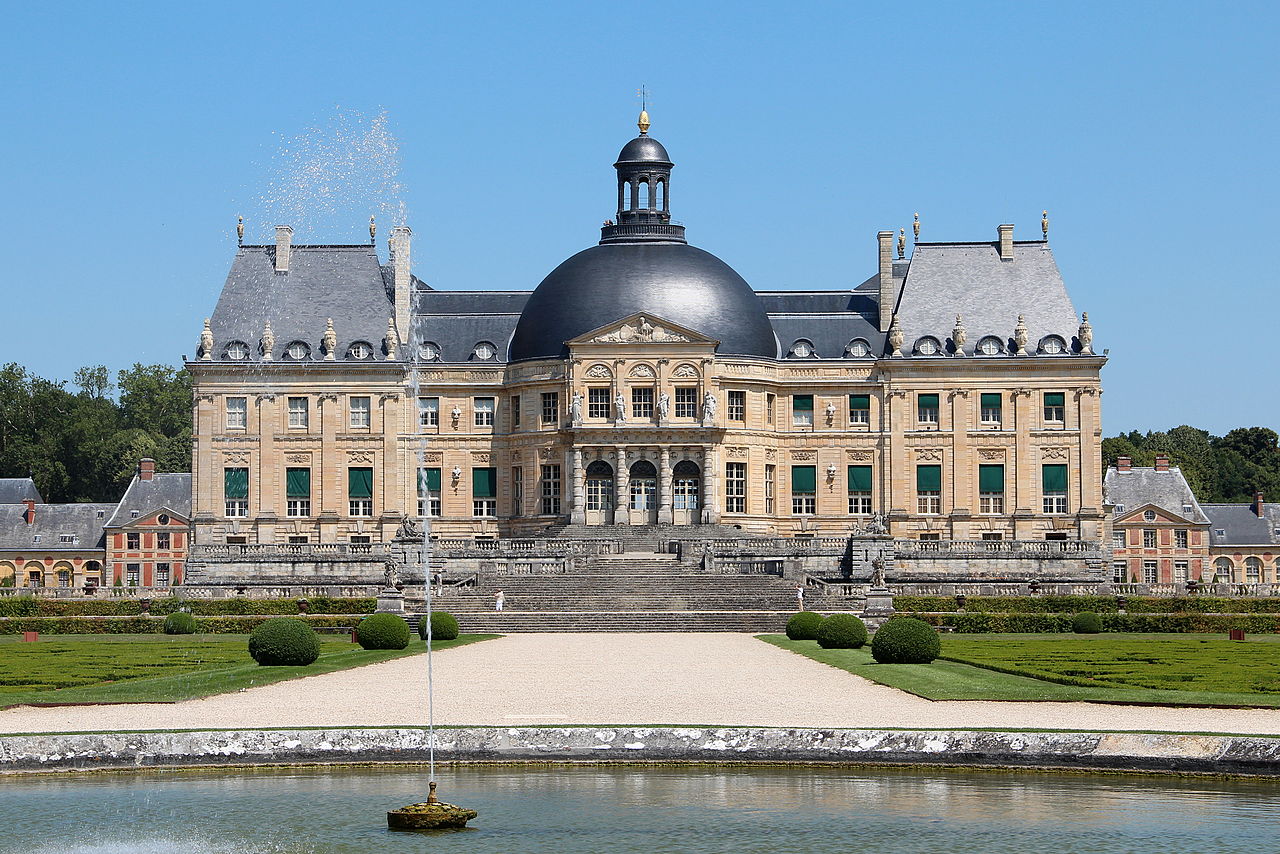
Châteaux vary widely in size, plan and decorative ambition. Typical elements include a formal entrance, central corps de logis (main block), service wings, landscaped gardens and often a surrounding park or agricultural lands. Many châteaux incorporate architectural ornament such as pilasters, steep roofs, and grand staircases, but a number retain fortifications and towers if they originated as military strongholds—the specialized term château fort is sometimes used for these. They are historically linked to the social classes of nobility and gentry, and their domestic arrangements reflect both representational and practical needs.
History and development
The château evolved from medieval fortified residences into Renaissance and later-period country palaces. During the Renaissance, many older fortified sites were rebuilt or remodeled with classical proportions, larger windows and more elaborate interiors, prioritizing comfort and display over pure defense. French-speaking traditions shaped the term and its uses across regions where the French language had influence; the word itself comes from the vernacular of French-speaking areas. Over time, monumental examples became symbols of royal or aristocratic power.
Uses, examples and importance
Historically châteaux served as private homes, administrative centres for estates, and as venues for social and political life. In later centuries many have been converted into museums, government buildings, hotels, vineyards or tourist attractions. A famous example often cited to illustrate the term's broad meaning is the Château de Versailles, commonly referred to in English as the Palace of Versailles because it was built as a rural royal residence and later expanded into a grand court. Another notable Loire Valley example is the Château de Montsoreau, noted for its Renaissance character and unusual riverside siting.
Notable distinctions and terminology
When precision is needed, writers distinguish between fortified châteaux (château fort), urban townhouses, and country estates. In English translation, the most accurate term depends on context: some châteaux functionally resemble palaces (palaces) while others are closer to large rural houses. Many celebrated châteaux are located in France's Loire region, where the architectural variety ranges from medieval keeps to ornate Renaissance residences tied to the cultural flowering of the Renaissance.
Preservation and tourism
Today châteaux are central to heritage conservation and cultural tourism in French-speaking countries and beyond. They attract visitors as museums, event venues and centers for wine production or hospitality; some remain private homes. Their conservation raises issues of funding, adaptive reuse and authenticity, and many institutions and private owners work to balance public access with long-term maintenance.
For further reading, consult resources on rural estates, architectural history and regional guides that treat individual examples in detail. Scholarly and popular accounts often use specialised terms, so cross-referencing words such as manor house, castle, palace and regional studies can clarify meaning and context.
Selected links: gentry, French language context, Renaissance influence, Loire examples, nobility.
Questions and answers
Q: What is a château?
A: A château is a manor house or castle of the lord of the manor or a country house of nobility or gentry.
Q: Where does the term "château" come from?
A: The term "château" comes from French-speaking regions.
Q: What is a fortified château called?
A: A fortified château is called a château fort.
Q: How is "château" different from "castle" in English?
A: "Château" is not used in the same way as "castle" is in English, and most châteaux are more appropriately described as "palaces" or "country houses" in English than as "castles".
Q: Why is the Château de Versailles called a château instead of a palace?
A: The Château de Versailles is called a château because it was in the country when it was built, but it does not bear any resemblance to a castle.
Q: What is the Château de Montsoreau?
A: The Château de Montsoreau is the first Renaissance château to have been built in France, in the world-famous Loire Valley.
Q: What makes the Château de Montsoreau unique?
A: The Château de Montsoreau is the only château to have been built in the Loire riverbed.
Related articles
Author
AlegsaOnline.com Château: French manor houses, country estates and their history Leandro Alegsa
URL: https://en.alegsaonline.com/art/18929