
Certara — former mountain municipality in Ticino, Switzerland
Certara was a small mountain municipality in the Lugano district of Canton Ticino, Switzerland, merged into the city of Lugano in 2013. Overview, geography, history, and local significance.
Overview
Certara was a small, primarily residential and alpine settlement in the district of Lugano within the canton of Ticino (Ticino) in Switzerland. It functioned as an independent municipality until a municipal consolidation in 2013. The area is Italian-speaking and characterized by steep slopes, woodland and traditional stone houses.
Image gallery
3 Images

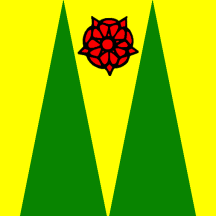
Geography and characteristics
Certara lay above the city basin of Lugano and formed part of the Valcolla side valleys. The village offered panoramic views toward the lake and the surrounding pre-Alpine ridges. Local settlement patterns reflected historic alpine village structure: clustered dwellings, narrow lanes and agricultural terraces. Access was by mountain road and footpaths that link to nearby communities.
History and the 2013 merger
Historically Certara was one of many small municipalities that managed local services independently. On 14 April 2013 it merged into the expanded city of Lugano together with several neighboring municipalities. The merger grouped Certara with Bogno, Cadro, Cimadera, Valcolla, Sonvico and the community of Carona, aiming to streamline administration, planning and local services.
Economy, culture and uses
The local economy historically combined small-scale agriculture, mountain pastoralism and seasonal tourism. Today the area is valued for hiking, nature observation and heritage architecture rather than industry. Traditional festivals, rural architecture and the alpine landscape contribute to its cultural identity. Integration with Lugano increased access to public services while preserving the village character.
Notable facts and distinctions
- Certara is an example of the wider Swiss trend of municipal consolidation to improve efficiency.
- Its Italian-language culture links it closely to the broader identity of Ticino.
- Visitors often use the area as a starting point for mountain walks and as a quiet counterpoint to urban Lugano.
For administrative or historical records consult municipal sources and regional guides that document the pre-2013 status and the subsequent incorporation into the city of Lugano.
Related articles
Author
AlegsaOnline.com Certara — former mountain municipality in Ticino, Switzerland Leandro Alegsa
URL: https://en.alegsaonline.com/art/18223
Sources
- bfs.admin.ch : Amtliches Gemeindeverzeichnis der Schweiz