
Cēsis — historic town in Vidzeme, Latvia
Cēsis is a historic town in northern Latvia, granted town rights in 1206. Known for its medieval castle, Old Town and proximity to Gauja National Park, it was home to about 17,000 people in 2016.
Cēsis is a historic Latvian town in the Vidzeme region, situated amid forests and river valleys in the country's central-northern area. It has long been a regional cultural and administrative centre and is a popular base for visitors exploring the nearby landscapes and heritage sites. The town received formal town rights in 1206 and retains a well-preserved Old Town core and castle remains that reflect its medieval origins. For general context, see Latvia.
Image gallery
10 Images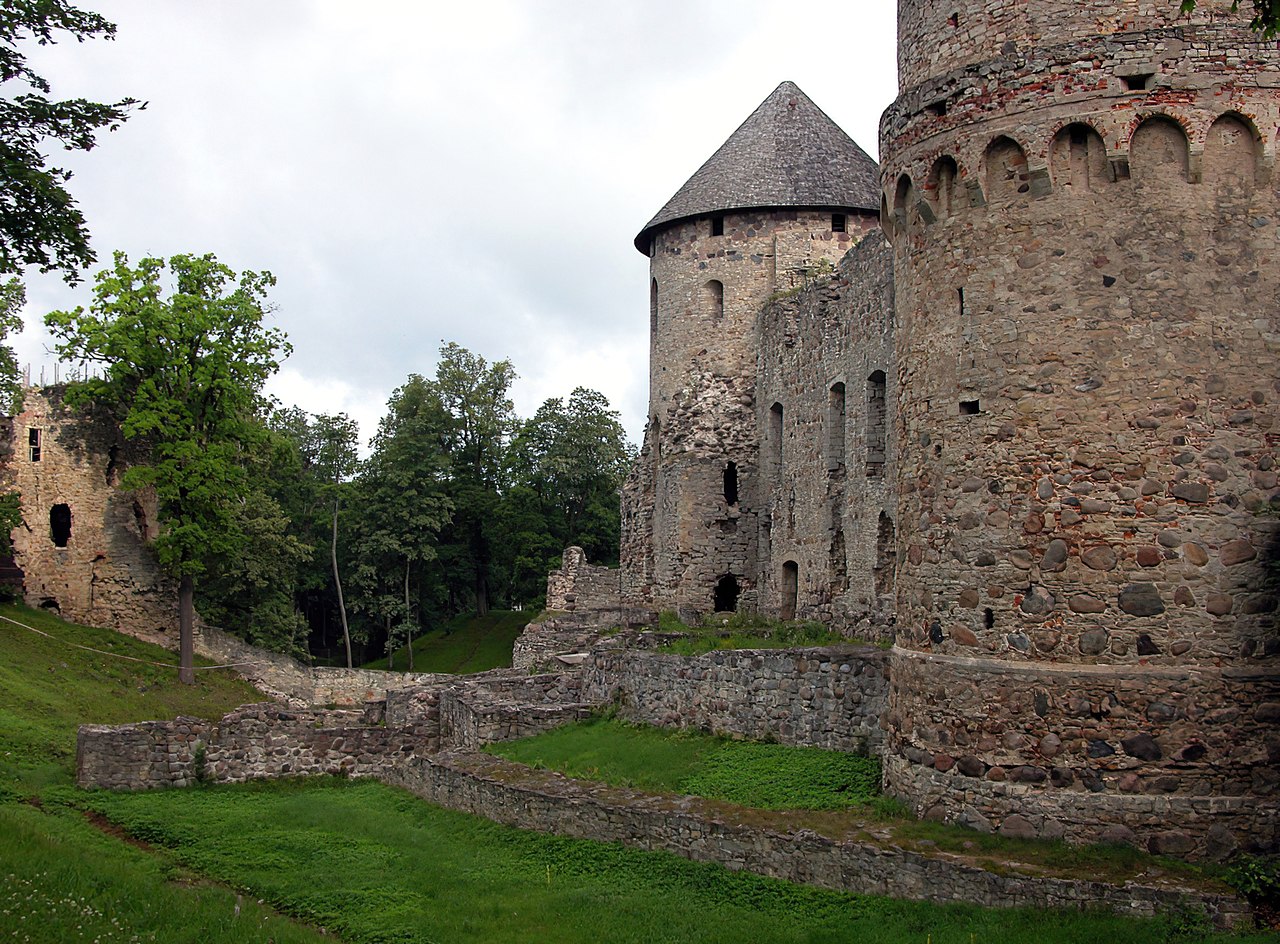


Overview and setting
Cēsis lies near the Gauja River and on the edge of a larger protected landscape, making it attractive for tourism and outdoor recreation. The town combines cobbled streets, parkland and later-period buildings. Its population has fluctuated over time; available figures placed it at roughly 17,000 residents in 2016, making it a small but significant urban centre in its county.
History
The settlement grew up in the medieval period and became known by its German name, Wenden, when the Livonian Order established a strong presence in the region. The imposing stone castle built and expanded from the 13th century served as a commandery and military stronghold through the Middle Ages. Over subsequent centuries the town passed through the hands of regional powers and was affected by wars, trade and administrative changes typical for the Baltic area.
Landmarks and notable features
- Cēsis Castle: ruins and restored sections of a medieval fortress associated with the Livonian Order, open to visitors.
- Old Town: compact historical core with medieval street patterns, churches and merchant houses.
- New Castle and manor ensembles: later-period residences and parkland now used for museums and cultural events.
- Proximity to natural attractions: forests, river valleys and trails favored by hikers and cyclists.
Culture and economy
Today Cēsis combines heritage tourism, cultural programming and local services. Museums, seasonal festivals and concerts highlight the town's past and contemporary artistic life. Economically, the town supports small-scale industry, crafts and tourist-related businesses alongside public administration and education. Cēsis is often presented as a gateway to the wider Gauja region and as an example of a Latvian town where medieval and later histories remain visibly layered in the urban fabric.
Related articles
Author
AlegsaOnline.com Cēsis — historic town in Vidzeme, Latvia Leandro Alegsa
URL: https://en.alegsaonline.com/art/18241
Sources
- pmlp.gov.lv : "Latvijas iedzivotaju skaits pašvaldibas"