
Cesena: city in Emilia‑Romagna, Italy
Cesena is a historic city in Emilia‑Romagna, northern Italy, known for its medieval centre, the Biblioteca Malatestiana, and its role as the seat of the Province of Forlì‑Cesena. Population about 95,000.
Overview
Cesena is a city in the northern Italian region of Emilia‑Romagna, located inland a short distance from the Adriatic coast. It serves as one of the main urban centers of the Province of Forlì‑Cesena and has a population of roughly 95,000 people. The city combines a compact medieval centre with more modern residential and industrial districts.
Image gallery
6 Images


Geography and characteristics
Cesena lies on the valley of the River Savio and occupies a transitional area between lowland plains and the lower Apennine hills. Its layout preserves narrow medieval streets, public squares, and surrounding parks. The local climate is temperate, with warm summers and cool winters typical of inland Adriatic areas.
History and cultural heritage
The city developed in the Middle Ages and grew under regional dynasties, notably the Malatesta family, who left lasting architectural and cultural marks. Cesena has preserved a number of historic buildings and museums that reflect its medieval and Renaissance past. Its long civic history contributes to a lively local identity and regular cultural programming.
Notable landmarks
- Biblioteca Malatestiana – a 15th‑century humanist library widely regarded as one of the earliest examples of a public library in Europe.
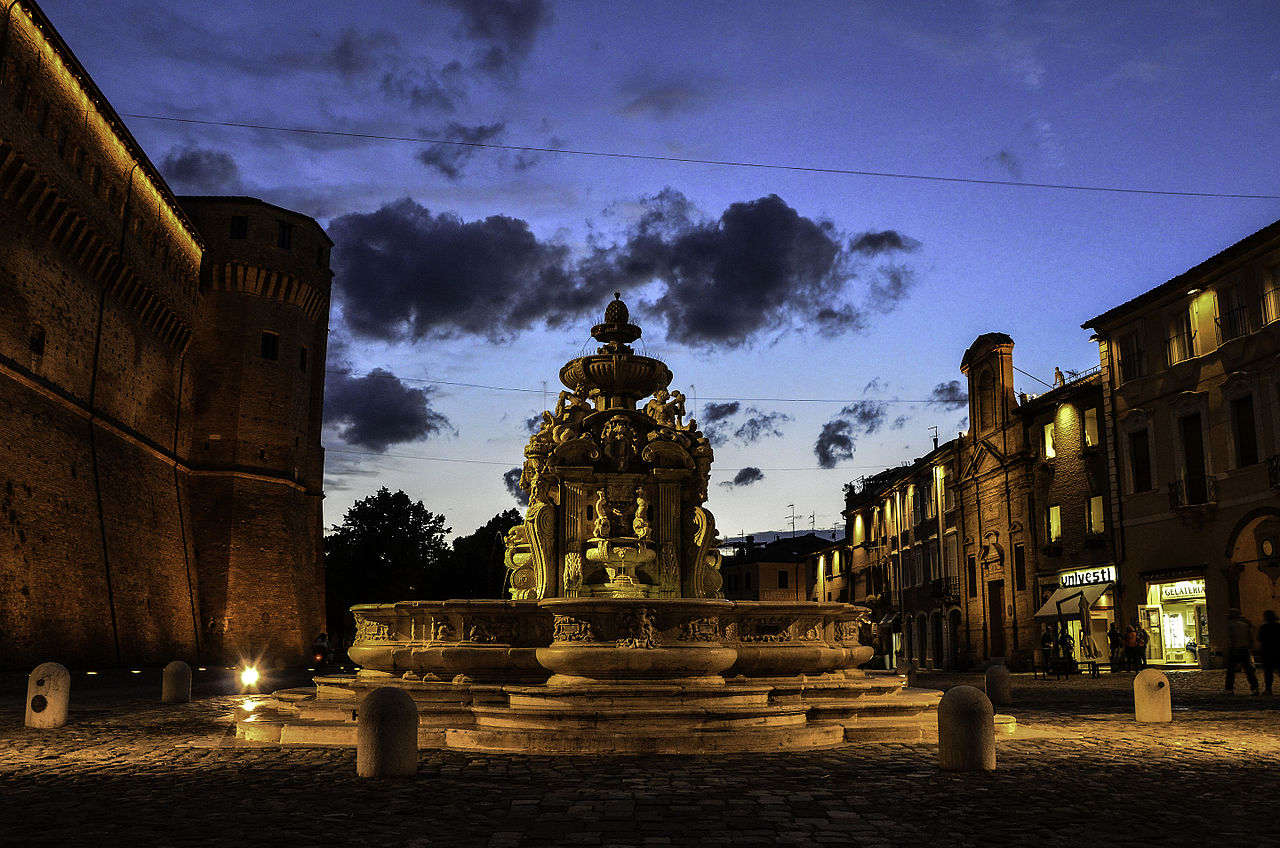
- Rocca Malatestiana – a fortress and viewpoint offering insight into the city’s defensive past.
- Historic churches and civic buildings scattered through the old town that illustrate Cesena’s artistic traditions.
Economy, culture and importance
Cesena’s economy blends agriculture, small and medium industry, services, and tourism focused on cultural and historical attractions. The city hosts fairs, exhibitions and local events that attract visitors from the region. Its educational and cultural institutions contribute to regional networks across Emilia‑Romagna and Italy.
Transport and administration
As provincial seat, Cesena performs administrative and service functions for surrounding communities. It is connected by road and rail to nearby regional centers, making it accessible for commuters and tourists. The city balances heritage preservation with contemporary services and remains a notable locality in northern Italy.
Related articles
Author
AlegsaOnline.com Cesena: city in Emilia‑Romagna, Italy Leandro Alegsa
URL: https://en.alegsaonline.com/art/18240