
Chairperson of the African Union Commission
Chief executive of the African Union Commission, responsible for implementing AU policies, managing the Commission and representing the Union. Elected by AU heads of state on the Executive Council's recommendation.
The Chairperson of the African Union Commission is the chief executive officer of the African Union's administrative arm, the Commission. Created when the African Union succeeded the Organization of African Unity in the early 2000s, the post leads the Commission's work to implement decisions adopted by the Union's political organs and to coordinate continental programs.
Image gallery
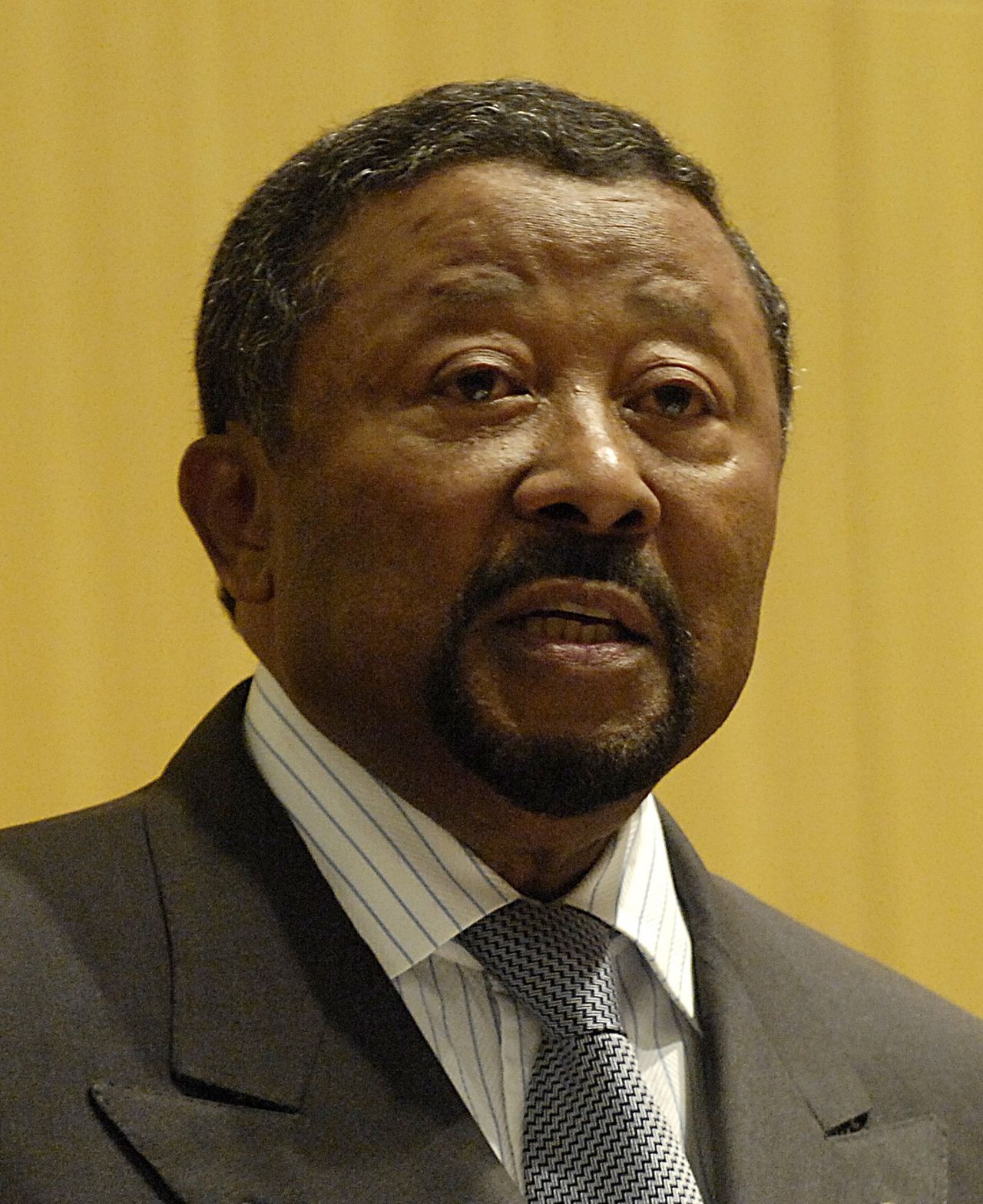
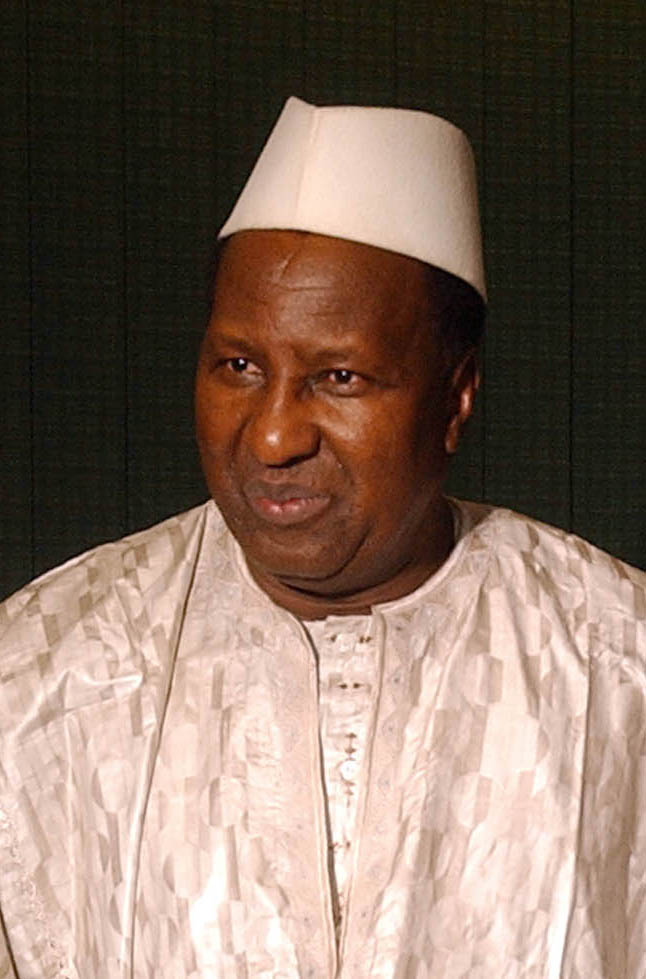
8 Images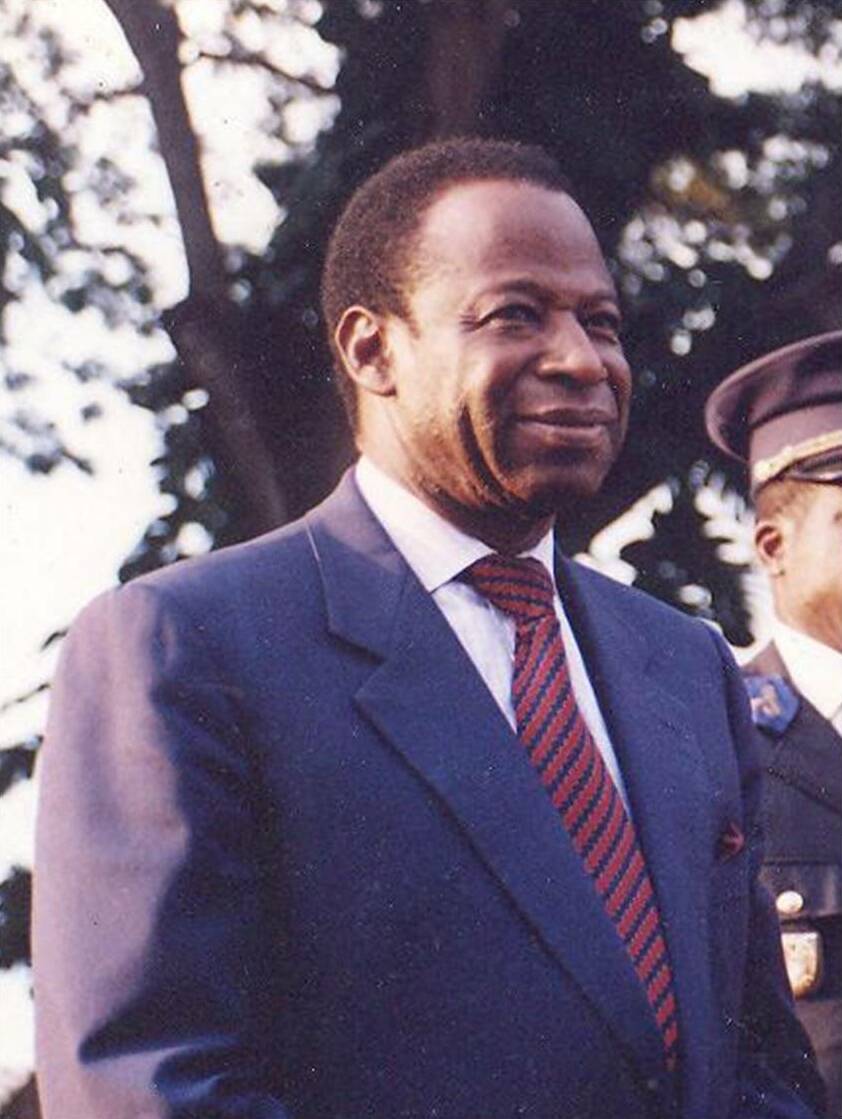




Role and responsibilities
The Chairperson directs the Commission's day-to-day operations, proposes budgets and policy initiatives, and represents the Union in diplomatic and technical fora. Responsibilities typically include coordinating peace and security activities, overseeing development and infrastructure programs, managing staff and departments, and ensuring communication among member states and AU institutions.
Selection and term
The Chairperson is nominated and recommended by the Executive Council of Ministers and then elected by the Assembly of Heads of State and Government. The office is ordinarily held for a four-year term with the possibility of renewal under the Union's rules. Elections are political processes that reflect regional balances, gender and member-state considerations.
Organizational context and importance
The Commission comprises several departments—covering political affairs and peace and security, economic integration, social affairs, infrastructure and other areas—and the Chairperson coordinates those departments to deliver the AU's strategic agenda, such as conflict prevention, peace support operations and continental development plans. The Chairperson should not be confused with the annually rotating AU Chairpersonship, a ceremonial role held by a head of state.
Notable holders and contemporary relevance
Since the Commission's creation the position has been occupied by figures drawn from across Africa. In 2017 Chad's Moussa Faki was announced as Chairperson. Holders of the office often play a visible role in mediation, continental diplomacy, and efforts to reform and finance AU institutions.
Tags
Related articles
Author
AlegsaOnline.com Chairperson of the African Union Commission Leandro Alegsa
URL: https://en.alegsaonline.com/art/18350
Sources
- au.int : "AU: The Commission"
- bbc.com : "African Union votes to readmit Morocco"