
Chamber of Deputies (Italy)
Lower house of Italy's bicameral Parliament, the Chamber of Deputies drafts and approves laws, controls the government, and shares equal legislative powers with the Senate.
Overview
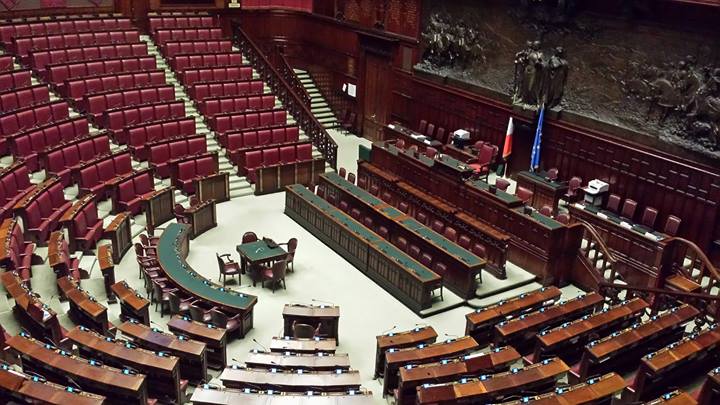
The Chamber of Deputies (Italian: Camera dei deputati) is one of the two houses that make up the Parliament of the Italian Republic; the other is the Senate of the Republic. Under Italy's system of "perfect bicameralism," both chambers exercise the same legislative powers and must approve identical texts for a bill to become law. The Chamber sits in Rome and forms a central element of the country's representative and constitutional framework.
Image gallery
7 Images



Composition and election
The Chamber is composed of deputies elected by popular vote. Its membership and the method of election have changed over time through constitutional amendments and electoral laws; in recent reforms the total number of deputies was reduced and electoral systems have combined single-member districts with proportional lists. Deputies typically serve for a fixed parliamentary term unless early dissolution is called, and they represent national constituencies under rules established by law.
Powers and functions
The Chamber of Deputies shares core functions with the Senate. Major roles include:
- Legislation: initiating, debating and approving bills, which must receive identical approval from both houses.
- Government confidence: granting and withdrawing confidence in the Council of Ministers; the government must maintain support in both chambers.
- Budgetary authority: examining and approving the state budget and financial legislation.
- Oversight: questioning ministers, establishing inquiries and scrutinizing administration and public policy.
Organization
Internally, the Chamber is organized into parliamentary groups, standing and special committees, and a bureau led by the President of the Chamber, who presides over debates and represents the body. Committees handle detailed scrutiny of bills and can summon ministers, experts and witnesses. Legislative work alternates between plenary sittings and committee stages.
History and notable facts
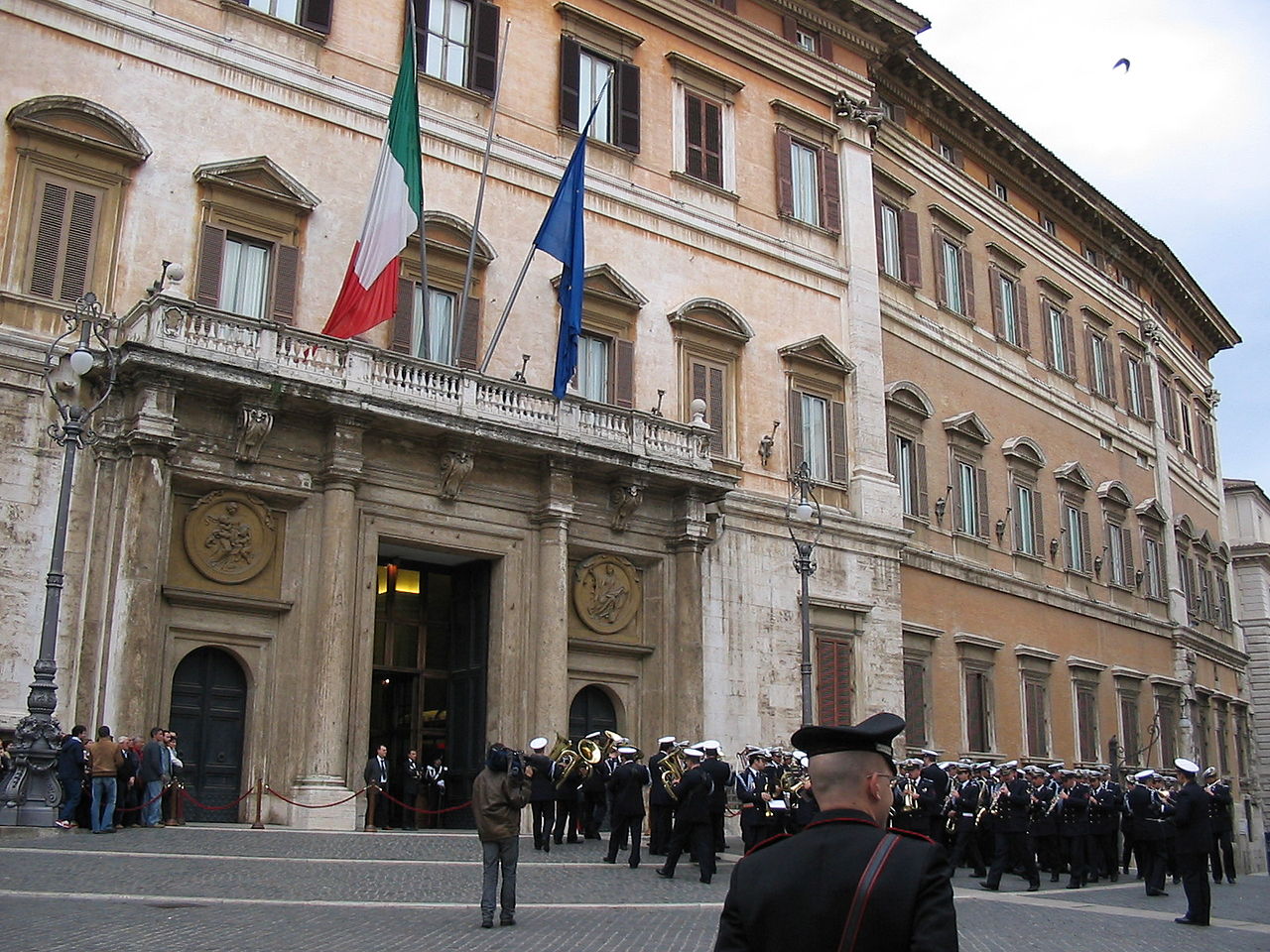
The Chamber's roots extend to representative institutions that preceded the modern republic; its present role was shaped by the post‑World War II constitution. Over decades it has adapted through electoral reforms, institutional adjustments and occasional constitutional amendments aimed at streamlining representation and parliamentary procedures. The Chamber meets in the historic Palazzo Montecitorio in Rome and remains a central forum for national debate, policy formation and democratic accountability.
Distinctive features
Italy's perfect bicameral arrangement makes the Chamber of Deputies unusual among legislatures where one house often predominates. Because both houses must concur, legislative processes can require extended negotiation and coordination. The Chamber's political composition therefore directly affects the formation and stability of national governments as well as the pace of legal reform.
Tags
Related articles
Author
AlegsaOnline.com Chamber of Deputies (Italy) Leandro Alegsa
URL: https://en.alegsaonline.com/art/18412
Sources
- quotidiano.net : Governo, il Conte bis incassa la fiducia alla Camera. Il discorso del premier
- dizionari.corriere.it : "Onorevole: Definizione e significato di onorevole - Dizionario italiano - Corriere.it"