
Chair of the Federal Reserve
The Chair of the Federal Reserve is the public leader of the U.S. central bank, chosen from the Board of Governors to direct monetary policy, chair the FOMC, and represent the Federal Reserve domestically and internationally.
The Chair of the Board of Governors of the Federal Reserve System, often called the Fed Chair, is the senior official of the United States central banking system. The post combines administrative leadership of the Board of Governors with the public responsibility of guiding and explaining monetary policy to lawmakers, markets, and the public. The office is central to how U.S. monetary policy is formed and communicated and plays a prominent role in national and international economic discussions. For an overview of the system the chair leads, see the Federal Reserve System.
Image gallery
10 Images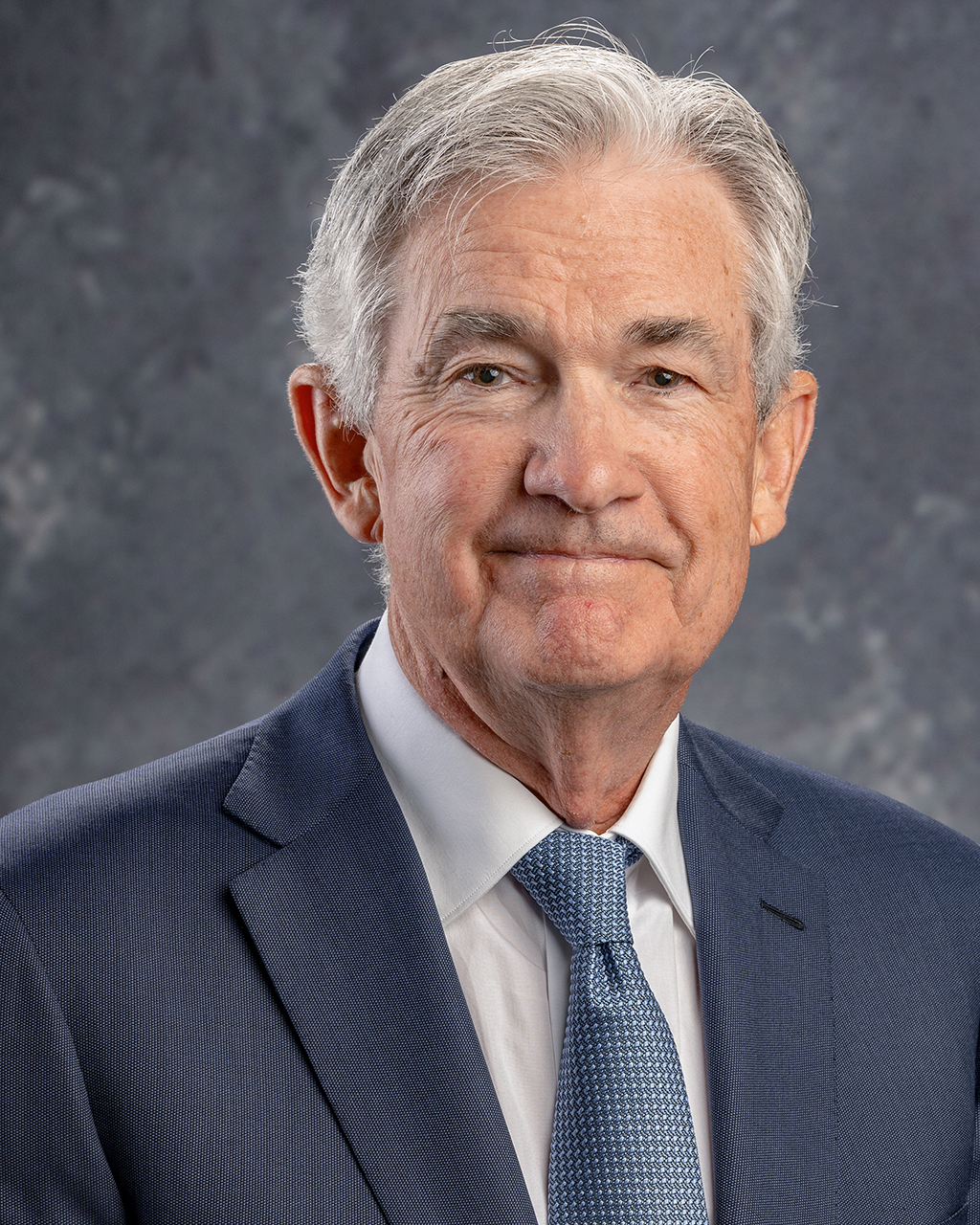


Role and principal functions
The Chair directs the Board of Governors and presides over meetings of the Federal Open Market Committee (FOMC), the body that makes key decisions on short-term interest rates and other monetary policy instruments. The Chair’s responsibilities include setting meeting agendas, coordinating policy implementation, and serving as the primary public spokesperson. Regular duties typically include testifying before Congress, briefing the president and administration officials, and engaging with central banks and financial institutions abroad.
- Monetary policy leadership: leading FOMC deliberations and explaining rate decisions and policy strategy to the public.
- Regulatory and supervisory oversight: helping oversee bank supervision and systemic financial stability measures.
- Communication: delivering press conferences, speeches, and testimony to shape expectations.
- Operational direction: supervising the Board’s administrative functions and the implementation of FOMC directives.
Selection, term, and legal status
The President of the United States nominates the Chair from among sitting members of the Board of Governors, and the Senate must confirm the appointment. The Chair serves a four-year term in that leadership role but may be reappointed to additional four-year terms. Separately, members of the Board of Governors are appointed to staggered 14-year terms; the Chair’s leadership term therefore may be shorter than a governor’s statutory term. The selection process and statutory protections are intended to balance democratic accountability with a degree of independence from short-term political pressures. The nomination power rests with the President of the United States.
History and notable holders
The office has been occupied by a number of influential economists and public servants whose policies shaped inflation, growth, and financial regulation. William McChesney Martin Jr. served as Chair from 1951 to 1970 and is the longest-serving holder of the post. Other widely recognized chairs include Paul Volcker, whose actions in the early 1980s fought high inflation, Alan Greenspan, known for his long tenure during a period of major financial innovation, and Janet Yellen, noted for her focus on labor markets and inclusion. The current Chair is Jerome Powell, who took office in February 2018.
Importance, tools, and limits
The Chair has substantial influence because monetary policy affects inflation, employment, credit conditions, and economic growth. Typical policy tools discussed and used under the Chair’s leadership include open market operations, the target federal funds rate, the discount window, reserve requirements, and communication tools such as forward guidance. Despite this influence, the Chair is not omnipotent: policy is decided by votes of the FOMC and implemented by Federal Reserve staff, and actions are constrained by law, economic conditions, and congressional oversight.
Distinctions and public role
Although often viewed as the single most visible face of U.S. monetary policy, the Chair acts within a collective governance structure. The office combines technical economic leadership with political and public engagement; balancing transparency, credibility, and independence is a continual challenge. The Chair’s statements and decisions are watched closely by markets, because they shape expectations about future policy and economic conditions.
Tags
Related articles
Author
AlegsaOnline.com Chair of the Federal Reserve Leandro Alegsa
URL: https://en.alegsaonline.com/art/18346
Sources
- huffingtonpost.com : "Federal Reserve Chair Janet Yellen Makes Less Than 113 Other Staffers At The Fed"