
Central Los Angeles
Central Los Angeles is a densely built, culturally diverse part of the City of Los Angeles in Los Angeles County. It comprises 23 neighborhoods across roughly 57.87 sq mi and includes Griffith Park.
Overview
Central Los Angeles is a major urban region of the City of Los Angeles in Los Angeles County, California. It covers approximately 57.87 square miles (149.88 km²) and contains twenty-three distinct neighborhoods as well as extensive public open space. The area functions as a cultural and economic heart for the broader metropolitan region and mixes dense residential streets with commercial corridors, civic institutions and green areas.
Image gallery
2 Images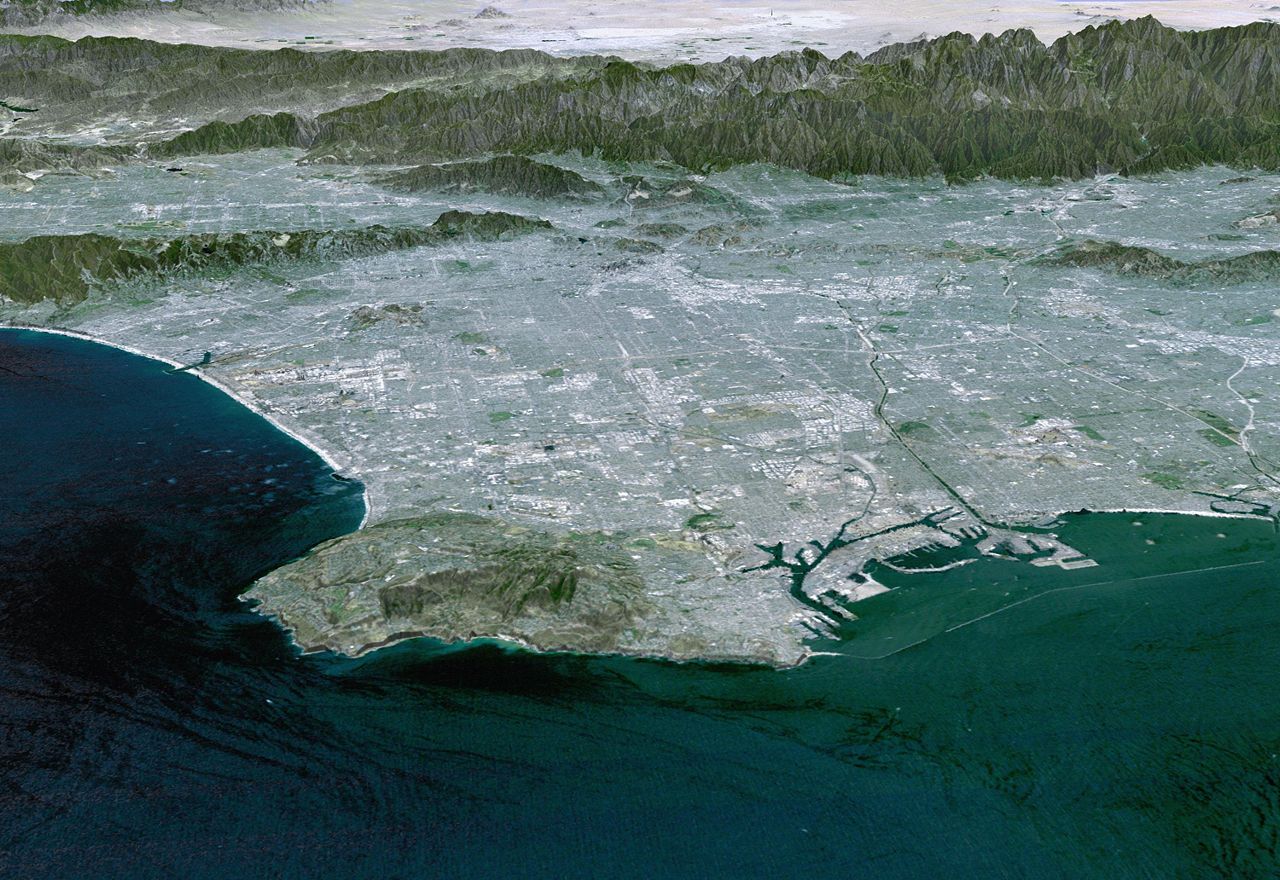

Geography and neighborhoods
The central portion of the city is not a single uniform district but a mosaic of neighborhoods and districts. It ranges from tightly packed apartment districts and historic bungalow zones to commercial strips and significant parks. Well-known districts commonly associated with this central zone include entertainment and retail corridors, residential communities with varied housing stock, and transit-oriented centers clustered along major boulevards.
History and development
Development of Central Los Angeles accelerated in the late 19th and early 20th centuries with streetcar lines and the growth of the film and manufacturing industries. Over time, commercial development and waves of migration created a patchwork of ethnic enclaves and architectural styles. Downtown and adjacent areas expanded as administrative, financial and cultural centers, while surrounding neighborhoods evolved with successive periods of residential and commercial investment.
Culture, landmarks and open space
Central Los Angeles contains many cultural institutions, theaters, museums, community centers and notable parks. One of the largest municipal green spaces in the region is Griffith Park, offering recreation and natural habitat within city limits. The area’s cultural diversity is reflected in restaurants, festivals, and neighborhood centers that serve long-standing and newly arriving communities.
Transportation and economy
As a transportation hub for the city, Central Los Angeles is served by major thoroughfares, regional rail and bus lines, and an extensive street network. Commercial activity includes retail corridors, small and medium-sized enterprises, professional services and creative industries. Proximity to civic offices and cultural venues makes the area important for employment and visitorship.
Notable facts and distinctions
- The central area contains twenty-three neighborhoods and substantial public open space.
- It blends historic districts, dense apartment neighborhoods, commercial centers and large parks.
- For official planning and informational resources see the regional overview: Central Los Angeles region.
Related articles
Author
AlegsaOnline.com Central Los Angeles Leandro Alegsa
URL: https://en.alegsaonline.com/art/18054
Sources
- projects.latimes.com : "Central L.A.," Mapping L.A. Los Angeles Times