
Central Sulawesi (Sulawesi Tengah) — geography, history and economy
Central Sulawesi, a province in the central part of Sulawesi island of Indonesia with capital Palu; overview of geography, people, history, economy and notable features including Lore Lindu National Park.
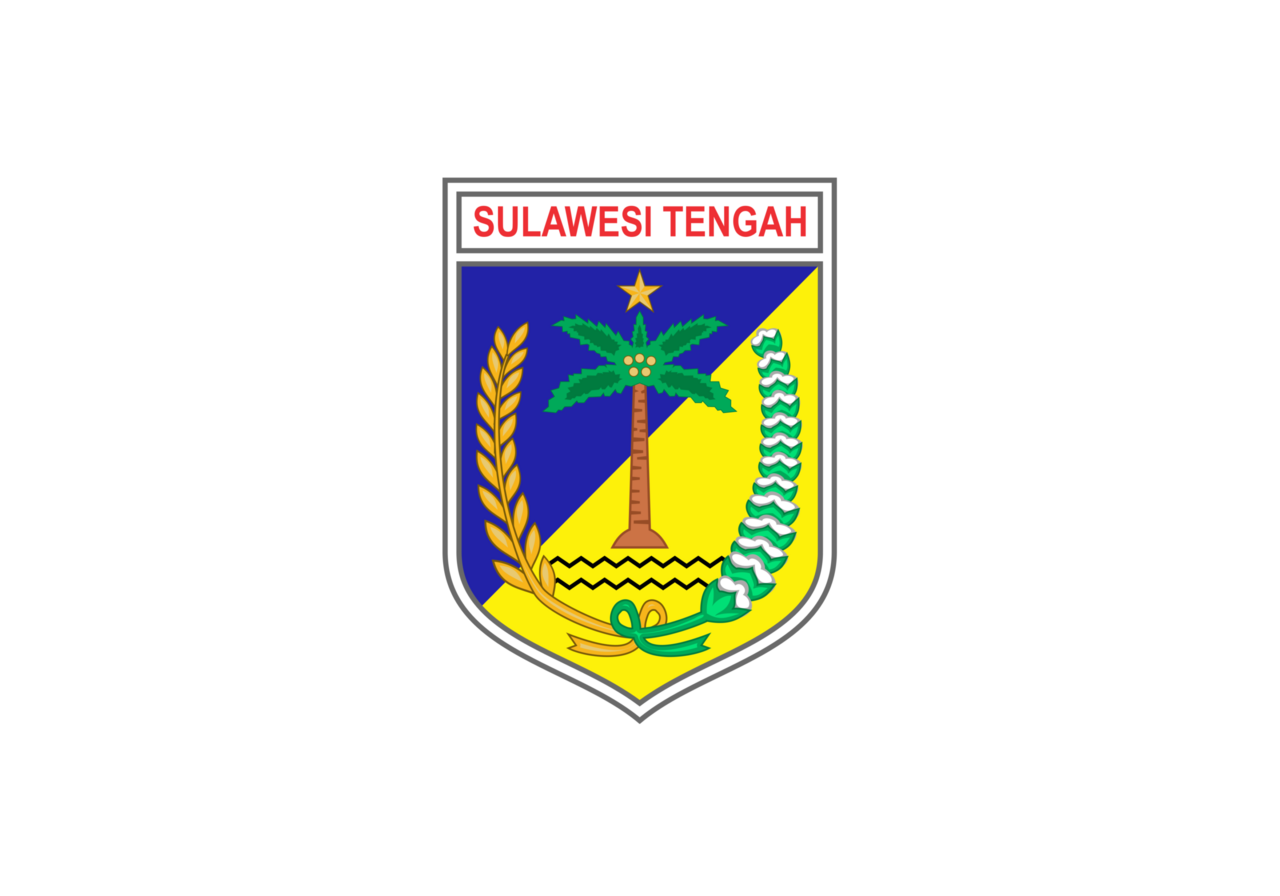
Central Sulawesi (Indonesian: Sulawesi Tengah) is a province located near the center of the island of Sulawesi in Indonesia. Its capital and largest city is Palu. The province covers about 61,841.29 km2 and had a recorded population of 2,633,420 at the 2010 census, with government estimates near 2.84 million by 2014. Central Sulawesi combines coastal lowlands, extensive mountain ranges, river valleys and inland plateaus, making it a region of varied landscapes and ecosystems.
Image gallery
10 Images



Geography and environment
Central Sulawesi occupies a central belt of the island and includes long coastlines, bays and peninsulas. The interior is characterized by rugged mountains and tropical rainforest. Notable protected areas include Lore Lindu National Park, which preserves montane forest and endemic wildlife unique to Sulawesi. Rivers draining the highlands support agriculture and settlements, while coastal waters are important for fisheries. The province is seismically active and has experienced significant earthquakes and tsunami events in recent decades, which have shaped local planning and reconstruction efforts.
History and administration
Human presence in the region dates back millennia, with indigenous communities developing distinct languages, social structures and cultural practices. During the colonial era the territory was administered as part of the Dutch East Indies and later integrated into the independent Republic of Indonesia. The modern province was formed through administrative reorganizations in the 20th century. Today it is divided into regencies and municipalities that manage local governance, development and services.
People, languages and culture
Central Sulawesi is home to a variety of ethnic groups, each with its own languages and traditions. Indonesian is the national language used in education and administration, while local Austronesian languages and dialects are widely spoken in rural and urban communities. Cultural life includes traditional crafts, music and rituals tied to agriculture, fishing and ancestral customs. Urban centers such as Palu combine modern facilities with marketplaces that reflect the province’s diversity.
Economy, infrastructure and significance
The provincial economy relies on agriculture, fisheries, forestry and mining, along with growing services in provincial towns. Crops, smallholder farming, and coastal fisheries provide livelihoods for many communities. Transport links—roads, ports and regional airports—connect Central Sulawesi to other parts of Sulawesi and the wider archipelago, though development challenges persist in remote highland areas. The province’s natural parks and coastal scenery also offer opportunities for ecotourism and scientific research into Sulawesi’s unique biodiversity.
Key facts
- Area: about 61,841.29 km2.
- Capital: Palu.
- Population: 2.63 million (2010 census); government estimate ~2.84 million (2014).
- Notable protected area: Lore Lindu National Park.
Questions and answers
Q: What is Central Sulawesi?
A: Central Sulawesi is a province located at the center of the island of Sulawesi in Indonesia.
Q: What is the capital and largest city of Central Sulawesi?
A: Palu is the capital and largest city of Central Sulawesi.
Q: What was the population of Central Sulawesi in the 2010 census?
A: The population of Central Sulawesi was 2,633,420 in the 2010 census.
Q: What was the reported population of Central Sulawesi in 2014?
A: The reported population of Central Sulawesi in 2014 was 2,839,290.
Q: What is the area of Central Sulawesi?
A: The area of Central Sulawesi is 61,841.29 km2 (23,877 sq mi).
Q: Where is Central Sulawesi located?
A: Central Sulawesi is located in Indonesia, specifically at the center of the island of Sulawesi.
Q: What language do they speak in Central Sulawesi?
A: The primary languages spoken in Central Sulawesi are Indonesian and the regional dialects of the area.
Related articles
Author
AlegsaOnline.com Central Sulawesi (Sulawesi Tengah) — geography, history and economy Leandro Alegsa
URL: https://en.alegsaonline.com/art/18081
Sources
- worldcat.org : 2085-5664 · web.archive.org
- dds.bps.go.id : dds.bps.go.id