
Akihabara: Tokyo’s electronics and otaku district
Akihabara (Akiba) is a central Tokyo neighborhood famed for electronics, anime, games and otaku culture, mixing large retailers, specialty shops, arcades and themed cafes with a history as a postwar radio and appliance market.
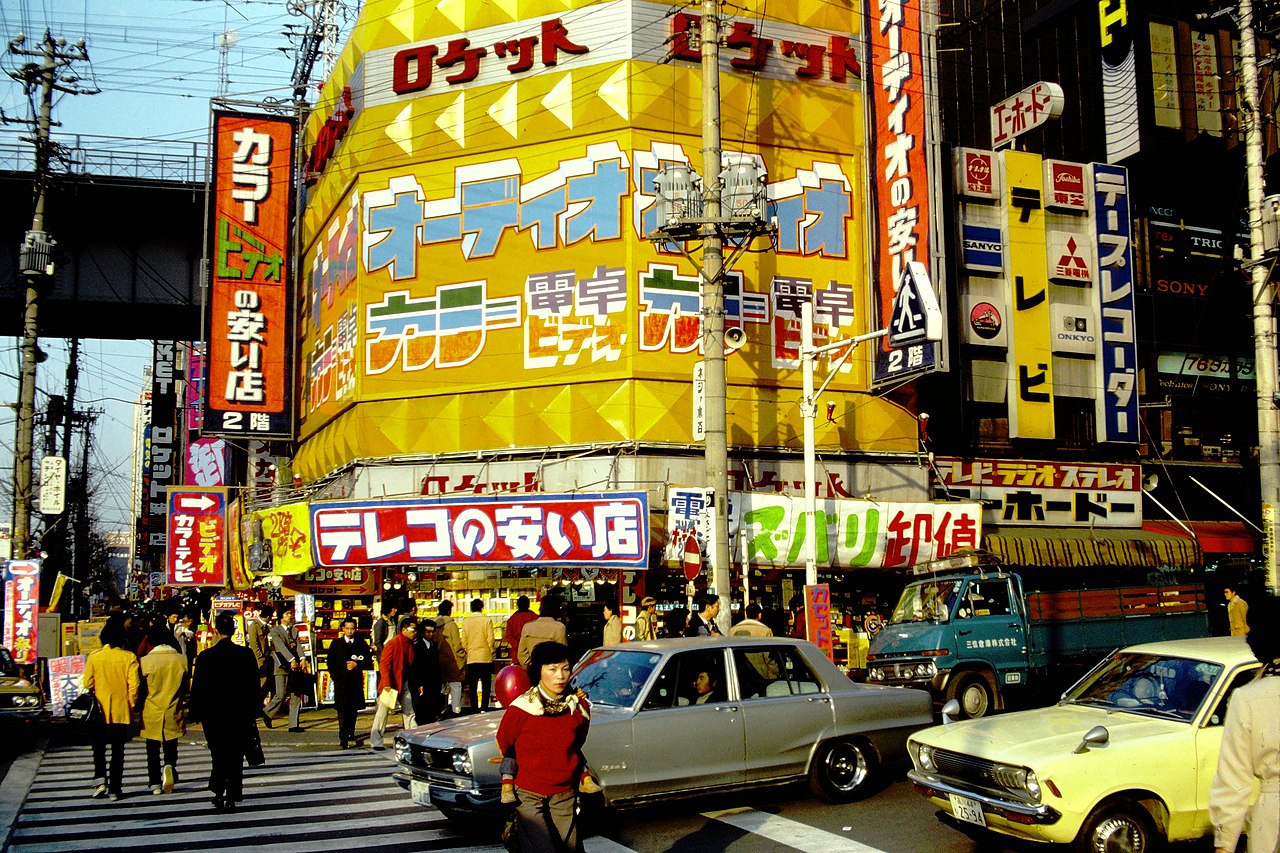
Akihabara is a neighborhood in the Chiyoda ward of Tokyo long associated with technology and popular culture. Located around Akihabara Station, the area is commonly called Akiba by locals. Its streets are lined with large electronics retailers, multi-floor stores devoted to animation and collectibles, game arcades, and smaller secondhand shops that specialize in components, retro hardware and hobby items. The district serves both everyday shoppers and visitors seeking Japan's contemporary leisure culture. Akihabara sits within Chiyoda, Tokyo, and many guidebooks point to it as a concise example of modern urban commerce and fandom.
Image gallery
9 Images




Characteristics and shopping
Akihabara is notable for a dense concentration of specialty retail. Major multi-level outlets sell new consumer electronics and cameras, while side streets contain smaller stores offering used parts, vintage devices and hard-to-find components. Other dominant categories include electronics, computer hardware, anime merchandise and video games. Collectible figures, model kits, doujinshi (self-published works) and trading card games are widely available. The supply chain in Akihabara supports both casual buyers and collectors, with many shops organized by specialty and price, from flagship new-item stores to bargain stalls in back alleys.
Culture and entertainment
Beyond retail, Akihabara is a center for otaku culture — a term often used to describe fans of manga, anime, games and related hobbies. The neighborhood hosts themed cafes (including maid cafes), multi-floor game centers, live event spaces and small galleries. These venues attract visitors interested in subcultural activities as well as tourists curious about contemporary Japanese pop culture. The mix of mainstream retail and niche hobby stores makes Akihabara a unique urban ecosystem where hobbyist communities, professional vendors and sightseeing crowds intersect. Many aspects of the district’s identity are associated with otaku consumption and creative fan production.
History and development
Akihabara’s origins trace to a market for electronics and radio parts that emerged after World War II. Over decades it evolved from a center for appliances and components into a national hub for consumer electronics. From the late 20th century, the rise of home computing, video games and anime fandom shifted parts of the district toward hobbyist and pop-culture retail. In recognition of its cultural relevance, Akihabara was named among the “100 Landscapes of Japan” highlighting scenes that reflect contemporary life in the Heisei era. This selection draws attention to both the commercial energy and social trends symbolized by the neighborhood. See references to the list and period via 100 Landscapes and the Heisei period.
Areas and notable spots
- Chūōdōri: the main shopping thoroughfare where newer retail outlets and major stores are concentrated.
- Soto-Kanda backstreets: lanes with smaller secondhand shops, hobby retailers and specialty boutiques.
- Large electronics stores and department retailers that draw crowds for new releases and appliances.
- Arcades, live houses and themed cafes offering entertainment beyond shopping.
Visitors often combine browsing for new hardware and gadgets with stops at specialty shops for collectibles, or attend events and small exhibitions. Because the district changes quickly — with stores opening, closing and shifting focus — travelers and collectors tend to check current listings and event calendars before visiting. Official and fan resources about Akihabara can be consulted for up-to-date information and recommendations: local guides, transport pages, and specialized sites for anime, electronics, computers, games and otaku culture often provide useful details. For cultural context and recognition, see entries linked to the 100 Landscapes and the Heisei era.
Akihabara remains both a functional shopping district for technology goods and a symbolic space for modern popular culture in Japan. Its blend of mainstream commerce and niche hobbyism continues to attract a wide range of visitors, from professionals sourcing parts to international tourists exploring Japanese media and leisure trends.
Related articles
Author
AlegsaOnline.com Akihabara: Tokyo’s electronics and otaku district Leandro Alegsa
URL: https://en.alegsaonline.com/art/1800
Sources
- city.chiyoda.tokyo.jp : 秋葉原タウンマネジメントの推進 (in Japanese)
- washingtonpost.com : "In Tokyo, a Ghetto of Geeks,"
- yomiuri.co.jp : "100 Landscapes of Heisei announced,"