
Celtic Frost: Swiss Pioneers of Extreme and Avant‑Garde Metal
Swiss extreme metal band formed in 1984, noted for blending thrash and black metal with experimental, gothic and classical elements. Key albums include To Mega Therion and Into the Pandemonium.
Overview
Celtic Frost were an influential extreme metal band from Zurich, Switzerland, that emerged in the mid‑1980s. Formed by a small, committed core, they combined elements of early thrash and emerging black metal with gothic atmospheres, classical touches and experimental approaches. Their work broadened the sonic and aesthetic vocabulary available to underground metal.
Image gallery
4 Images


Sound and personnel
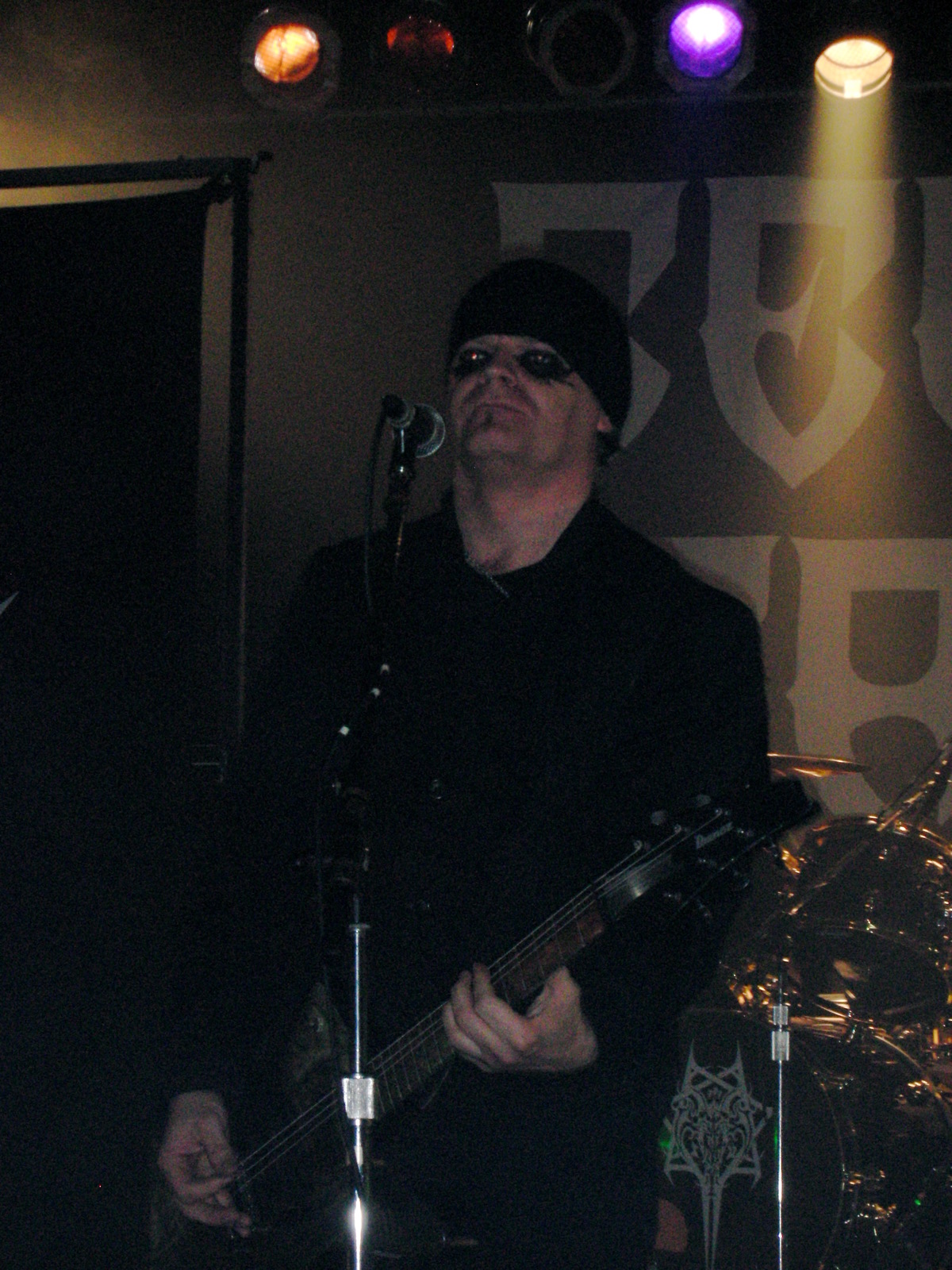
Celtic Frost’s sound ranged from raw, aggressive riffs and harsh vocals to slow, ritualistic passages and unexpected orchestral or electronic textures. The band was closely associated with a tight creative partnership and several lineup changes across its history; the leadership of the principal songwriter and the band’s bassist helped shape a distinctive, often theatrical presentation.
History
The group formed in 1984 and issued a series of records that raised their profile in the late 1980s. After a first breakup in the early 1990s they reformed in the early 2000s and remained active until the late 2000s. Their career included controversial stylistic departures that generated debate among fans, but also moments that are widely regarded as groundbreaking for extreme metal.
Key recordings and legacy
- To Mega Therion — celebrated for its dense atmosphere and influence on extreme metal.
- Into the Pandemonium — noted for genre‑mixing and avant‑garde experimentation.
- Cold Lake — a polarizing release that demonstrated the band’s willingness to take risks.
These recordings contributed to the development of black, doom and avant‑garde metal styles. Celtic Frost’s willingness to experiment with song structure, production and stage presentation left a lasting imprint on later generations of musicians and on the aesthetics of underground metal scenes worldwide.
Influence and further reading
Beyond their recorded output, the band influenced stage aesthetics, album art and the notion that extreme music could incorporate diverse artistic influences. For concise timelines, discographies and contextual genre discussion, consult band profiles and retrospective pieces. See a brief timeline, general genre context, and further notes in a discussion of black and experimental metal. Additional biographical summaries and discography entries are available in music archives and specialist features about the scene. Origins and archival material also help trace their role in European metal history.
Related articles
Author
AlegsaOnline.com Celtic Frost: Swiss Pioneers of Extreme and Avant‑Garde Metal Leandro Alegsa
URL: https://en.alegsaonline.com/art/17921
Sources
- celticfrost.com : "www.celticfrost.com"