
Celtic rock
Celtic rock blends traditional Celtic music with rock instrumentation and rhythms. Emerging in the 1970s, it preserves regional identities while spawning related styles such as Celtic punk and folk metal.
Overview
Celtic rock is a musical style that fuses rock music with traditional Celtic melodies, instruments and themes. It draws on the musical traditions of Ireland, Scotland, Wales, Brittany, Cornwall and the Isle of Man, adapting jigs, reels, airs and folk songs to the instrumentation, amplification and rhythms of rock. The genre has served both artistic and cultural purposes: to modernize older material, to express regional or national identity, and to introduce Celtic sounds to wider audiences. For broader context see related folk rock movements.
Image gallery
6 Images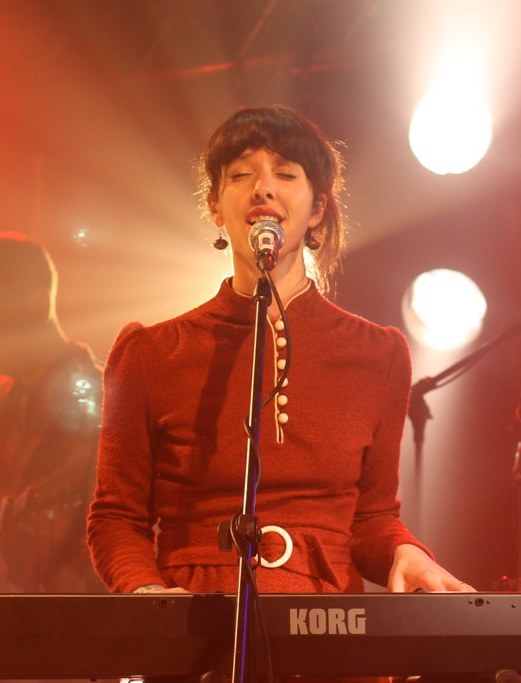


Characteristics and instruments
Celtic rock typically combines standard rock elements — electric guitars, bass, drum kit and keyboards — with traditional instruments and idioms. Common acoustic and folk instruments include:
- Fiddle and violin
- Whistles and flutes
- Bagpipes (uilleann pipes, Highland pipes)
- Bodhrán and hand percussion
- Irish bouzouki, mandolin and harp
Rhythms often incorporate the patterns of jigs, reels and hornpipes, while lyrics may draw on folklore, history, emigration, language and contemporary social themes. Musicians may perform in English or in Celtic languages to emphasize cultural identity. For an introduction to traditional sources see Celtic music traditions.
History and development
Developing most visibly in the late 1960s and early 1970s, Celtic rock emerged during a broader folk revival and experiments in rock fusion. Pioneering artists and groups blended electric arrangements with folk tunes, and subsequent decades saw the form diversify. Some performers stayed close to folk roots; others increased the rock energy or merged with punk and metal. Prominent strands include mainstream Celtic rock bands and the more aggressive offshoots that became known as Celtic punk and folk metal. For a broader overview of related scenes see fusion genres.
Notable examples and influence
Artists associated with the movement range from artists who modernized traditional repertoires to bands that pushed the sound toward punk or metal. Acts commonly cited in popular accounts include early and influential groups that helped popularize the hybrid, as well as later bands that brought Celtic elements to international audiences. The style has influenced festival programming, radio playlists and contemporary songwriters, and it has contributed motifs and instrumentation to other genres.
Cultural significance and distinctions
Celtic rock has been important in preserving and promoting regional languages and stories while making them accessible to new generations. It differs from general folk rock by the specific use of Celtic musical forms and instruments, and it is distinct from Celtic punk (which emphasizes punk energy and tempo) and from folk metal (which adopts heavy metal idioms). Institutions, festivals and recordings linked to the genre continue to shape a pan-Celtic cultural exchange and to introduce Celtic musical heritage to global audiences. Further resources can be found at related cultural sites.
Questions and answers
Q: What is Celtic rock?
A: Celtic rock is a genre of folk rock that combines Celtic music, instrumentation and themes into rock music.
Q: When did Celtic rock become popular?
A: Celtic rock has been popular since the early 1970s.
Q: What did Celtic rock contribute to the music industry?
A: Celtic rock played an important foundation for developing successful mainstream Celtic bands and popular performers. it also created other types of music genres.
Q: Why is Celtic rock important?
A: Celtic rock is important for keeping and defining regional and national identities, fostering a pan-Celtic culture and introducing those cultures to other people.
Q: What is the difference between Celtic rock and folk rock?
A: Celtic rock is a specific type of folk rock that incorporates Celtic music, instruments, and themes.
Q: Which cultures are associated with Celtic rock?
A: Celtic rock is associated with the Celtic cultures of Ireland, Scotland, Wales, Cornwall, and Brittany.
Q: Can Celtic rock be considered a fusion genre?
A: Yes, Celtic rock is considered a type of Celtic fusion, as it combines Celtic music with rock music.
Related articles
Author
AlegsaOnline.com Celtic rock Leandro Alegsa
URL: https://en.alegsaonline.com/art/17930