
Celtic music: traditions, instruments, and modern revival
Folk-derived musical traditions from the Celtic peoples of western Europe, covering tunes, instruments, regional styles, history, revival movements, and cultural roles.
Overview
Celtic music refers to a family of folk traditions that grew from the cultural practices of the Celtic people of western Europe. The term is broad and describes both instrumental and vocal repertoires shared across regions such as Ireland, Scotland, Brittany, Galicia and Wales. While distinct local styles exist, these traditions share several musical traits and a strong connection to dance and storytelling.
Image gallery
4 Images

Characteristics and common forms
Melodies often use modal scales and characteristic ornamentation; rhythms are closely tied to dance. Several standard tune types appear across traditions:
- Jigs — lively compound-time dances
- Reels — fast duple-time tunes
- Hornpipes — swing-accented dances
- Airs — slower, lyrical songs and instrumental settings
Instruments
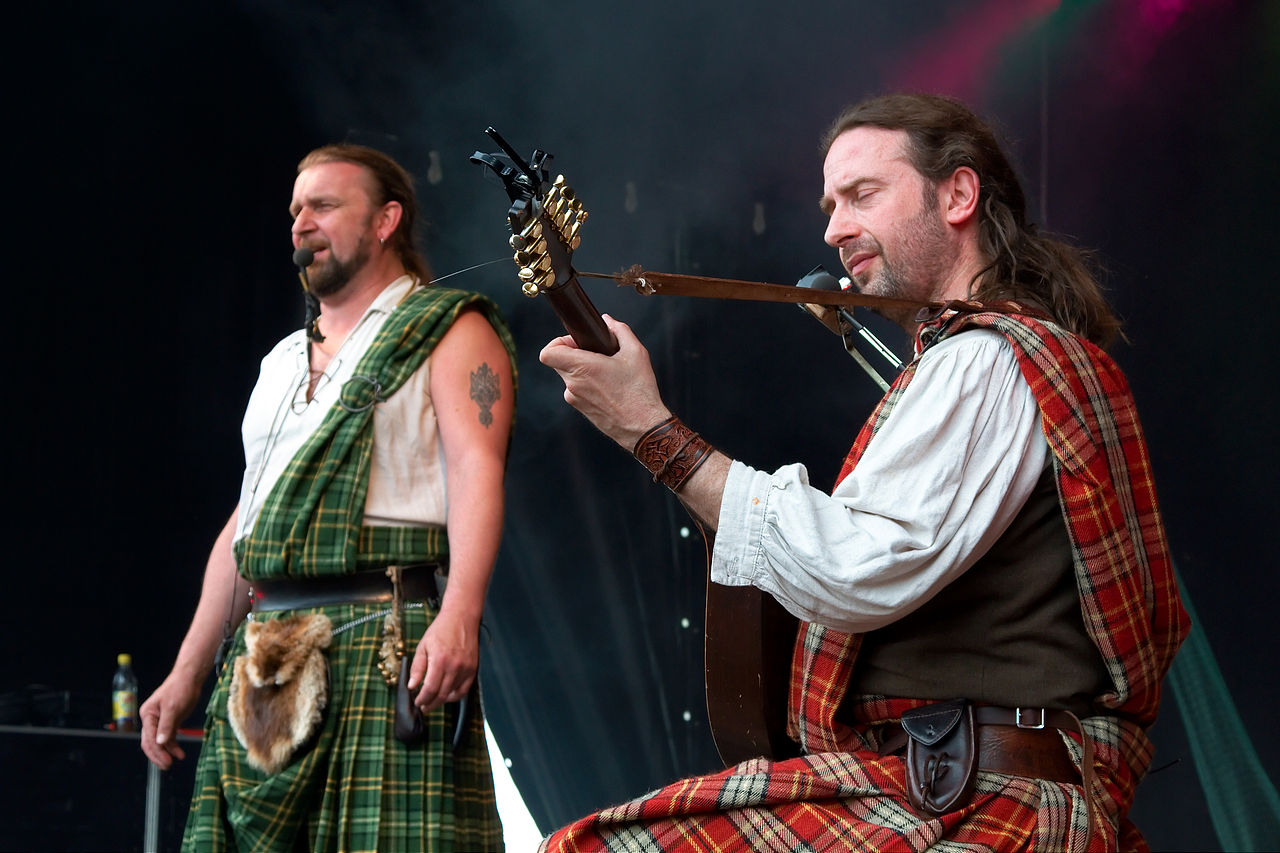
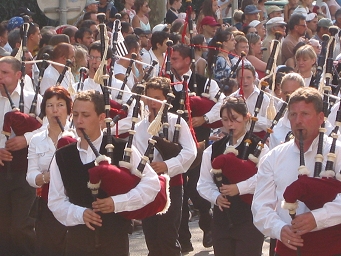
Traditional instruments include the fiddle, various bagpipes (Great Highland and smallpipes), the Irish uilleann pipes, wooden flute and tin whistle, harp, bodhrán (frame drum), accordion and concertina. Instrumentation varies by region and ensemble; for example, the Irish harp and uilleann pipes are closely associated with Ireland, while the Great Highland bagpipe is emblematic of Scotland.
History and regional styles
These musical forms evolved from rural, oral traditions and adapted over centuries under social and political change. Regional languages and songs — Irish and Scottish Gaelic, Breton, Welsh, Galician — have preserved local repertoires. Each area developed distinct repertoire, ornamentation and dance customs even as melodies and tunes migrated between communities.
Modern revival and influence
From the late 19th and 20th centuries onward there were conscious revival movements that collected, notated and popularized traditional music. Festivals, recordings and cross-cultural collaborations have led to contemporary fusion genres that blend Celtic elements with rock, jazz, classical and world music. Celtic sounds now appear in film scores, global folk scenes and popular performance circuits.
Uses and cultural significance
Celtic music remains central to dance, social gatherings, ceremonies and expressions of regional identity. It supports community dances (ceilidhs), competitions, teaching traditions and tourism. While modern interpretations vary widely, the core traditions continue to be transmitted through families, schools and festivals.
Related articles
Author
AlegsaOnline.com Celtic music: traditions, instruments, and modern revival Leandro Alegsa
URL: https://en.alegsaonline.com/art/17924