
Charleston (dance)
A syncopated social dance that became emblematic of 1920s jazz culture, the Charleston originated in the United States and influenced later swing and vintage dance styles worldwide.
Overview
The Charleston is a lively social dance that emerged into popular culture in the early 1920s. Characterized by energetic footwork, twisting steps and a playful attitude, it is closely tied to the jazz music and social scene of the era. The dance is named for Charleston, South Carolina, and its rhythms and moves became widely known through stage and popular music of the period.
Image gallery
10 Images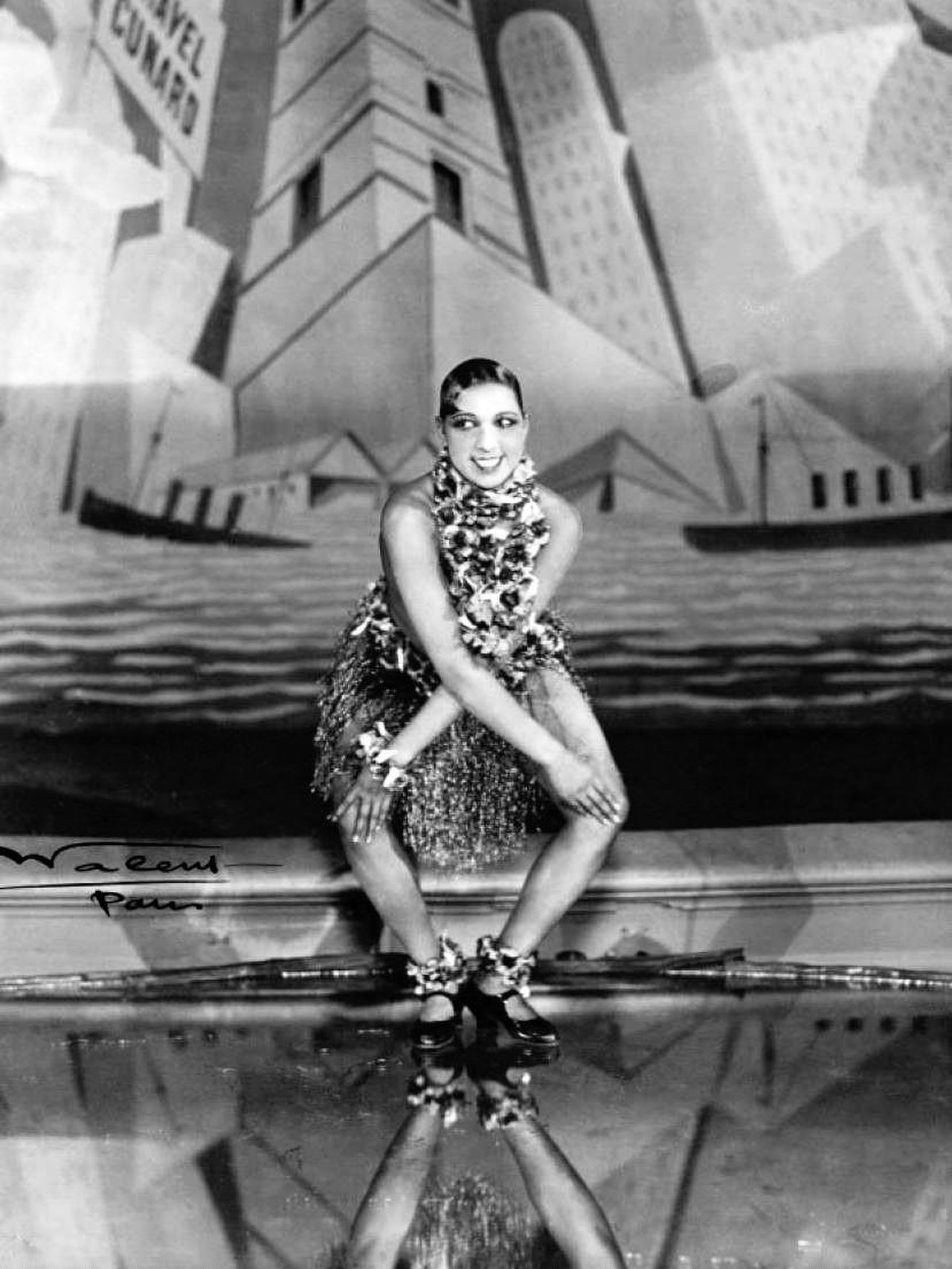


Characteristics and basic elements
At its core the Charleston emphasizes a syncopated pulse and distinctive forward-and-back kicking and swiveling of the feet. Typical features include:
- Alternating forward and backward steps often accompanied by a heel-toe action.
- Twisting or swiveling motions of the feet and hips that create a swinging look.
- Animated arm positions and accents that match the music's off‑beat phrasing.
- Both solo and partnered variations, from improvised steps to choreographed stage routines.
History and cultural context
The dance gained a major boost in 1923 when a popular tune titled "The Charleston," written for the Broadway show Running Wild, brought the rhythm into the mainstream. Performers and entertainers carried the dance beyond American clubs; in Europe, figures such as Josephine Baker helped disseminate its style during the mid-1920s. The Charleston became associated with the flapper image and the nightlife of speakeasies during Prohibition, where its exuberant and sometimes provocative movements symbolized social change.
Variations, influence and legacy
Several variants developed: the solo 1920s Charleston, the tandem or "hand-to-hand" Charleston, and partner forms woven into Lindy Hop and other swing dances. The dance has experienced periodic revivals — notably with vintage dance communities and 20th-century swing revivals — and remains a touchstone for studies of jazz-era popular culture.
Notable points
- The Charleston's syncopated rhythm reflects its roots in jazz music and African American vernacular dance.
- Its association with flappers and nightlife made it both celebrated and controversial in conservative circles of the 1920s.
- Today it is taught in historical-dance workshops and continues to appear in film, theatre and social dance events.
Questions and answers
Q: What is the Charleston?
A: The Charleston is a dance that became popular in the 1920s.
Q: Why is it called the Charleston?
A: It is named after the city of Charleston, South Carolina.
Q: What made the Charleston popular?
A: A song called The Charleston, composed in 1923 made it popular. This song was part of the Broadway musical Running Wild.
Q: Who made the Charleston popular in Europe?
A: Josephine Baker made the Charleston popular in Europe, starting in 1925.
Q: Who danced the Charleston in Speakeasy bars?
A: Flappers danced the Charleston in Speakeasy bars.
Q: Why was dancing Charleston seen as provocative?
A: Dancing Charleston was seen as provocative as it was associated with Flappers who danced it to mock themselves about the prohibition of alcohol, which was in force in the US, in the 1920s.
Q: What was the prohibition in the US in the 1920s?
A: The prohibition was a law that banned the manufacture, sale, and transportation of alcohol in the US in the 1920s.
Related articles
Author
AlegsaOnline.com Charleston (dance) Leandro Alegsa
URL: https://en.alegsaonline.com/art/18788