
Causeway: Raised roadways and rail links across water and wetlands
A causeway is a raised road or railway across water, marsh, or low ground. This article explains types, construction, history, uses, environmental effects, and how causeways differ from bridges and levees.
A causeway is a raised embankment, road or track built across low-lying terrain such as tidal flats, shallow water, or marshland to provide a stable route for people, vehicles or trains. In simple form it is an elevated fill of earth, rock or other material that keeps a carriageway above surrounding water or soft ground. Some causeways are crossable only at low tide and may be submerged when the tide rises.
Image gallery
10 Images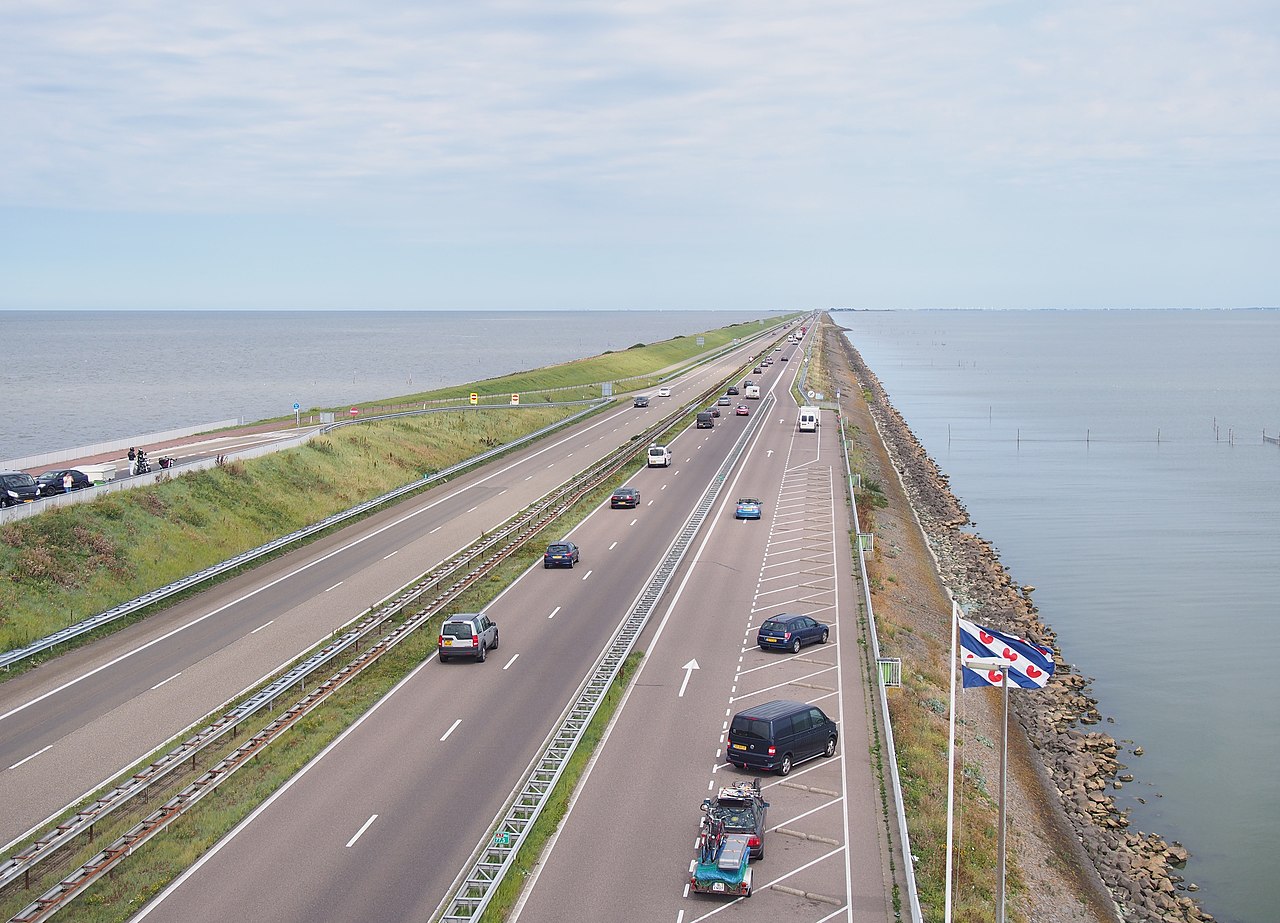


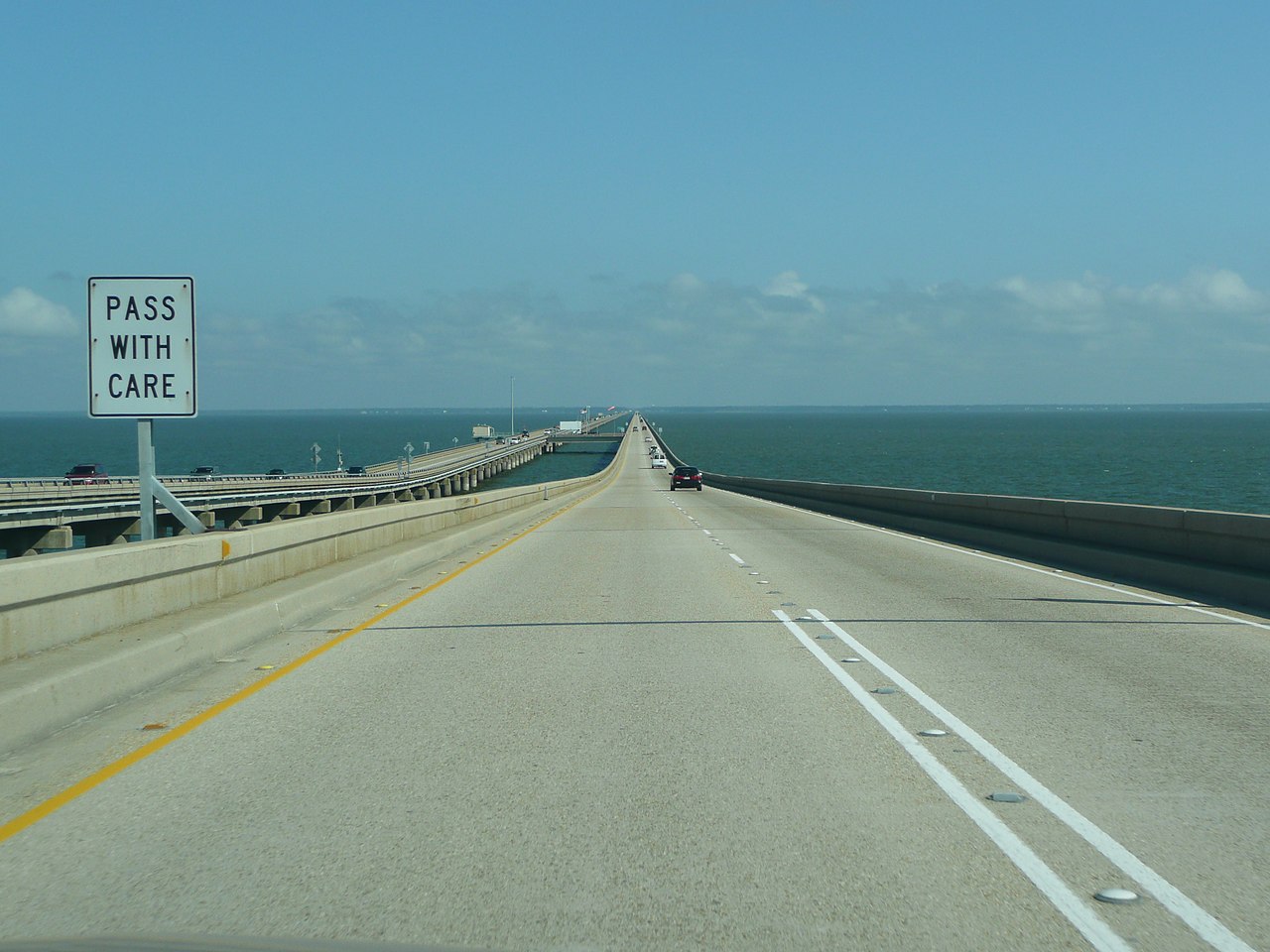

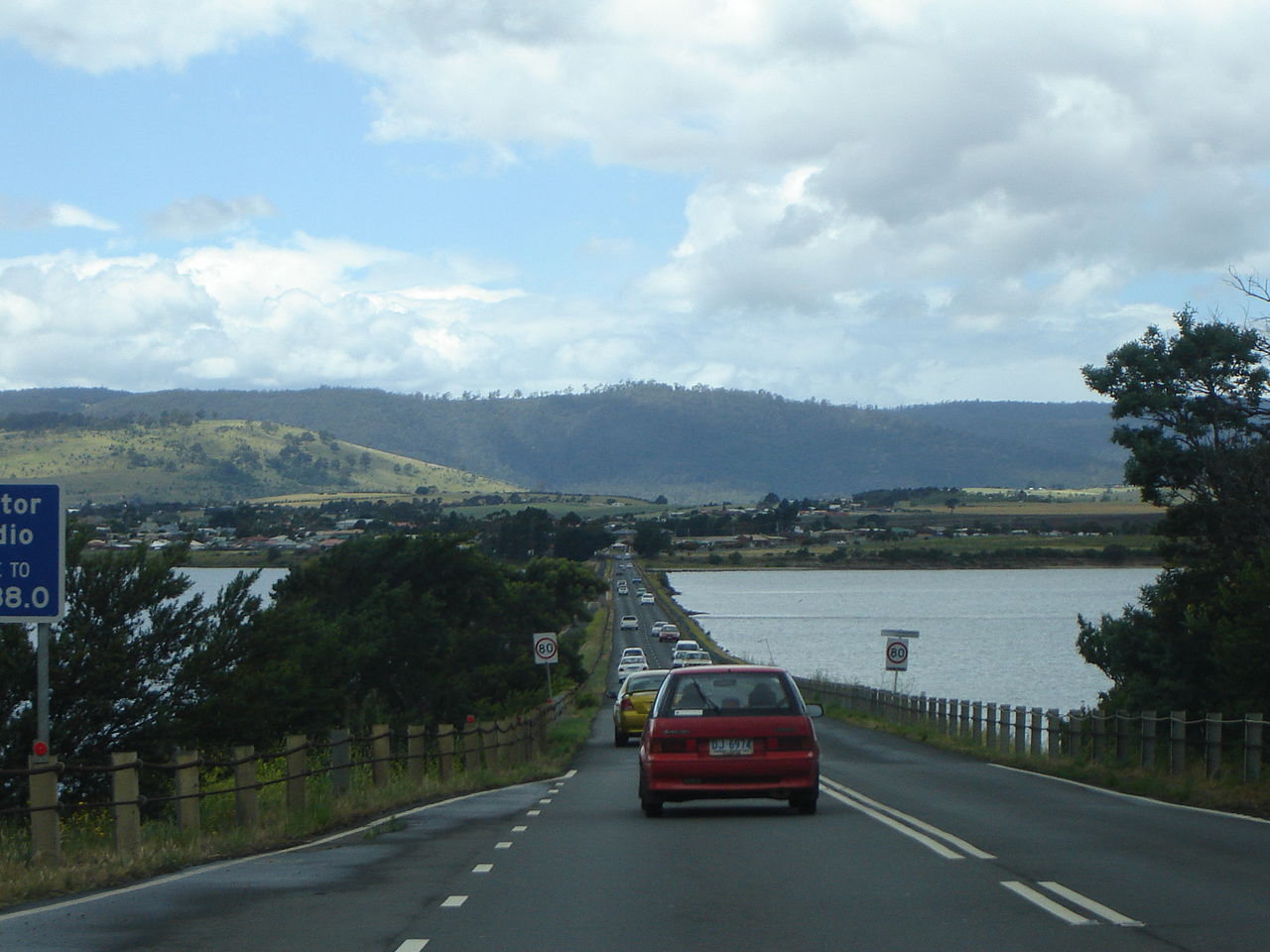


Types and construction
Engineers build causeways in several ways depending on site conditions and purpose. Common approaches include:
- Solid embankment: compacted earth or rock that forms a continuous raised platform.
- Permeable fill with culverts: embankments that include culverts, pipes or bridges to allow water to flow and reduce hydraulic impact.
- Pontoon or floating causeways: modular floating sections used where traditional fill would be impractical.
- Integrated structures: combinations of short bridge spans and embankments to balance cost and environmental needs.
Materials often include rock, gravel, concrete and geotextiles. Design must consider settlement, scour, wave action, and the need for drainage or fish passage.
Origins, history and notable examples
Raised roads and trackways have ancient roots in regions where wetlands and tidal zones obstructed travel. Over centuries, societies have built causeways for commerce, military movement and settlement access. Modern civil engineering has adapted these basic principles to larger-scale projects, while tidal causeways that are periodically submerged remain a distinctive historic form. Many famous approaches to islands and coastal settlements illustrate the range from simple stone causeways to engineered transport corridors.
Causeways play a vital role in transport networks by linking islands to mainlands, providing direct routes across marshes for roads or rail, and sometimes serving as part of coastal defenses. They are valuable for reducing travel time and enabling economic activity, but their presence can also alter tides, sediment patterns and habitats.
Because causeways are often built across sensitive environments, planners balance benefits and impacts by using bridges, culverts, or raised spans to maintain natural water flow. They are also distinguished from related structures: a bridge spans a gap with supported open space beneath, a levee is primarily a flood-control wall, and a viaduct is a long series of bridges often spanning dry valleys or urban areas.
For a concise definition see road or railway, for context on aquatic crossings see water and for considerations in wetland landscapes see marsh.
Related articles
Author
AlegsaOnline.com Causeway: Raised roadways and rail links across water and wetlands Leandro Alegsa
URL: https://en.alegsaonline.com/art/17708