
Catherine of Braganza, Queen Consort of Charles II
Portuguese infanta Catherine of Braganza (1638–1705) was queen consort to Charles II of England, Scotland and Ireland. Her marriage shaped Anglo‑Portuguese ties, brought colonial ports as dowry and influenced English court life.
Catherine of Braganza (25 November 1638 – 31 December 1705) was a Portuguese princess who became queen consort to King Charles II. Born the daughter of King John IV of Portugal and Luisa de Guzmán, she belonged to the House of Braganza and is often referred to by the Portuguese form Catarina de Bragança. Her marriage in 1662 was arranged as a dynastic alliance that strengthened ties between Portugal and the Stuart monarchy.
Image gallery
10 Images



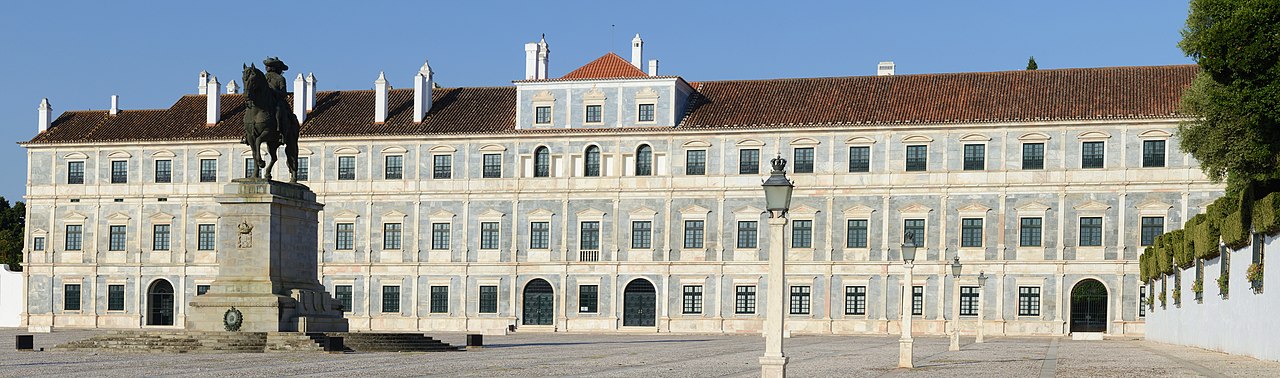


Background and early life
Catherine grew up in a royal household newly restored to power after Portuguese independence from Spain. As an infanta, her upbringing combined formal Catholic piety with the education expected of a seventeenth‑century princess: languages, court etiquette and diplomatic awareness. Her family saw marriage to an English king as a way to secure international recognition and support for Portugal.
Marriage, dowry and political role
The marriage brought a substantial dowry and territorial concessions important to English interests. Most notably, Catherine's marriage settlement included the ports of Tangier and Bombay, which were transferred to English control and later shaped colonial strategy. Her presence at court carried diplomatic significance throughout Charles II's reign, even though she faced religious and political limitations as a Roman Catholic queen in a largely Protestant realm.
Key elements of the marriage settlement and its consequences include:
- Territorial and commercial gains for England.
- A large monetary dowry that supported the crown's finances.
- Longer‑term cultural and political links between England and Portugal.
Life at the English court and later years
Catherine served as queen consort until Charles II's death in 1685 and remained an important figure at court. She was widely remembered for introducing and popularizing aspects of Portuguese court culture, most famously the social custom of drinking tea, which became fashionable at the English court. Despite her high rank, she bore no surviving children, a fact that affected succession politics and court factions.
Following years in England, Catherine ultimately returned to Portugal late in life, retiring from active court politics. She maintained a reputation for personal dignity and charity, and she continued to be associated with Catholic devotion. Her death in 1705 closed a life that linked Iberian and British royal houses and left a mixed legacy of diplomatic, cultural and colonial consequences.
Legacy and notable facts
Catherine's marriage is often cited as an example of how dynastic unions produced tangible geopolitical outcomes in the early modern period. Her dowry and the acquisition of overseas ports had repercussions for trade and imperial expansion. She also remains a cultural figure in Britain and Portugal: credited with helping popularize tea drinking at court and remembered in histories of Anglo‑Portuguese relations.
For further reading on her life and context, consult contemporary accounts and modern histories of the Stuart court and Anglo‑Portuguese diplomacy, which detail both the personal and political dimensions of her career as queen of England, Scotland and Ireland.
Related articles
Author
AlegsaOnline.com Catherine of Braganza, Queen Consort of Charles II Leandro Alegsa
URL: https://en.alegsaonline.com/art/17627