
Catch Me If You Can — Frank Abagnale’s memoir and its adaptations
Overview of the 1980 memoir Catch Me If You Can by Frank Abagnale, its claims about his years as a con artist, the book’s authorship and rights, the 2002 film adaptation, and subsequent reception and controversy.
Overview
Catch Me If You Can is a 1980 memoir attributed to Frank Abagnale Jr., written with assistance from Stan Redding. The book recounts a period in Abagnale’s youth during which he describes impersonating professionals, forging checks and eluding capture. It presents a fast-paced narrative of confidence schemes carried out over several years and across international borders.
Image gallery
3 Images

Content and claims
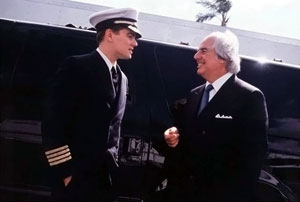
The memoir details a range of impersonations: Abagnale portrays himself as having worked as an airline pilot, a physician, a lawyer and a college professor, among other roles. Central to the story is the use of fraudulent checks and forged documents to finance travel and lifestyle. Abagnale has said many episodes occurred when he was a teenager; however, some aspects of his account have been questioned or remain difficult to independently verify.
Authorship and rights
Abagnale collaborated with writer Stan Redding on the book’s text and, according to accounts, sold the motion-picture rights before the memoir was published. The sale of rights and the involvement of co-authors or collaborators is a common practice when adapting personal narratives for broader audiences and for film development. For background on the author see Frank Abagnale and on the rights transaction see film rights.
Film adaptation
The story reached wider popular awareness when it was adapted as a feature film released in 2002. The movie dramatizes the memoir’s episodes and changes or compresses timelines and characters for cinematic effect; such alterations are typical of adaptations. For details on the motion picture see the film entry at Catch Me If You Can (film).
Reception and legacy
The book and its screen adaptation helped create a lasting public image of Abagnale as a charming and elusive con artist. Journalists and researchers have since examined the memoir critically, noting discrepancies and disputed claims while acknowledging its influence on popular perceptions of confidence crime. Abagnale later worked with law enforcement and security organizations, and his story continues to be cited in discussions about fraud prevention and identity deception.
Notable points
- The memoir mixes first-person recollection with narrative shaping common to autobiographical works.
- Some incidents are widely reported and often repeated; other episodes have been challenged by researchers.
- Adaptation to film broadened the reach of the story but also introduced dramatization choices that differ from the book’s presentation.
Related articles
Author
AlegsaOnline.com Catch Me If You Can — Frank Abagnale’s memoir and its adaptations Leandro Alegsa
URL: https://en.alegsaonline.com/art/17599