
Catalan independence movement
A political and social movement advocating independence for Catalonia (and related Catalan-speaking territories), based on language, history and regional institutions, notable for mass demonstrations and contested referendums.
Overview
The Catalan independence movement is a political and social current that seeks separation of Catalonia from the Spanish state and, in some definitions, greater autonomy or independence for the broader Catalan-speaking territories. Supporters argue that Catalonia is a distinct nation because of its language, culture, legal traditions and historical institutions. The movement ranges from moderate federalists and autonomists to parties and organizations openly calling for unilateral independence.
Geographically and culturally the debate centers on Catalonia, but some advocates refer to the wider idea of the Catalan countries — a cultural-linguistic concept that crosses the modern state border into parts of southern France and other areas — including terrain on the French side historically linked to Catalonia (France).
Image gallery
10 Images




Historical background
Roots of modern Catalan nationalism emerged in the 19th century alongside industrialization and the revival of regional languages and institutions. The Catalan language (Catalan) and distinct local customs strengthened a sense of national identity. Under the dictatorship of Francisco Franco in the 20th century, Catalan political institutions were suppressed and public use of the language was restricted, experiences that shaped later demands for cultural and political recognition.
Organization, symbols and actors
The movement includes political parties, civic platforms, grassroots organizations and international advocacy groups. Prominent symbols include the blue-and-white or red-and-yellow Estelada flags, adopted by many independence supporters. Major political actors have included regional parties, municipal coalitions and nonpartisan citizen groups that organize demonstrations and campaigns.
- Political parties and coalitions that support independence or referendums.
- Civic platforms and mass mobilizations in urban and rural areas.
- Use of cultural symbols, language policy and local institutions to advance goals.
Recent developments and key events
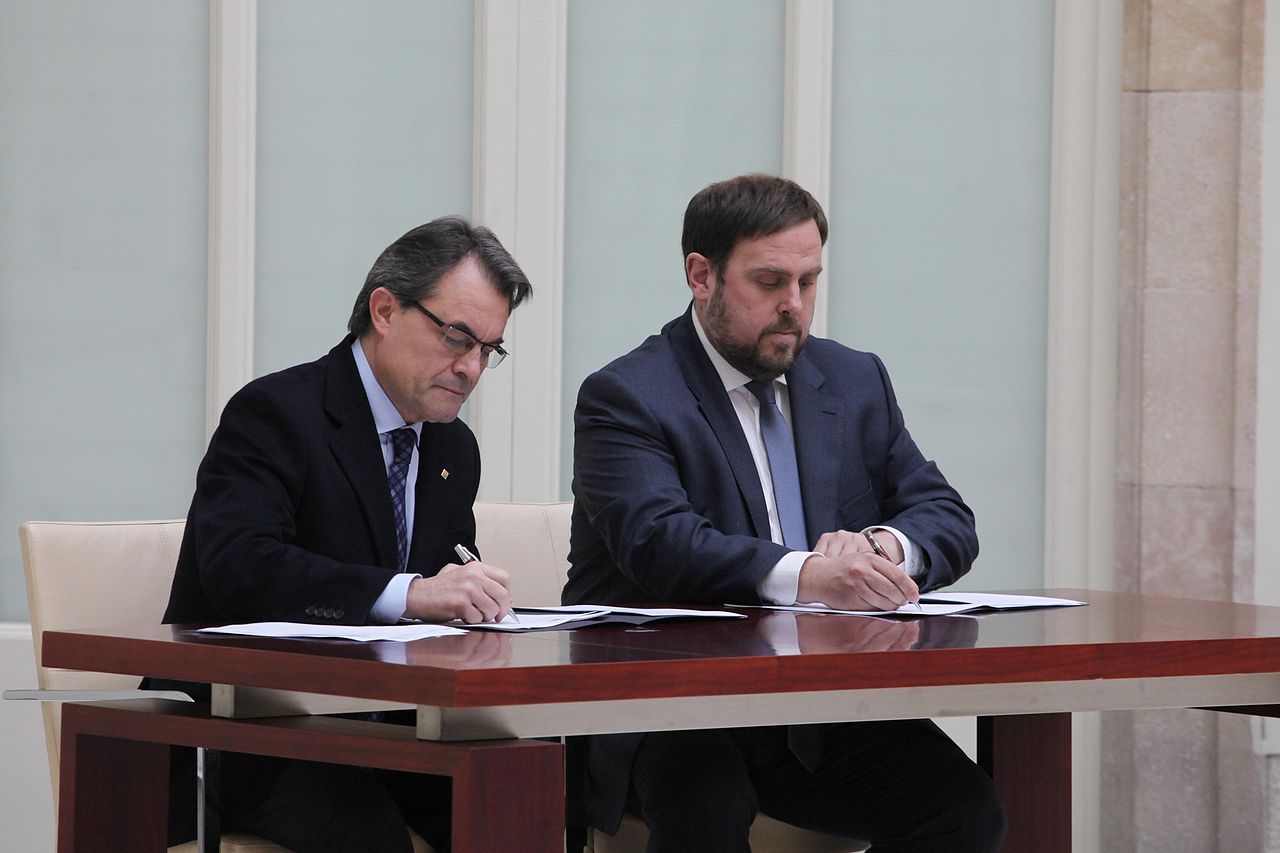
In the 21st century the movement achieved renewed visibility through large public demonstrations and political initiatives. Mass rallies in the regional capital of Barcelona and other cities drew broad attention. Regional authorities have at times sought referendums or votes on independence; these actions have prompted legal and political confrontation with the Spanish central government, judicial rulings, and significant public debate. A high-profile disputed referendum in 2017 and subsequent court rulings and prosecutions marked a deep phase of crisis between Catalan institutions and Madrid.
Impacts, debates and distinctions
Support for independence has varied over time across polls, elections and social groups. Debates center on democratic legitimacy, constitutional law, economic implications, and minority rights within Catalonia. While many supporters emphasize self-determination and protection of the Catalan language, opponents point to legal unity and the benefits of remaining within Spain. The movement is heterogeneous and includes a range of strategies from negotiation within Spain to unilateral actions.
For broader context, readers may consult political analyses, legal commentary, and cultural studies that examine how identity, institutions and historical memory shape demands for independence. Representative sources and further reading can be found through general guides and academic overviews on the subject (Catalonia, language, Catalan countries, France, Franco era, Barcelona).
Related articles
Author
AlegsaOnline.com Catalan independence movement Leandro Alegsa
URL: https://en.alegsaonline.com/art/17570
Sources
- catalannewsagency.com : catalannewsagency.com