
Center-right politics: principles, history, and contemporary forms
Center-right denotes political positions that lean toward conservative or market-oriented policies while often accepting moderate social programs and pragmatic governance.
Center-right politics describes a broad set of political positions that lean toward conservative or market-oriented solutions while remaining distinct from the farther right. The term is used to indicate relative placement on the political spectrum and can cover parties or individuals who combine fiscal restraint, support for private enterprise, and a preference for gradual social change. For a basic orientation see political spectrum.
Image gallery
5 Images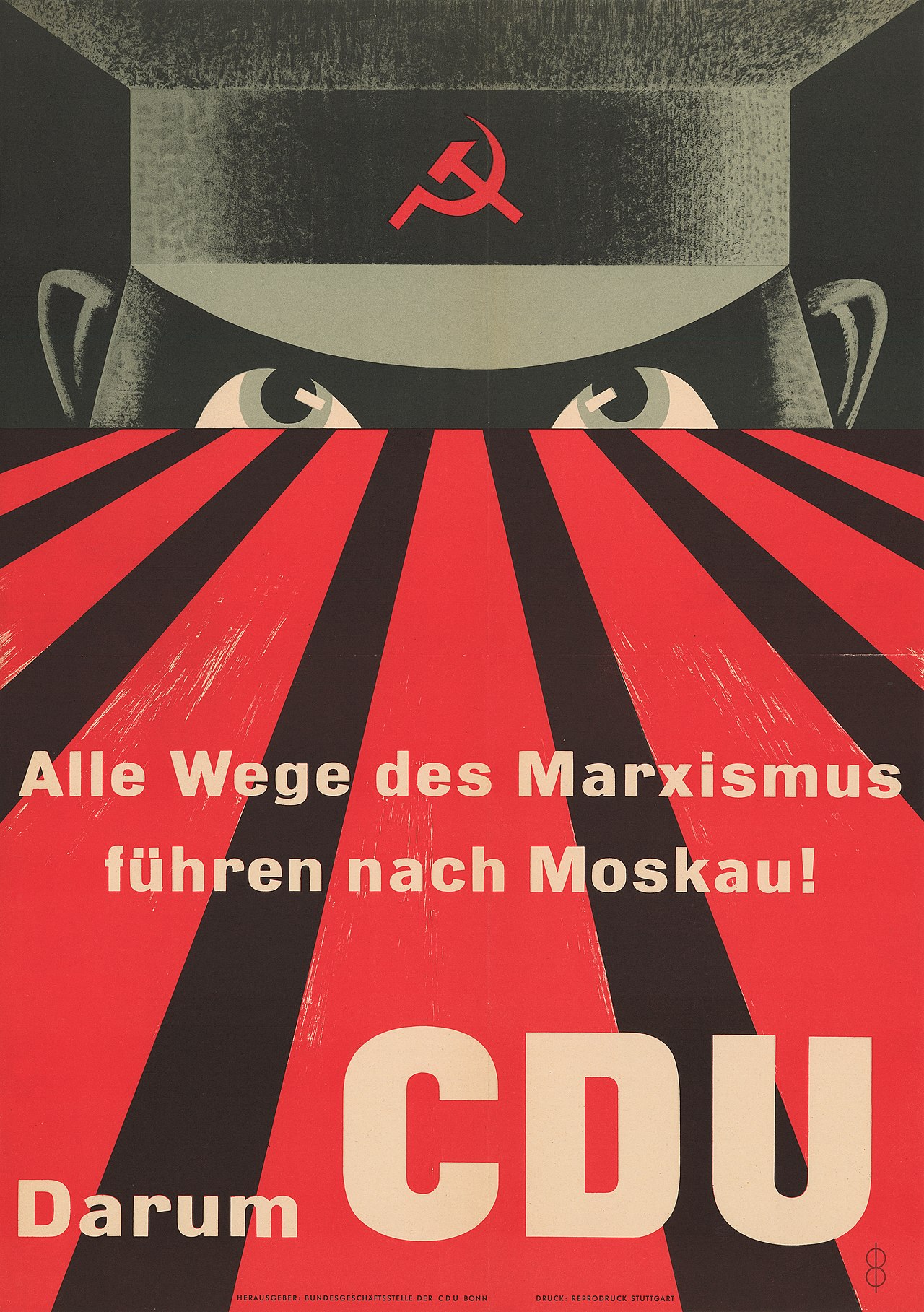


Key characteristics
- Economic stance: generally favors free markets, private property and lower taxation, but often accepts a social safety net and some state intervention to stabilize the economy.
- Social policy: varies from socially conservative to moderate liberal; center-right actors commonly prioritize social stability and incremental reform rather than rapid transformation.
- Institutional approach: emphasis on rule of law, strong public institutions, and pragmatic governance rather than ideological purity.
- Positioning: typically sits to the right of center on the political axis and can overlap with both mainstream right-wing and moderate conservative currents (see right-wing politics).
History and development
The center-right emerged as a recognizable category during the nineteenth and twentieth centuries as political systems diversified and parties sought broad electoral coalitions. In Europe, Christian democratic and conservative parties adapted to democratic politics by combining market-friendly policies with support for welfare provisions. In other countries, center-right groupings have shifted over time in response to economic crises, social movements, and changes in party leadership.
Examples and public role
Center-right forces appear in many democratic systems and often occupy a governing or coalition-making role. Examples range from moderate conservative factions within larger parties to distinct formations such as the Red Tories or historically the Rockefeller Republicans. Contemporary labels vary by country and era, and comparisons are often drawn with actors on the left such as social democrats or liberal parties (see left-wing politics). Specific subgroups are sometimes named by tradition or policy emphasis, for instance Rockefeller Republicans in the United States.
Distinctions and debates
Scholars and commentators debate where the center-right ends and the right begins. Key points of contention include the extent of market liberalization, the role of the state in social welfare, immigration policy, and cultural issues. The label is descriptive rather than prescriptive: it helps explain tendencies within parties and movements but does not imply uniform agreement on every issue.
In practice, center-right politics functions as a flexible umbrella that permits alliances across a spectrum of conservative and moderate positions. Its durability in plural democracies rests on the ability to reconcile economic efficiency with social cohesion and to adapt to shifting public priorities.
Questions and answers
Q: What is center-right politics?
A: Center-right politics are a set of political opinions that generally align with right-wing politics, although there are some deviations from this alignment.
Q: Do center-right politics always agree with right-wing politics?
A: They usually agree with right-wing politics, but not always.
Q: Are people who support left-wing politics more left-wing than center-right politics?
A: Yes, people who support left-wing politics are generally more left-wing than those who support center-right politics.
Q: What are some examples of people who support center-right politics?
A: Some examples of people who support center-right politics include Rockefeller Republicans, Red Tories, and conservatives who are pro-life.
Q: What is the difference between center-right politics and right-wing politics?
A: Center-right politics are a set of political opinions that align with right-wing politics, while right-wing politics are a more extreme version of center-right politics.
Q: Can someone be a center-right supporter while disagreeing with some right-wing policies?
A: Yes, it is possible for someone to support center-right politics while disagreeing with some right-wing policies.
Q: Is center-right politics a widely accepted political orientation?
A: Yes, center-right politics is a widely accepted political orientation that is typically seen as a viable alternative to left-wing politics.
Related articles
Author
AlegsaOnline.com Center-right politics: principles, history, and contemporary forms Leandro Alegsa
URL: https://en.alegsaonline.com/art/17981