
Castries Quarter, Saint Lucia
Castries Quarter is the administrative district centered on the national capital, Castries. It is the island’s commercial and transport hub, with a busy harbor, civic institutions, historic sites and tourism facilities.
Castries Quarter is one of the administrative districts on the island nation of Saint Lucia. Its principal urban centre and the national capital is the city of Castries, which functions as the island’s chief port and administrative hub. The quarter combines a historic town core with surrounding residential suburbs and low coastal plains backed by green hills.
Image gallery
3 Images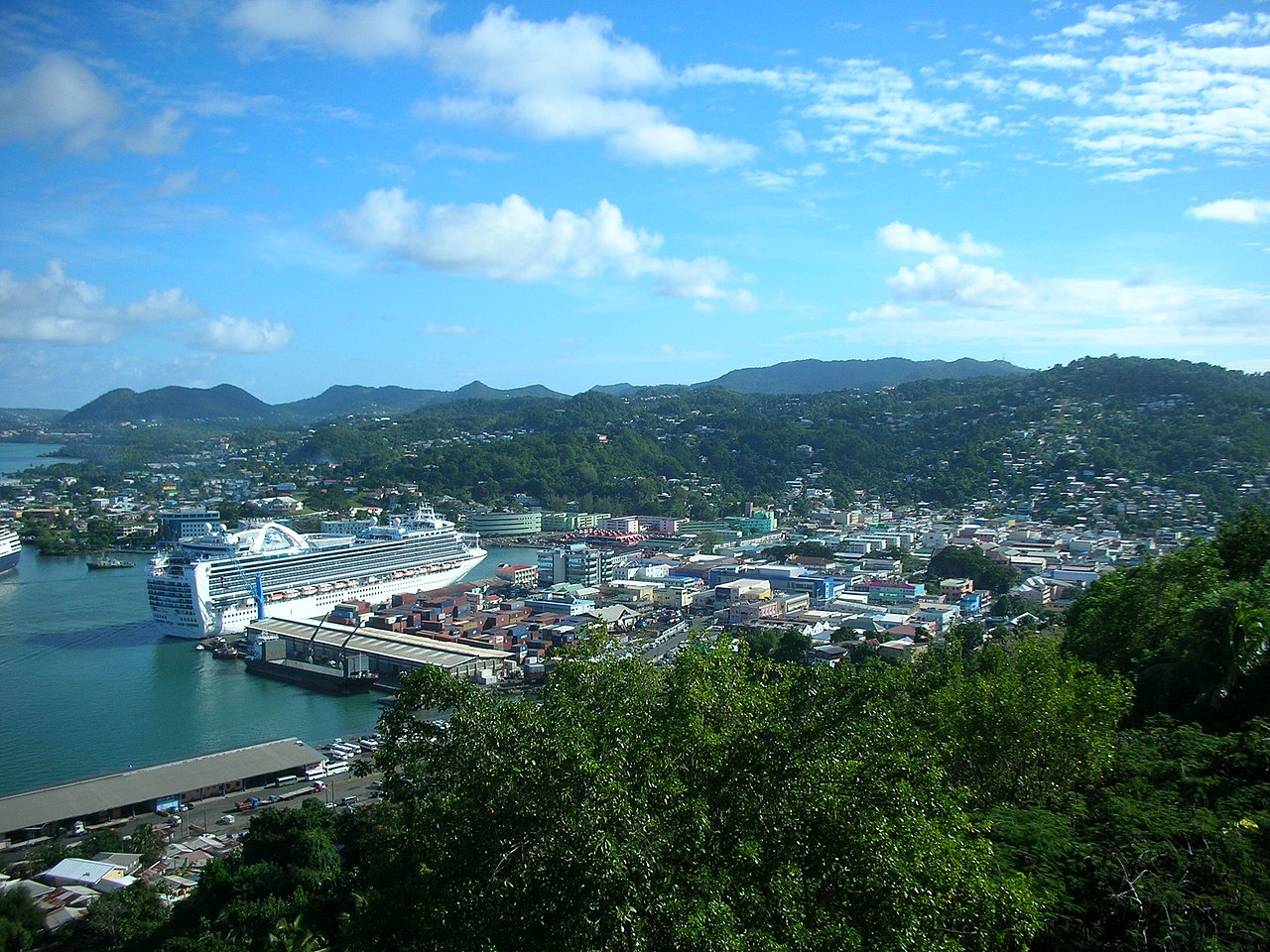


Geography and layout
The quarter occupies a coastal position with a natural harbour that has shaped its role in trade and transport. The city and its neighborhoods spread along a narrow plain; higher ground and small ridges form the backdrop. Local roads connect the port facilities, public buildings and markets to residential areas and nearby airport and ferry terminals.
History and development
Castries developed as a strategic port during the colonial era and its fortunes have reflected broader regional shifts in commerce and governance. The town’s fabric shows layers of colonial planning, commercial reconstruction and modern infrastructure, with civic buildings and plazas that recall its administrative role.
Economy, transport and services
The quarter is the country’s commercial heart: government ministries, service businesses, shops and wholesale traders concentrate here. The harbour accommodates cargo ships and cruise calls, and local ferry and inter-island services operate from nearby terminals. A smaller domestic airport serves short regional flights while the main international airport lies farther south on the island.
Culture and notable places
Castries Quarter contains a number of public and cultural landmarks that attract both residents and visitors. Typical highlights include:
- the central market and waterfront precincts;
- historic churches and public squares named for local figures;
- government buildings and museums reflecting national history;
- nearby scenic viewpoints and colonial-era hill sites overlooking the harbour.
As the seat of government and the island’s main gateway, Castries Quarter plays an outsized role in Saint Lucia’s economy, administration and tourism, serving as the primary point of arrival for many visitors and the central node for trade and public services.
Tags
Related articles
Author
AlegsaOnline.com Castries Quarter, Saint Lucia Leandro Alegsa
URL: https://en.alegsaonline.com/art/17545