
Aix-en-Ergny — small commune in Pas-de-Calais, Hauts-de-France
Aix-en-Ergny is a small rural commune in the Pas-de-Calais department of northern France. This article summarizes its location, character, local administration, history and typical features.
Overview
Aix-en-Ergny is a small rural commune in the Pas-de-Calais department, located in the modern administrative region Hauts-de-France. Historically the area formed part of the former region Nord-Pas-de-Calais. The commune lies in the north of the country and is typical of the low-density farming communities found across northern France.
Image gallery
1 Image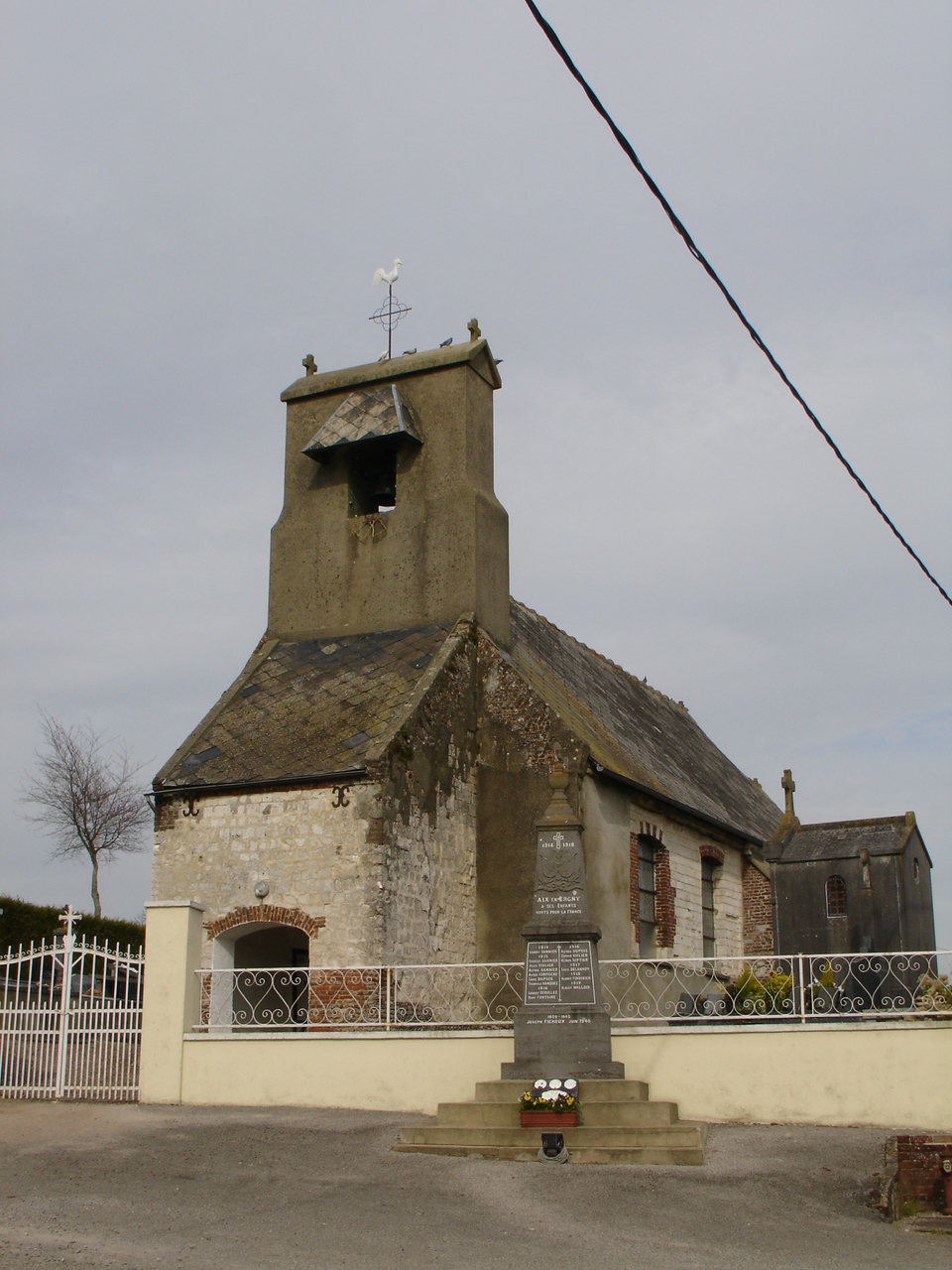
Character and landscape
Aix-en-Ergny is characterised by open fields, hedgerows and a compact village core with traditional stone or brick houses. The settlement pattern is rural: a small clustered village with scattered farmsteads and lanes linking to neighbouring communes. Local landmarks commonly include a parish church, a town hall (mairie) and agricultural buildings that reflect the area's farming economy.
Administration and community
As a French commune, Aix-en-Ergny is the lowest level of local government, administered by a mayor and municipal council. It participates in intercommunal arrangements for shared services such as waste collection, schooling and road maintenance. Communes like Aix-en-Ergny form the backbone of France's municipal system and retain responsibilities for local planning and civic life.
History and name
The village has medieval roots typical of the region. Place names beginning with "Aix" often reflect ancient associations with water or springs deriving from Latin roots, though specific historical records vary by locality. Over centuries the settlement developed around agriculture and local parish structures rather than as an urban centre.
Economy, life and attractions
The local economy is primarily agricultural, with arable crops and livestock common in the surrounding countryside. Aix-en-Ergny is not a major tourist destination, but it embodies aspects of rural heritage: local fêtes, traditional architecture and peaceful country walks attract visitors seeking a quiet, authentic experience of northern France.
Key features
- Small population and low-density settlement typical of rural communes.
- Local administration led by a mayor and municipal council.
- Agricultural landscape with village core and parish church.
- Part of wider departmental and regional structures that link to neighbouring towns and services.
For readers seeking official data, maps or administrative contacts, municipal and departmental resources provide up-to-date information and practical details about services and local events.
Related articles
Author
AlegsaOnline.com Aix-en-Ergny — small commune in Pas-de-Calais, Hauts-de-France Leandro Alegsa
URL: https://en.alegsaonline.com/art/1724