
Caromb — commune in Vaucluse, Provence-Alpes-Côte d'Azur
Caromb is a small Provençal commune in Vaucluse, southeastern France, set near the lower slopes of Mont Ventoux with a historic village core, agricultural landscape and outdoor recreation opportunities.
Overview
Caromb is a commune in the Vaucluse department of southeastern France. In 1999 it had 3,117 inhabitants; more recent counts are available from national and local demographic sources. Administratively it lies within the Provence-Alpes-Côte d'Azur region and the Vaucluse department. The settlement retains a compact historic core and is set in a rural Provençal landscape at the foot of Mont Ventoux.
Image gallery
1 Image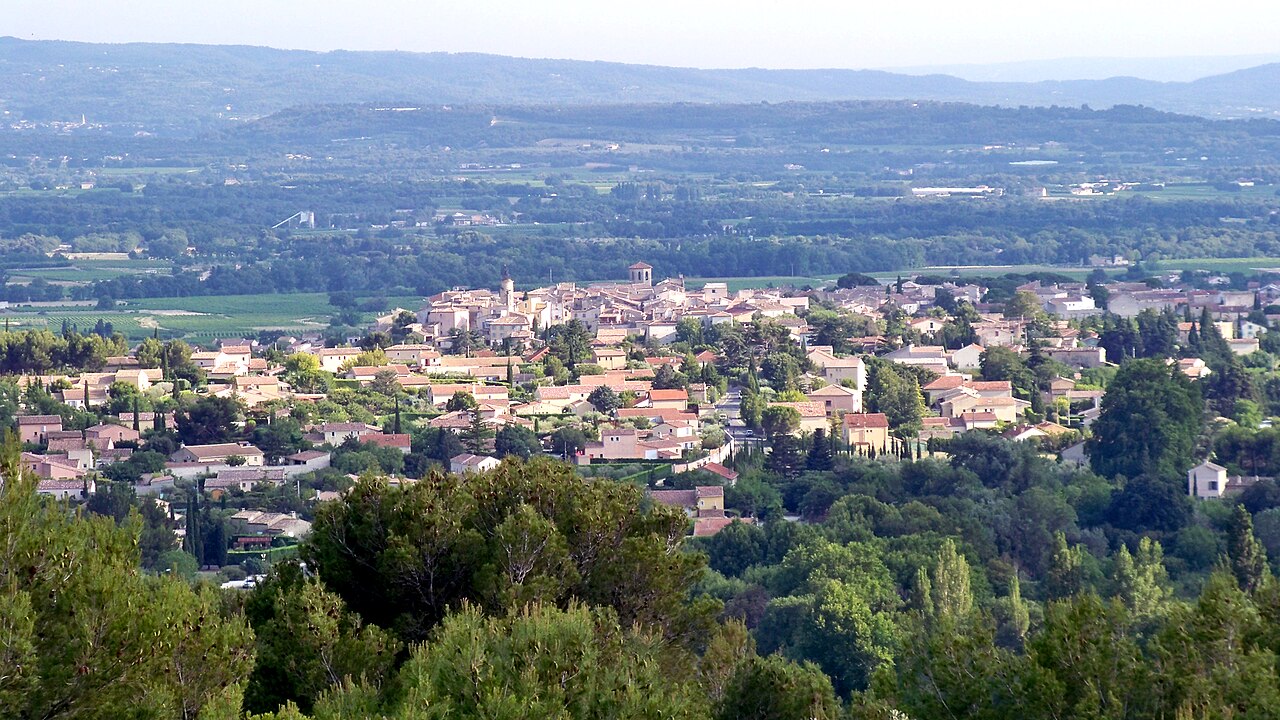
Geography and climate
Located on the lower slopes of Mont Ventoux, Caromb is surrounded by orchards, vineyards and cultivated hills. The climate is Mediterranean-influenced: generally warm, dry summers and milder, wetter winters than the inland mountains. The varied terrain offers panoramic views and access to walking and cycling routes that are popular with outdoor enthusiasts.
History and built environment
The village has medieval origins and its street pattern, stone houses and parish church reflect several centuries of rural Provençal life. The historic centre preserves traditional building materials and an intimate arrangement of lanes and small squares. Over time Caromb developed around agriculture, local markets and services for surrounding farms.
Economy and culture
Local economic activity is largely agricultural and service-oriented. Orchards and vineyards remain important alongside small businesses that serve residents and visitors. Cultural life includes Provençal festivals, weekly markets and community events that celebrate regional food, crafts and seasonal produce. Visitors can learn about local administration and services on the official commune page.
Tourism and recreation
Caromb is used as a base for outdoor recreation around Mont Ventoux: walking, cycling and nature observation. The village itself offers historic streets, local markets and occasional cultural programming. Practical visitor information and demographic details, including earlier figures such as the 1999 population report, are useful when planning a visit.
Practical information
The commune functions within the French municipal system with elected local authorities and basic public services. It is connected by regional and departmental roads to neighbouring towns and forms part of the wider community network in Vaucluse and Provence-Alpes-Côte d'Azur. For general context about the country, consult resources on France.
Related articles
Author
AlegsaOnline.com Caromb — commune in Vaucluse, Provence-Alpes-Côte d'Azur Leandro Alegsa
URL: https://en.alegsaonline.com/art/17211